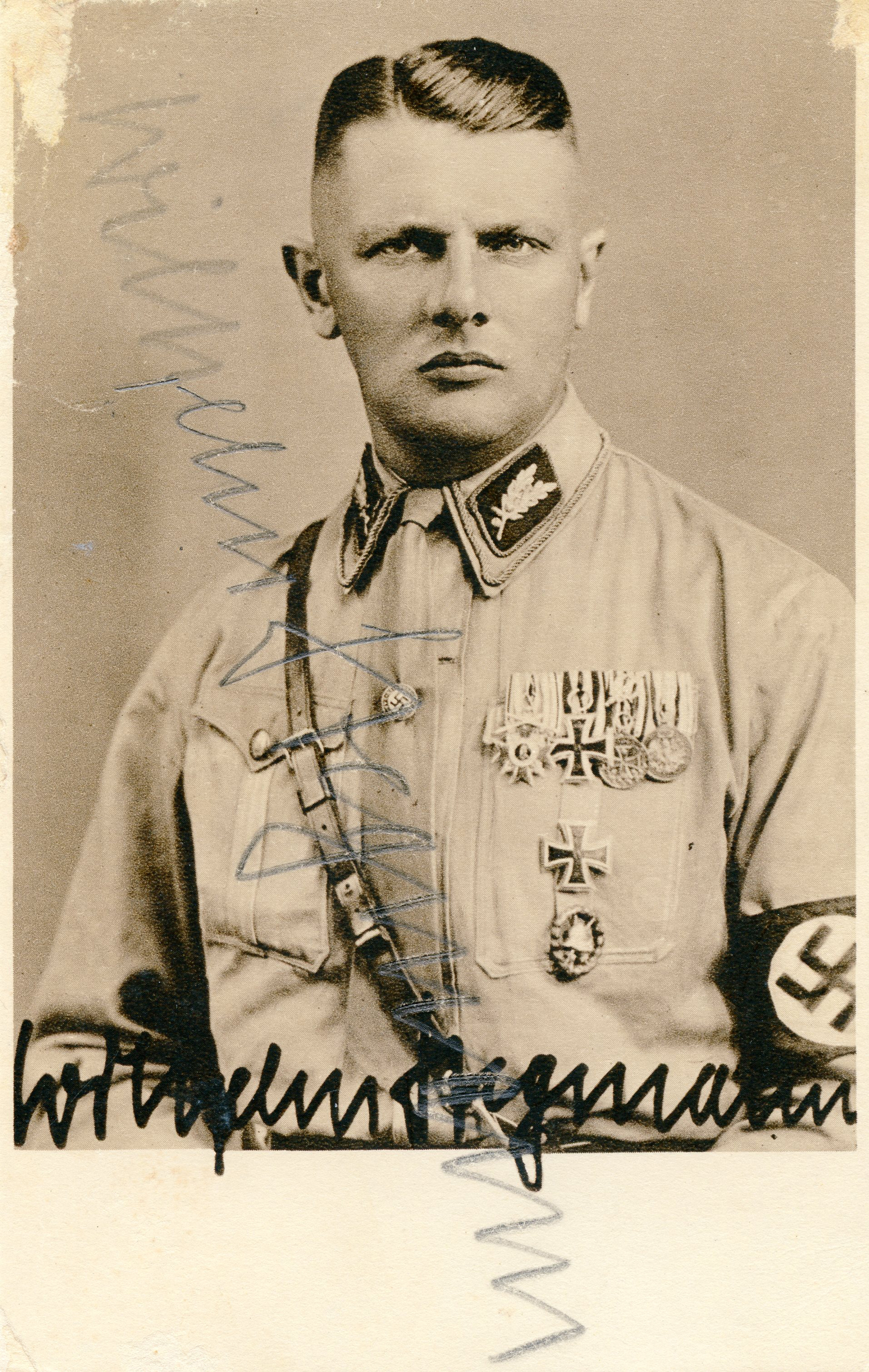
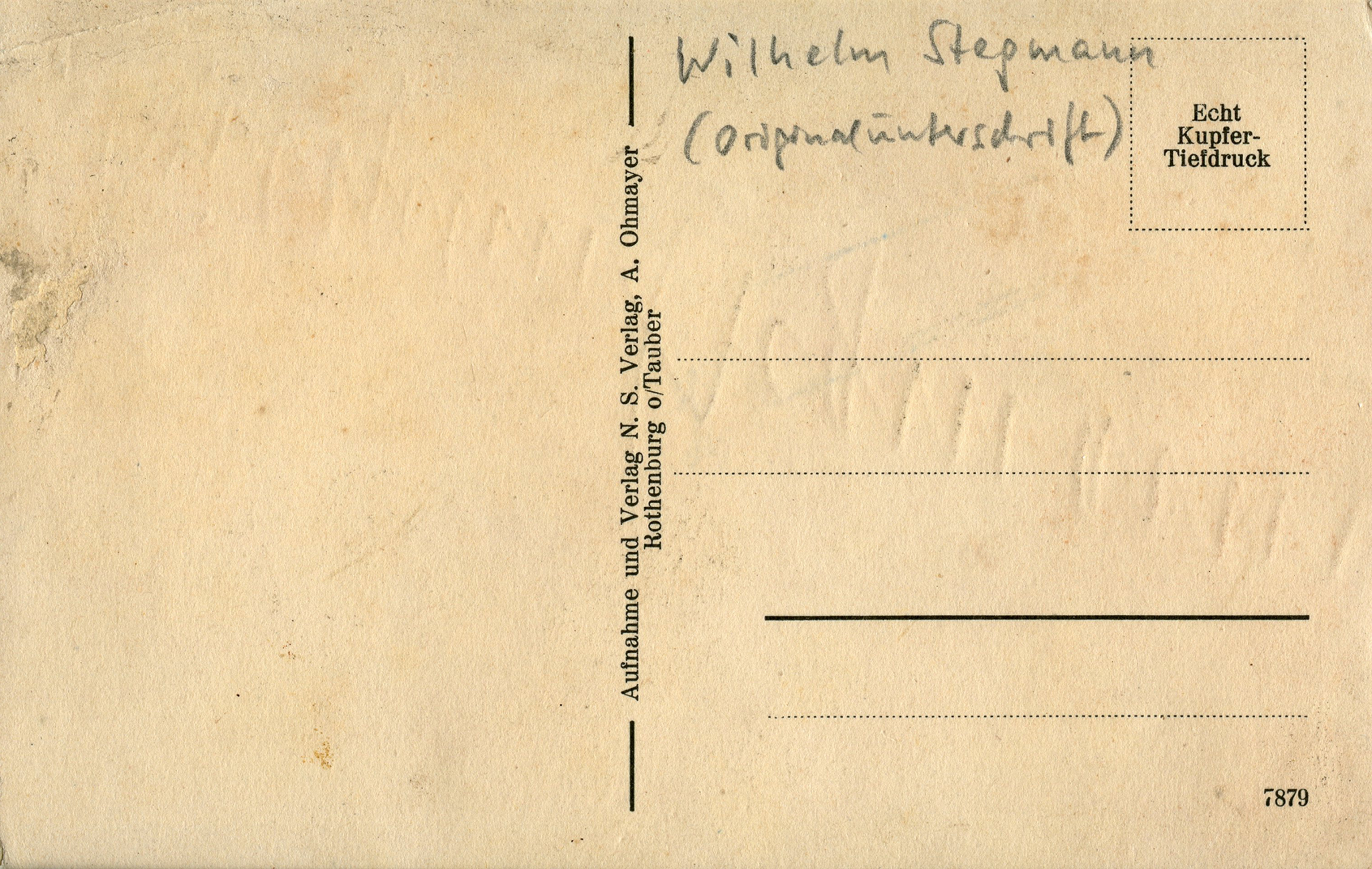
[Below: Reverse of postcard. Click to enlarge.]
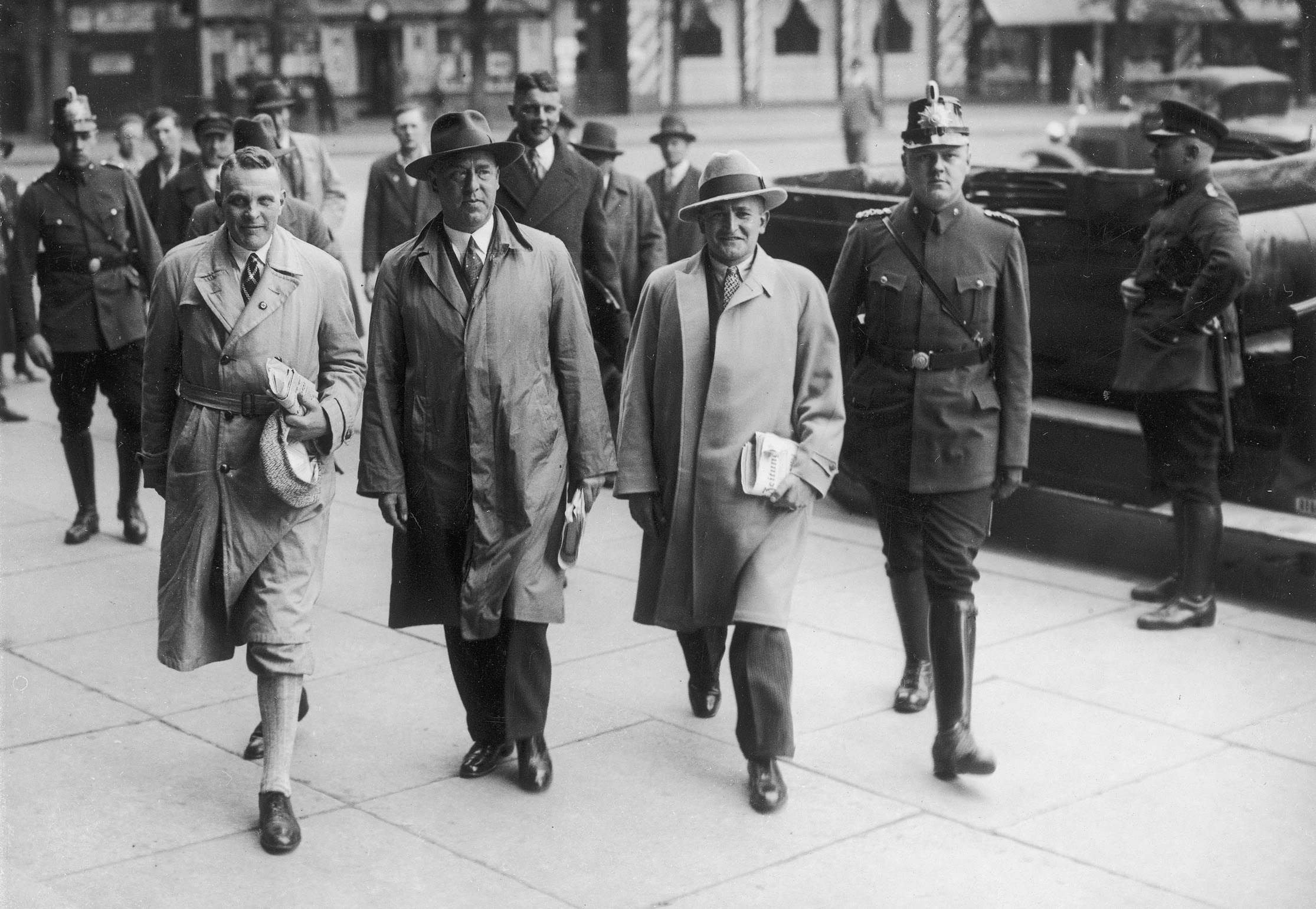
[Below: Is that Stegmann in the back, behind Strassor (2nd from left), in the dark coat. The description of this photo is: 'Photograph from the trial against the National Socialists Gregor Strasser, Wilhelm Ferdinand Stegmann, Fritz Weitzel, and Edmund Heines in Berlin, Germany in May 1932. The NSDAP (Nazi Party) members Heines (1897–1934), Strasser (1892–1934), SA-Führer Stegmann (1899–1944), and SS-Führer Weitzel (1904–1940) on their way to the Criminal Court. Uniformed officers from the Berlin police escort the defendants. The Attack on Klotz in the Reichstag (May 1932) On 12 May 1932, four Nazi deputies assaulted journalist and former party member Helmuth Klotz in the Reichstag café. Klotz had recently published a pamphlet revealing Ernst Röhm’s homosexuality, based on personal letters. The attack was led by SA leader Edmund Heines, who slapped Klotz in the face. Other deputies, including Weitzel and Stegmann, joined in by beating him with fists and a chair. Outside the café, Klotz was attacked again by a larger group of Nazi stormtroopers (Sturmabteilung, SA). The incident, which took place inside Germany's parliament, shocked the public and was widely covered in the press. It was viewed as an attack not just on a person, but on democracy and the rule of law. As a result, four Nazi deputies — Heines, Hans Krause (1897–1975), Stegmann, and Weitzel — were suspended from the Reichstag for 30 days. The trial was delayed when the accused refused to leave the chamber. On 14 May 1932, Heines, Stegmann, and Weitzel were sentenced to three months in prison for assault, while Krause was acquitted due to lack of evidence. Although Krause had also been suspected, he was not charged. Instead, Gregor Strasser was arrested and put on trial, accused of inciting the violence. However, he was acquitted due to insufficient evidence. Despite national outrage over the attack and the revelations about Nazi violence and internal scandals, including the Röhm scandal, the Nazi Party’s popularity was not significantly affected in the July 1932 election.' Click to enlarge.]
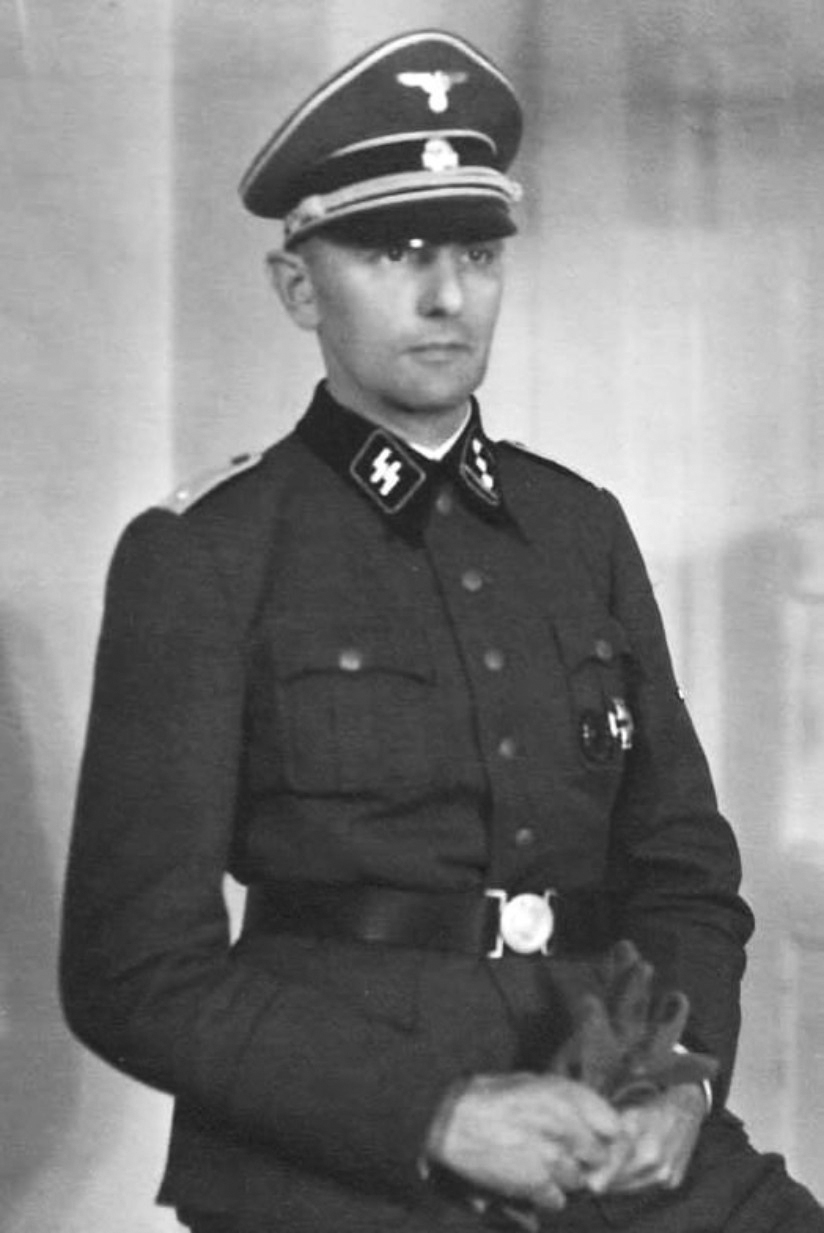
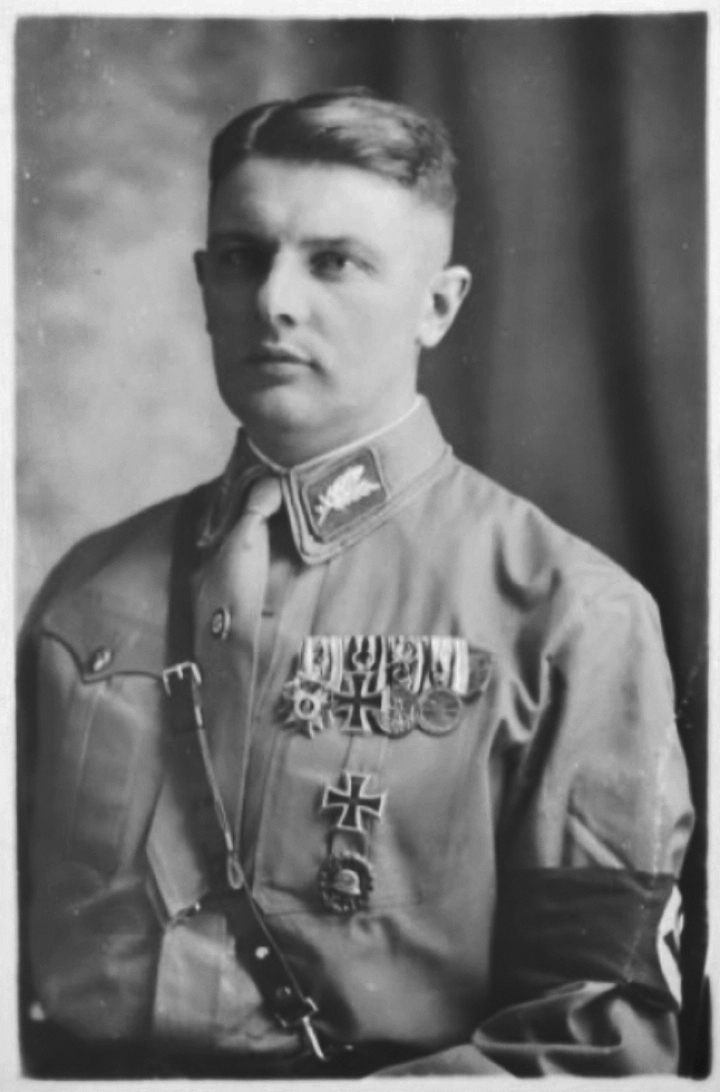
[Below: Wilhelm Stegmann. Click to enlarge.]