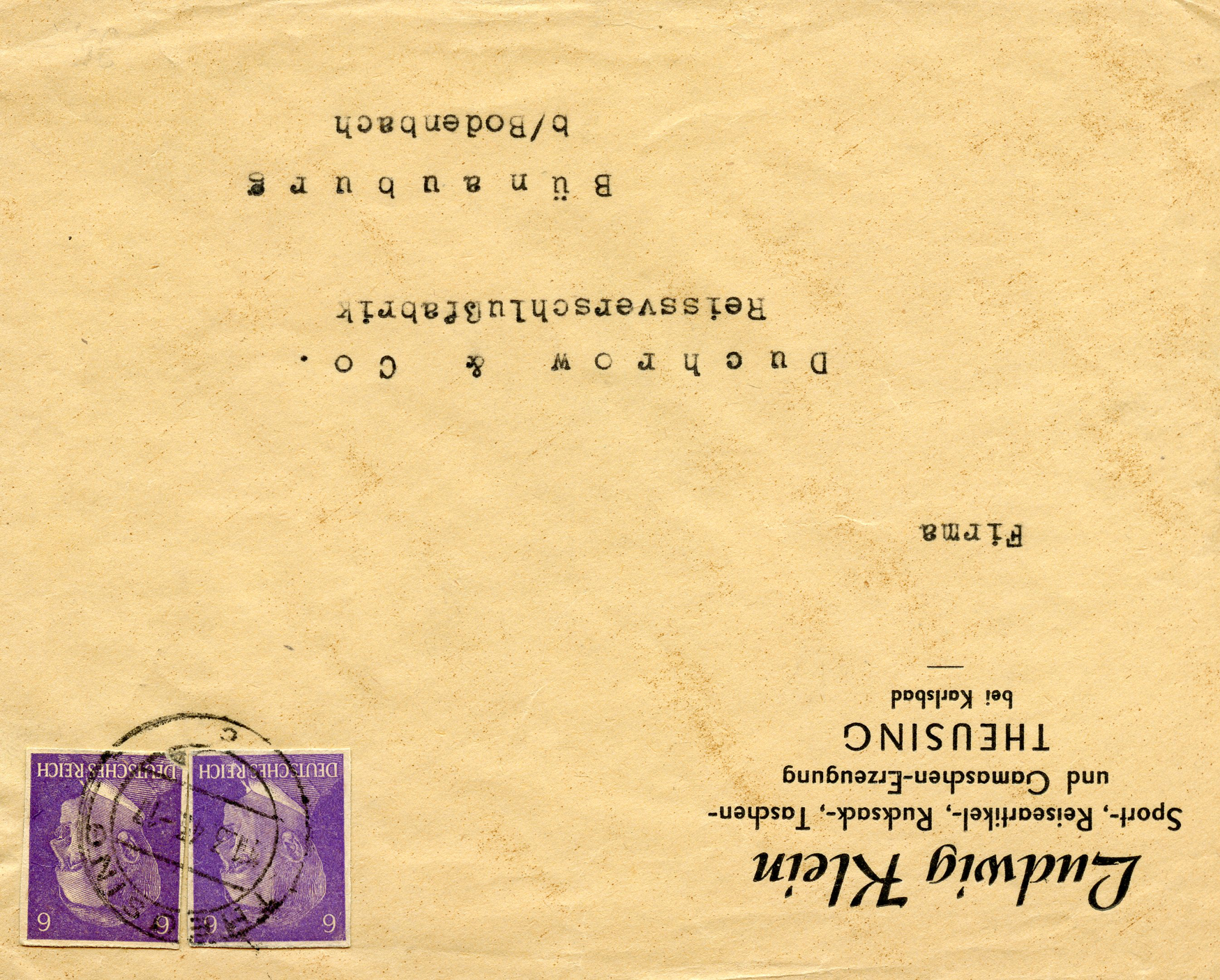
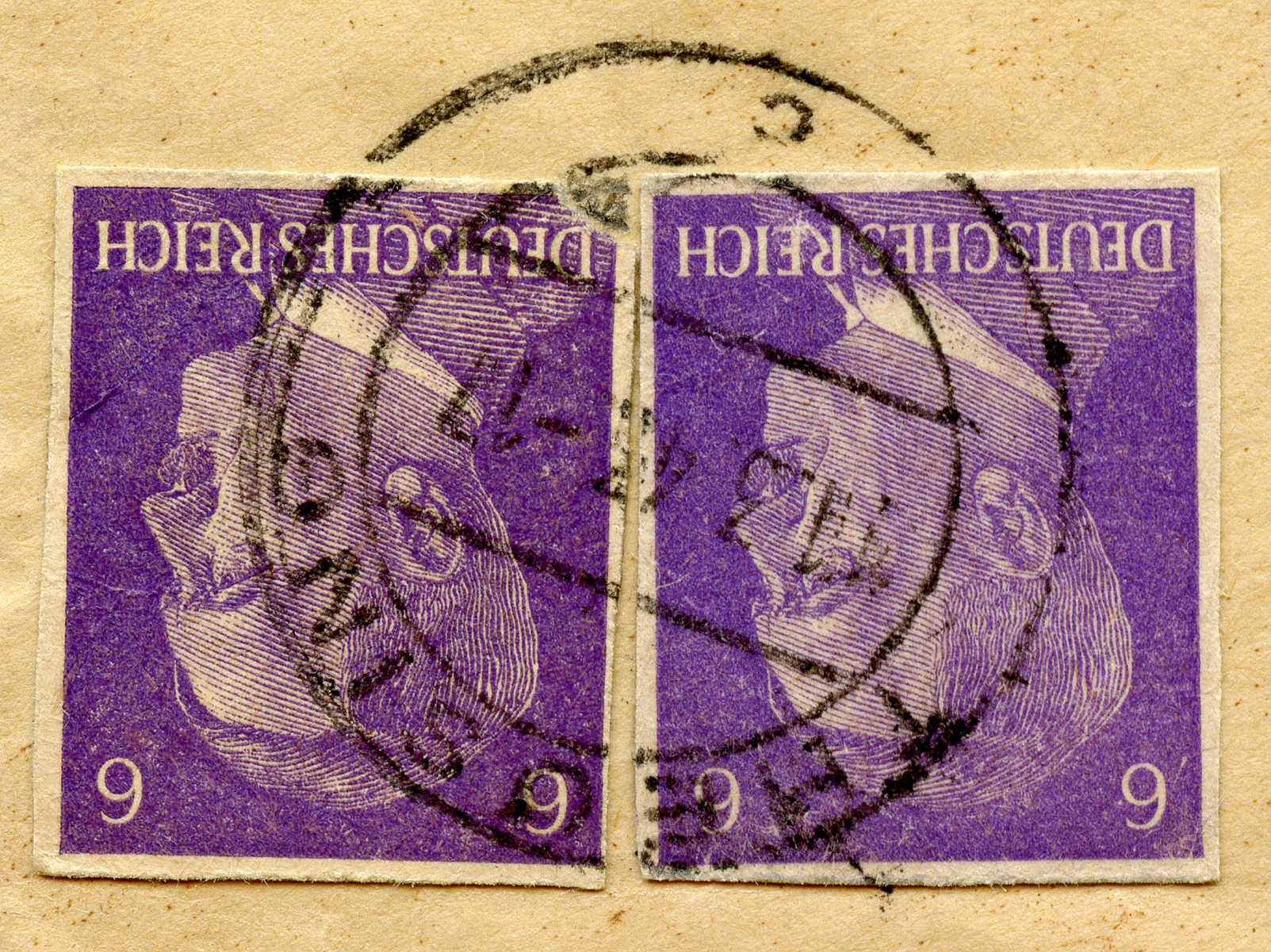
[Below: This is called an 'indicia', which means someone has taken a prepaid postcard and cut out the stamp and used it for postage on an envelope. In this case two cutouts were used. You see this happening very rarely, when you do it is usually from stamp dealers or collectors, but this is business to business. It says:
'Ludwig Klein - Sport-, Reiseartikel-, Rucksack-, Taschen- und Gamaschen-Erzeugung'
(Ludwig Klein - Manufacturer of Sporting Goods, Travel Accessories, Backpacks, Bags, and Gaiters).]
[Below: Close-up. This was postmarked on March 11, 1943.]

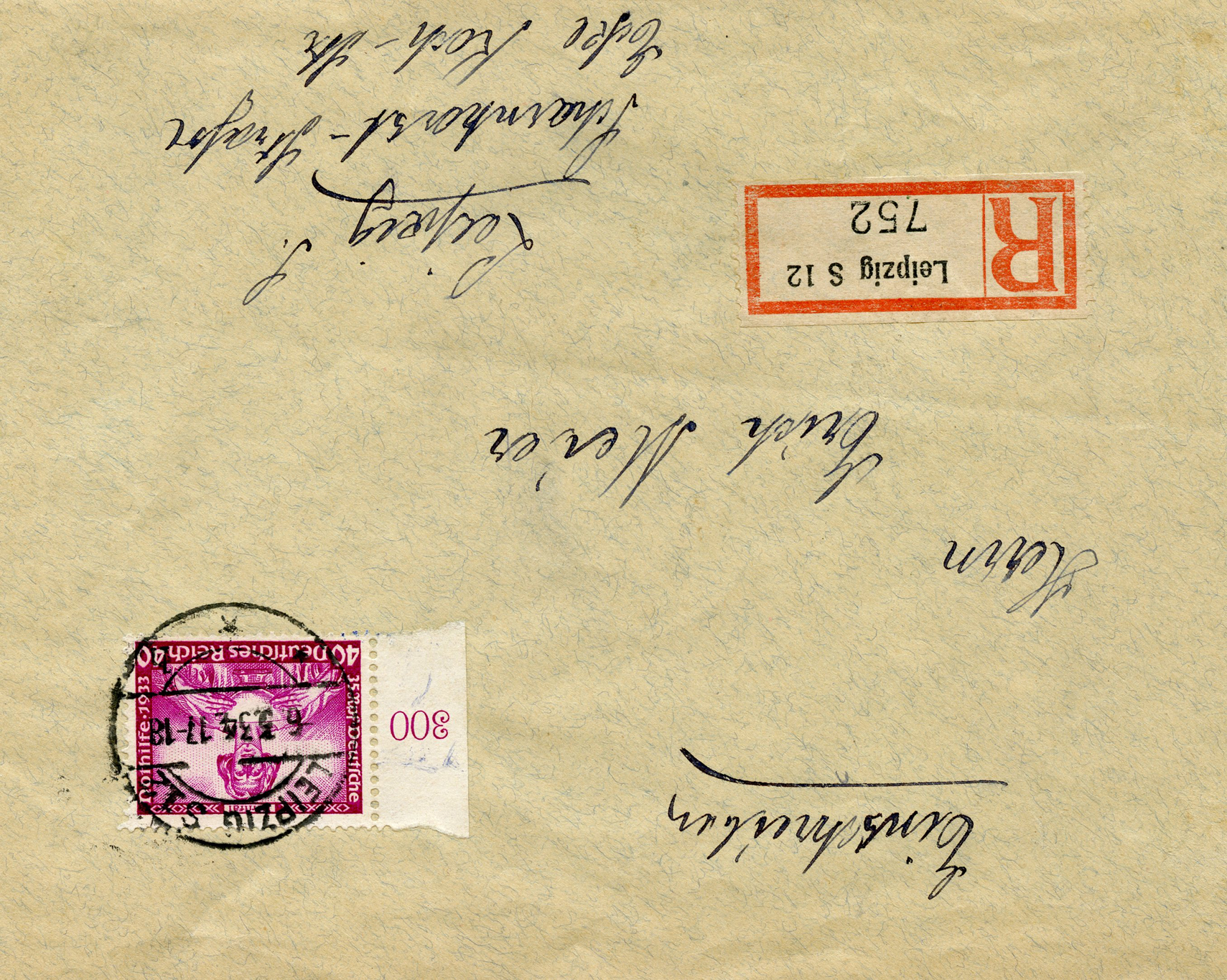
[Below: This postage stamp comes from a very cool set of nine with themes inspired by the works of Richard Wagner. This particular stamp is Parsifal. The set of stamps were released on November 1, 1933. Finding this stamp used on the envelope makes it worth hundreds of dollars.]
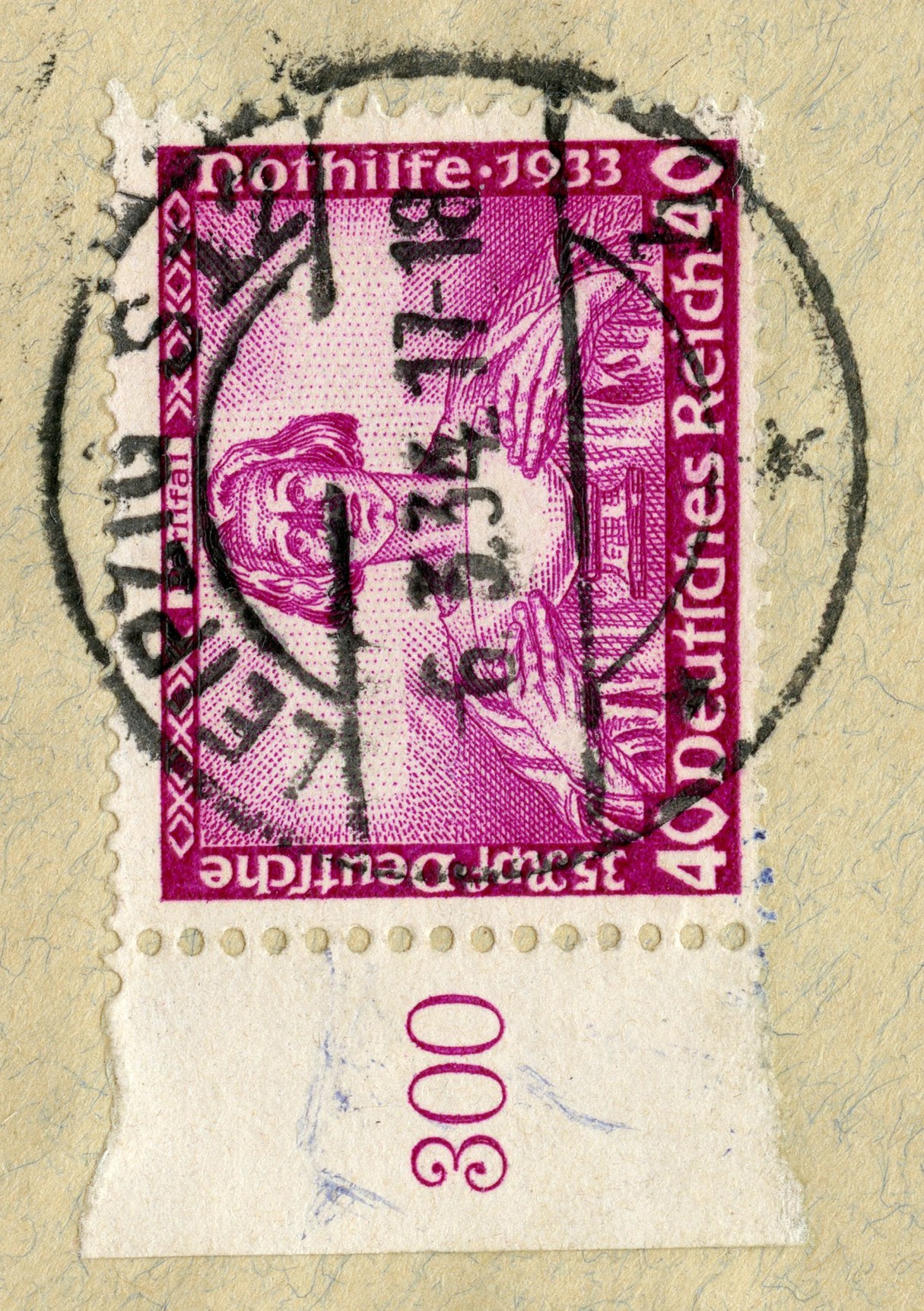
[Below: Close-up. This was postmarked on March 6, 1934. This stamp shows Parsifal with the Grail.]
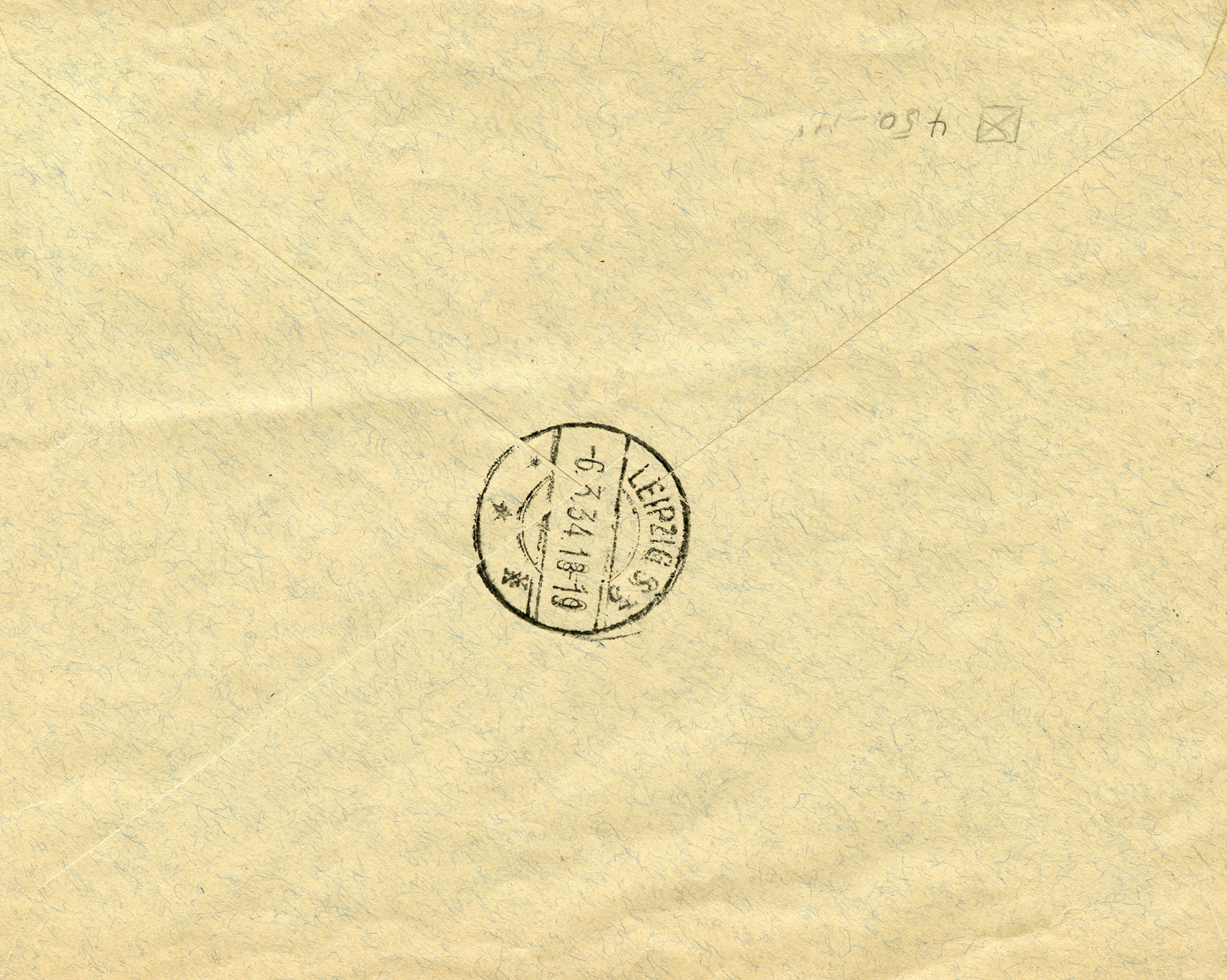
[Below: Reverse showing receival stamp. This was recieved the same day it was sent.]
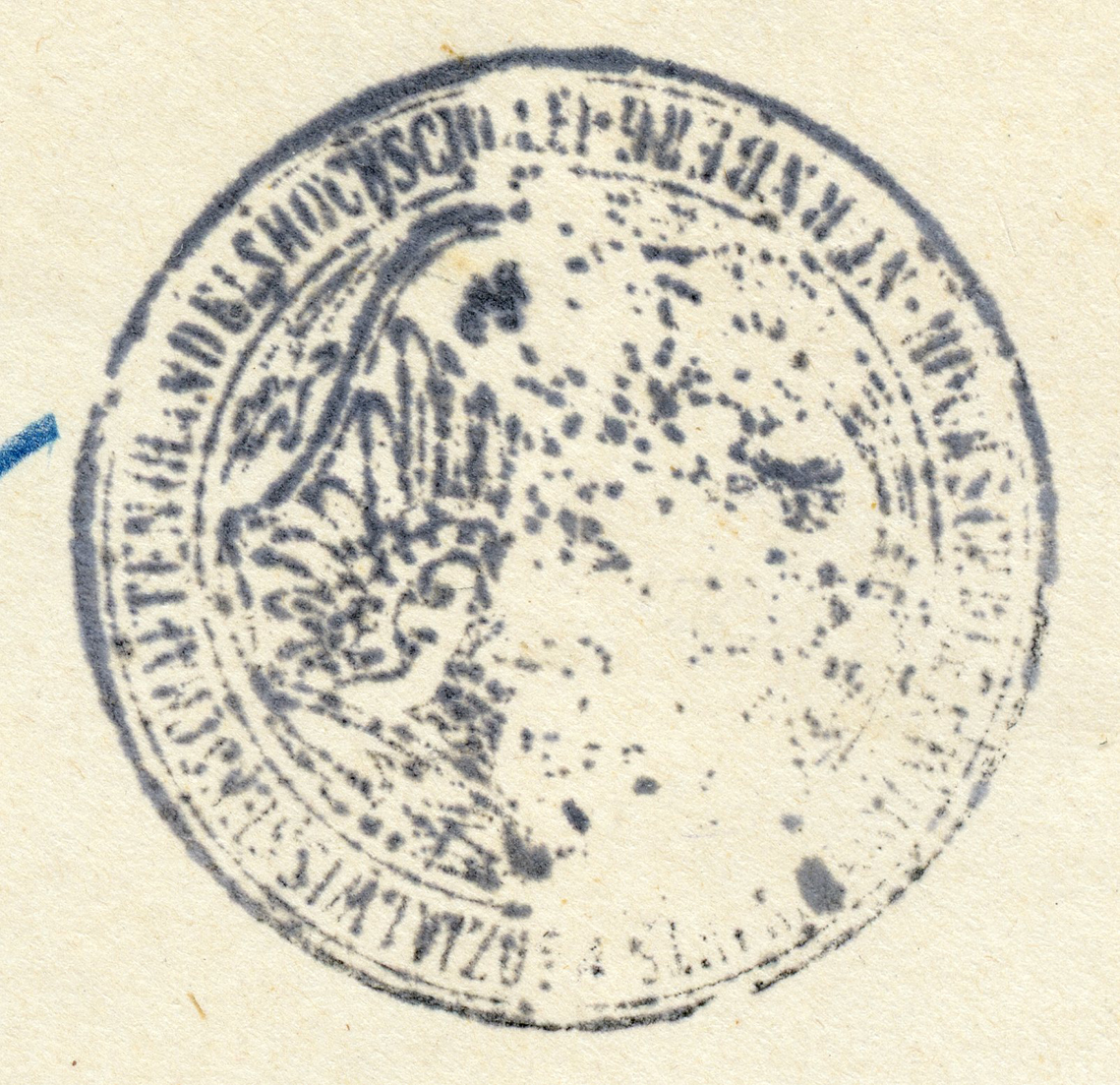
[Below: This is interesting for a few reasons. First you'll notice it has no postage. It was machine canceled (the long strip of cancel covering the entire envelope) on April 12, 1935. Unfortunately we cannot make out the round seal stamped on the lower left hand corner. It was sent from 'Hindenburg-Hochschule (Hochschule für Wirtschafts- und Sozialwissenschaften)' (Hindenburg University (University of Economics and Social Sciences)). The post office has stamped two different stamps on it -- 'Portopflichtige Dienstsache' and 'Nachgebühr', the first one means 'Official Mail Subject to Postage' and the second meaning 'Postage Due'. Since this is official mail we know it was a government run school, which also means the government tried to cheat the post office on postage and got busted. Someone went to a death camp for this! But I'm not sure who it was that got sent to a death camp for this, the government who got caught cheating, or the post office who caught them. Hehe.]
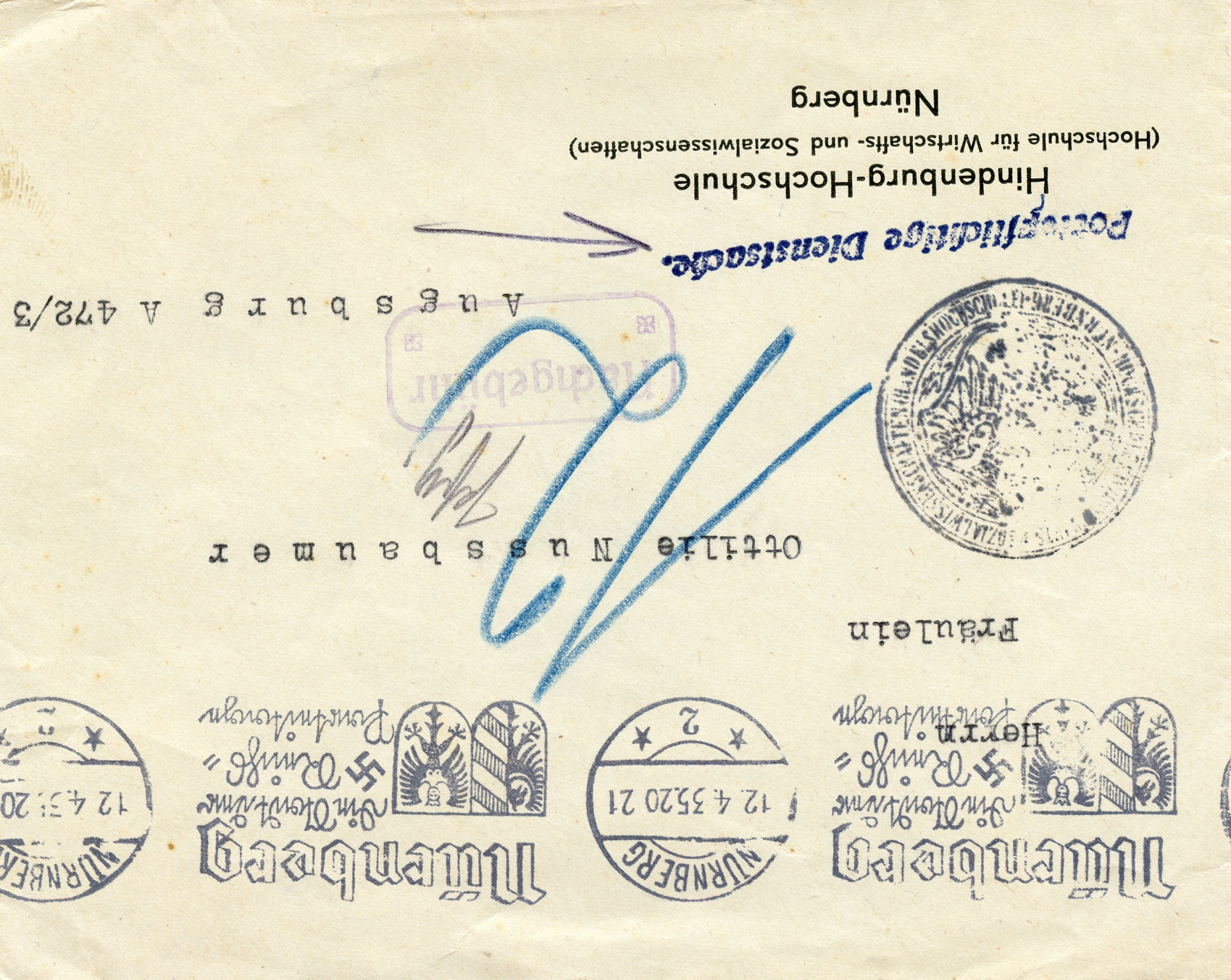
[Below: Close-up of the horrid seal stamp.]
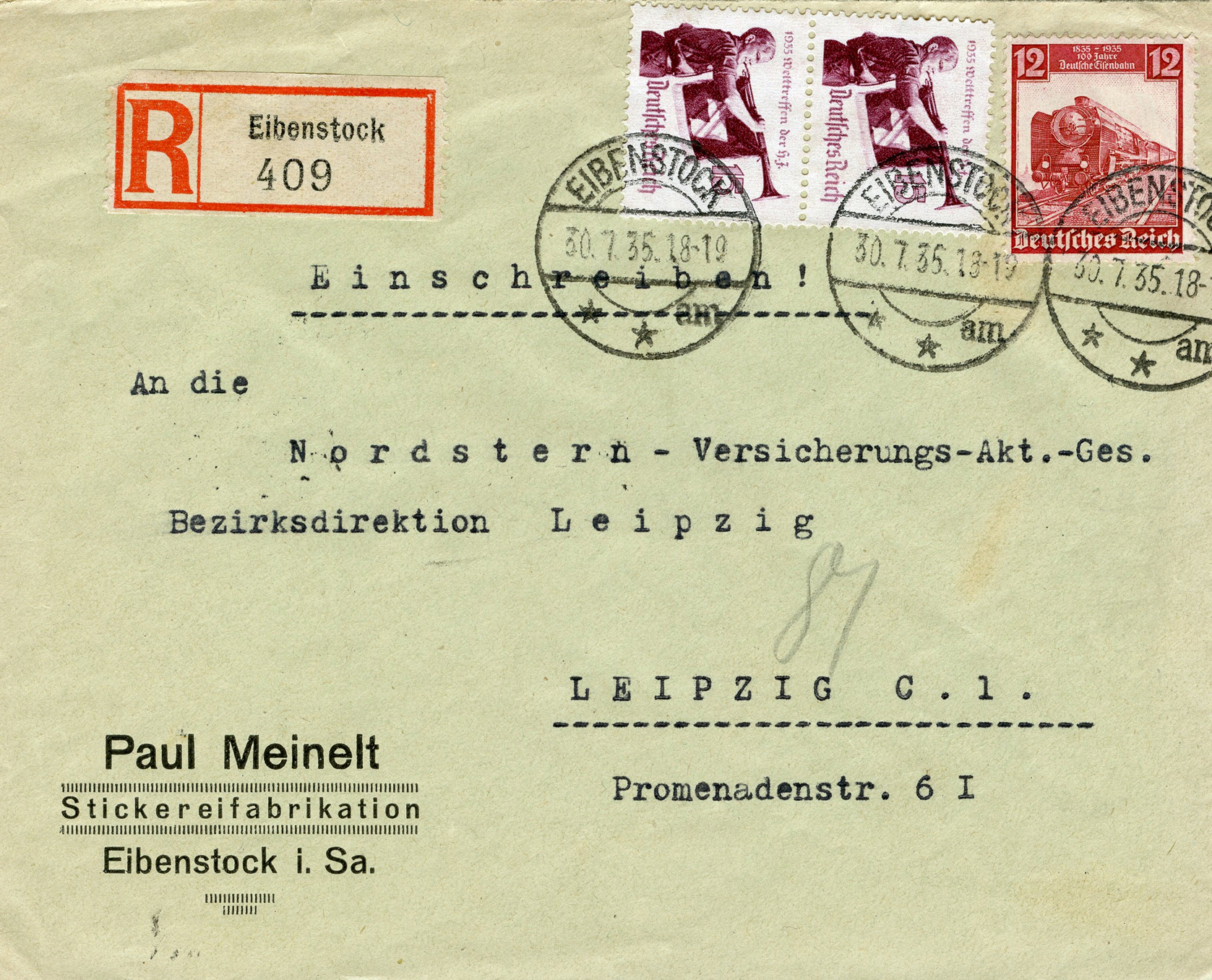
[Below: This was sent registered on July 30, 1935 to 'Nordstern - Versicherungs' (Nordstern Insurance) from 'Paul Meinelt - Stickereifabrikation' (Paul Meinelt - Embroidery Manufacturing). This insurance company was bought out in 1997 by another company, but the embroidery company is completely lost to time.]
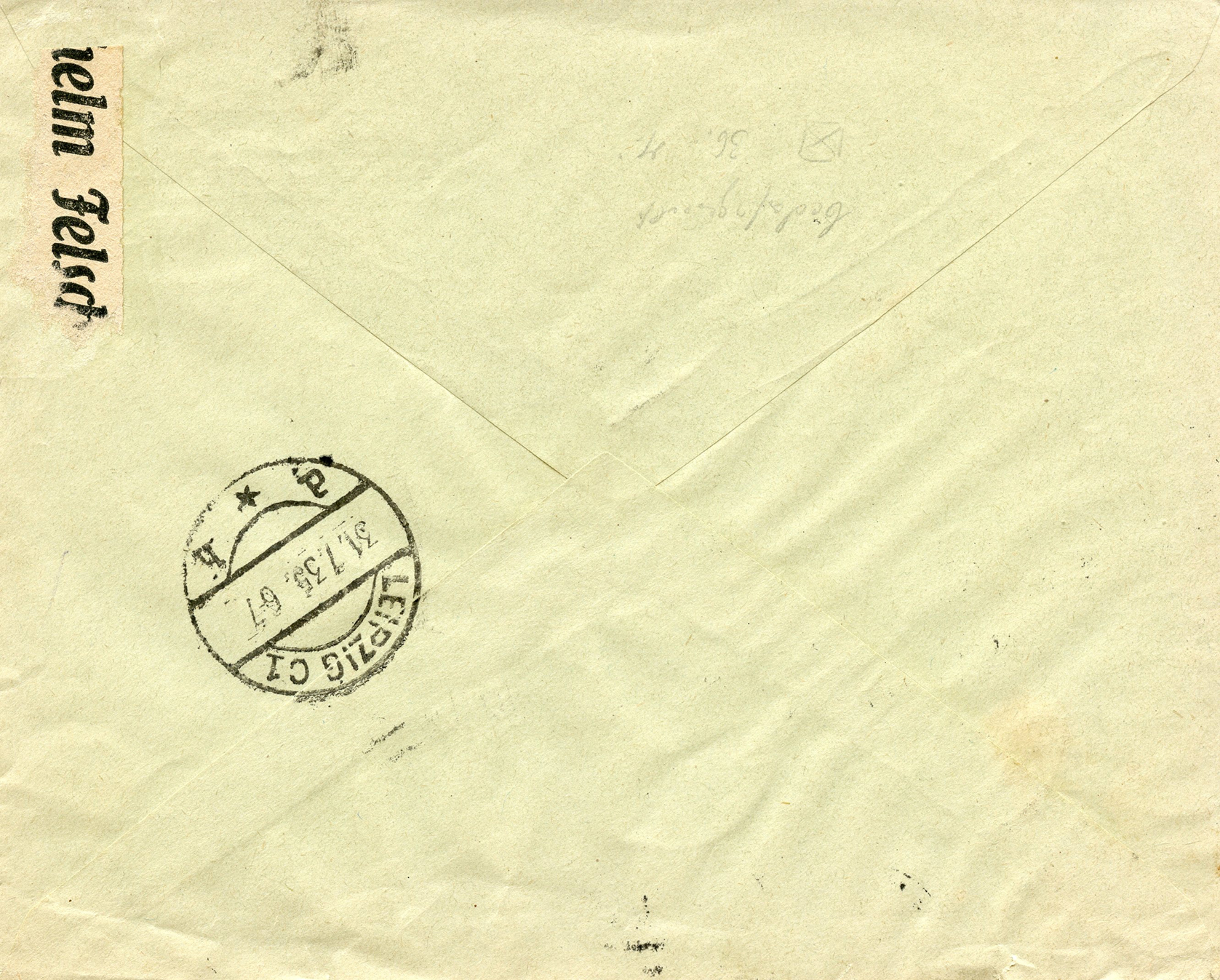
[Below: This was received on July 31, 1935, the day after it was sent.]
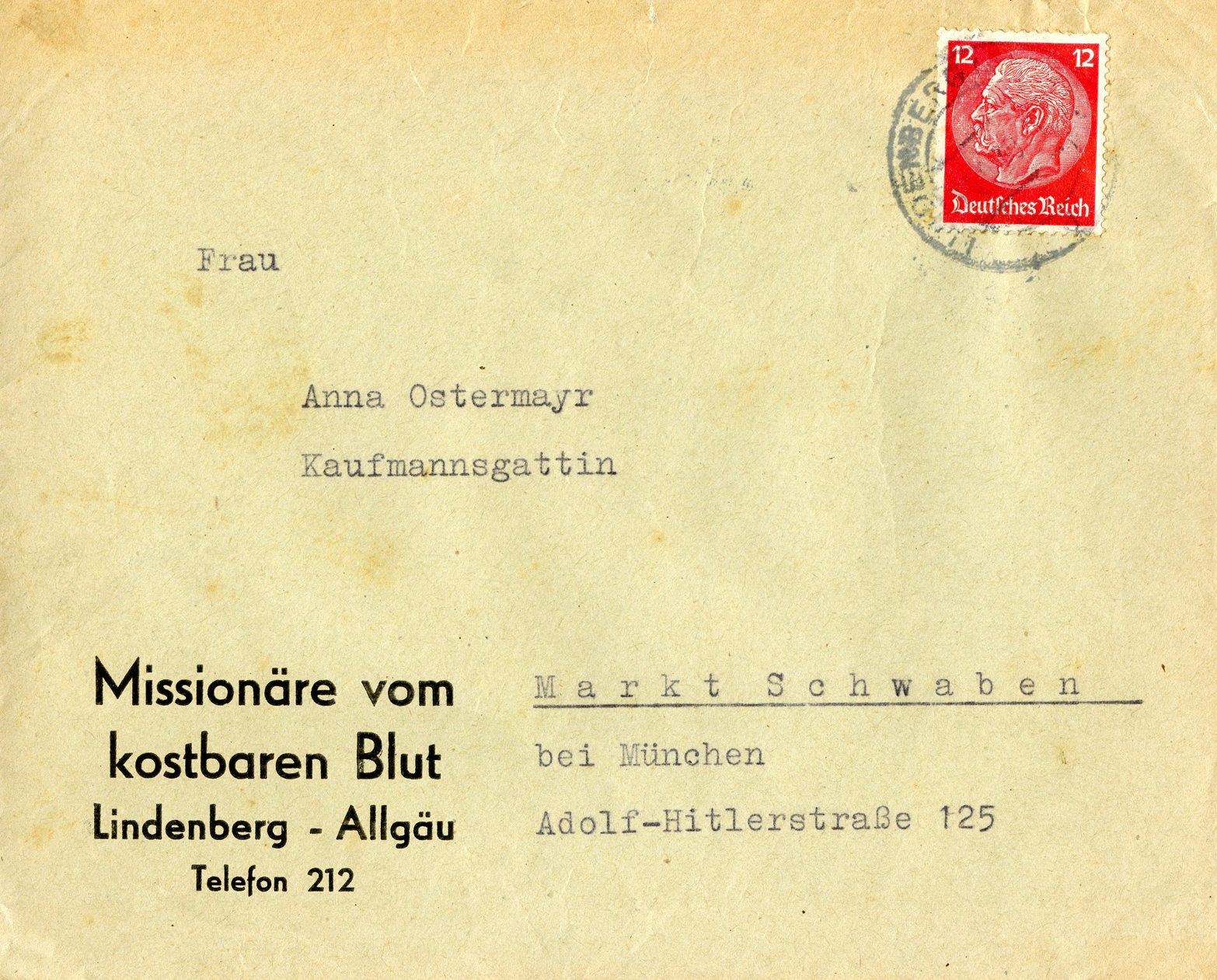
[Below: This 1939 envelope (and contents) is from 'Missionaries of the Precious Blood', obviously a vampire organization.]
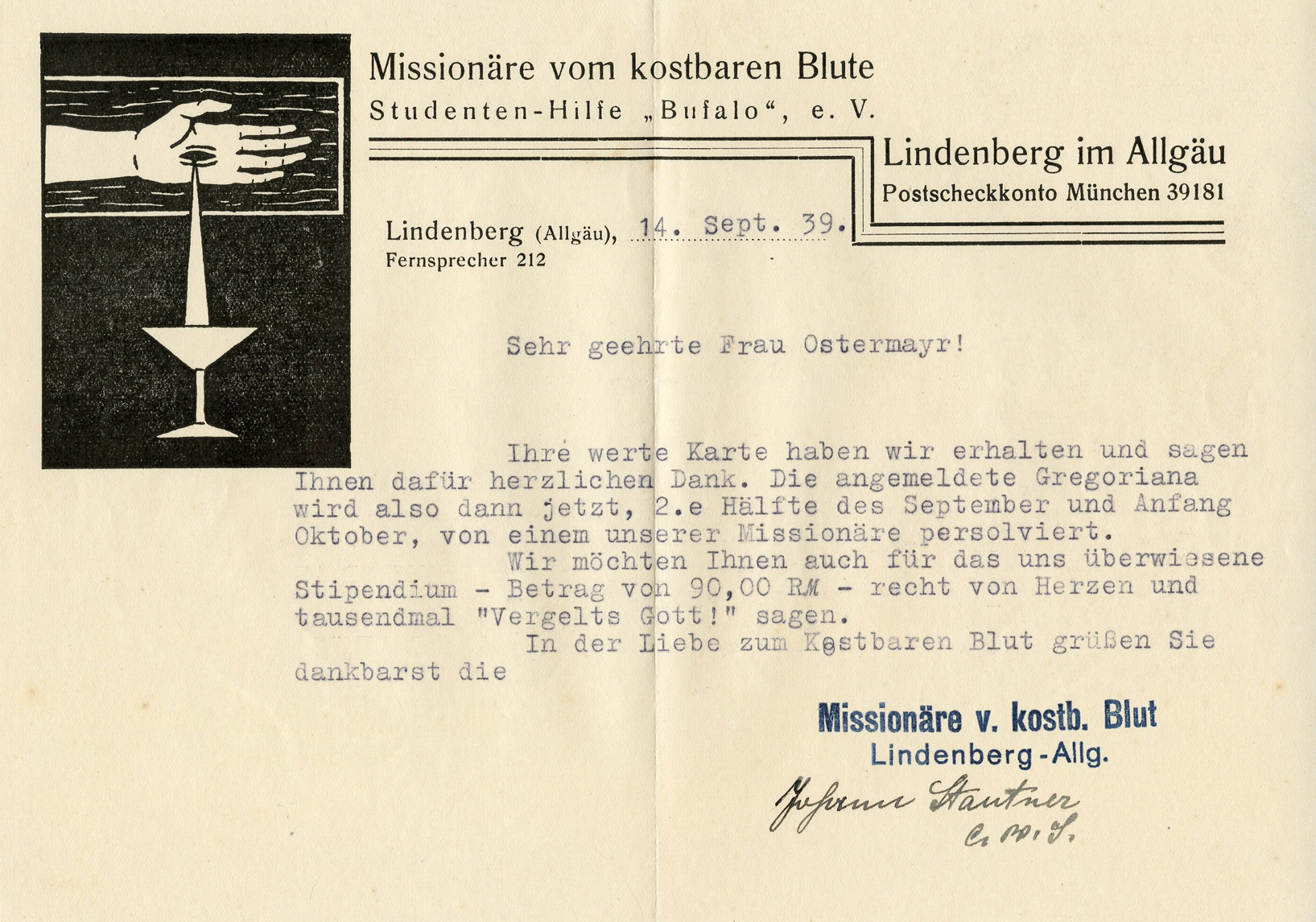
[Below: Interesting graphic. This is sent to a woman who invited missionaries to the 'Gregorian Gymnasium' and thanking her for sending them 90 RM.]
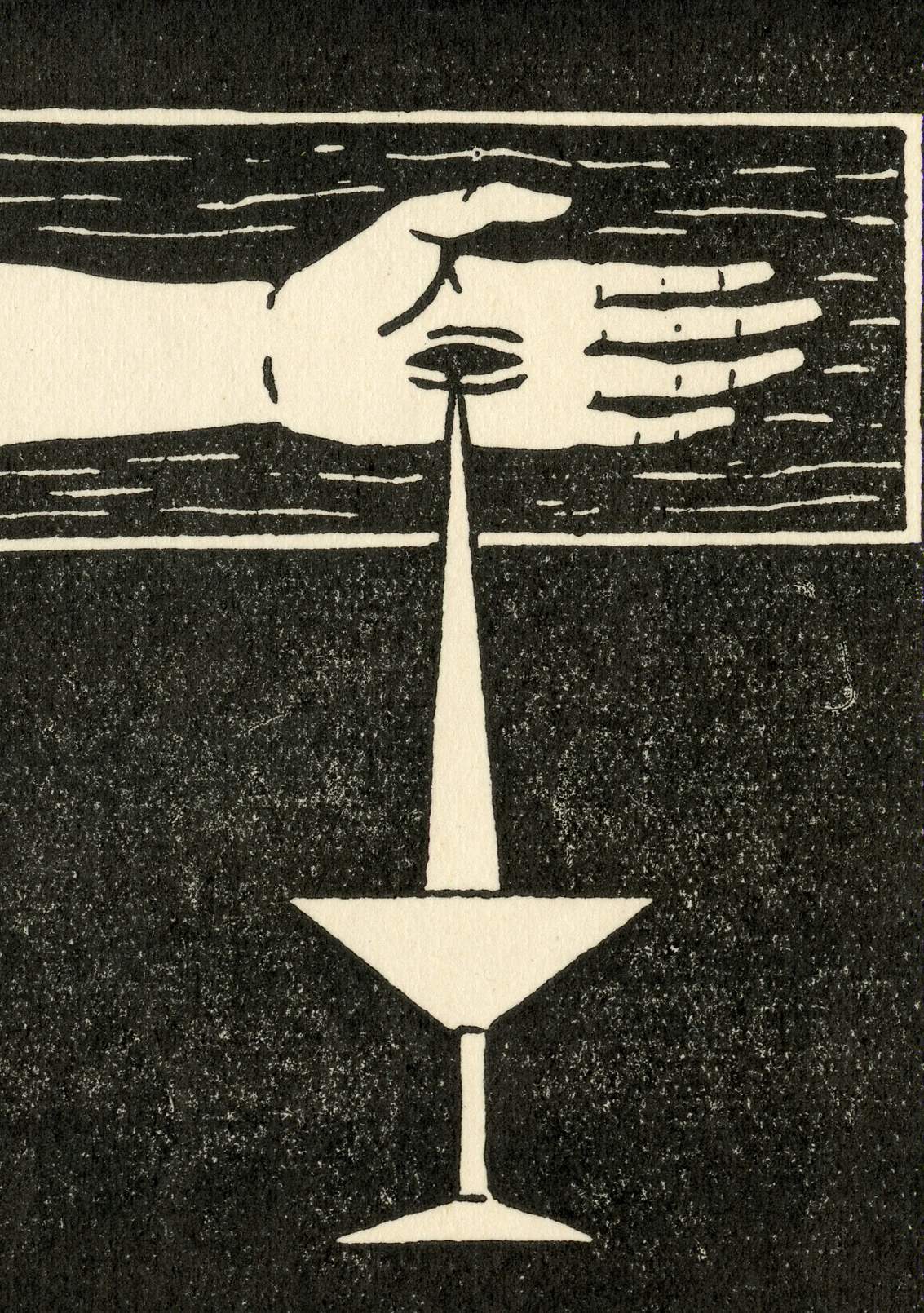
[Below: Close-up.]
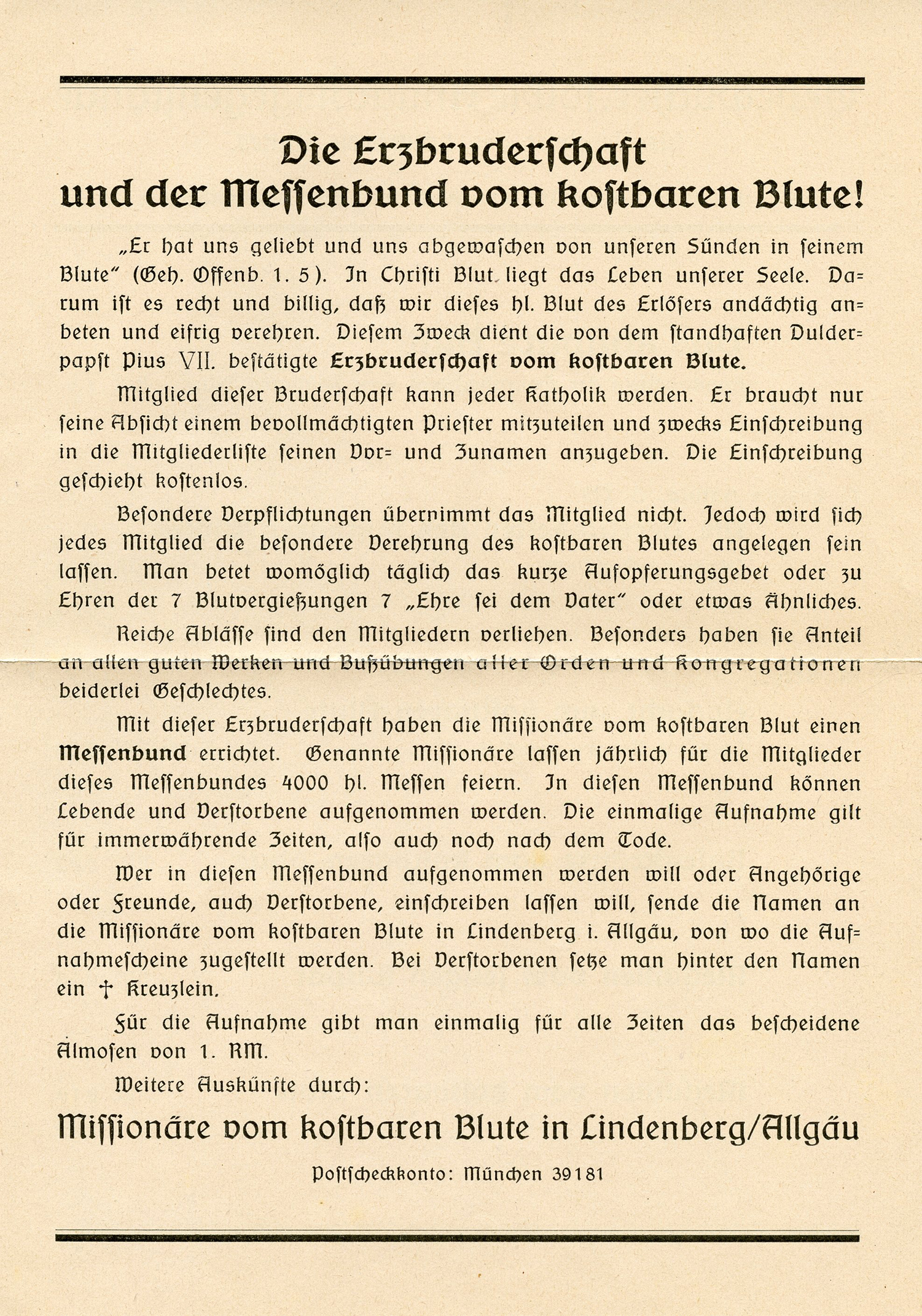
[Below: Insert - front/reverse. This talks about their organization and their worship of blood. It even states that the dead can join, I kid you not. Free of charge, for 1 RM!]
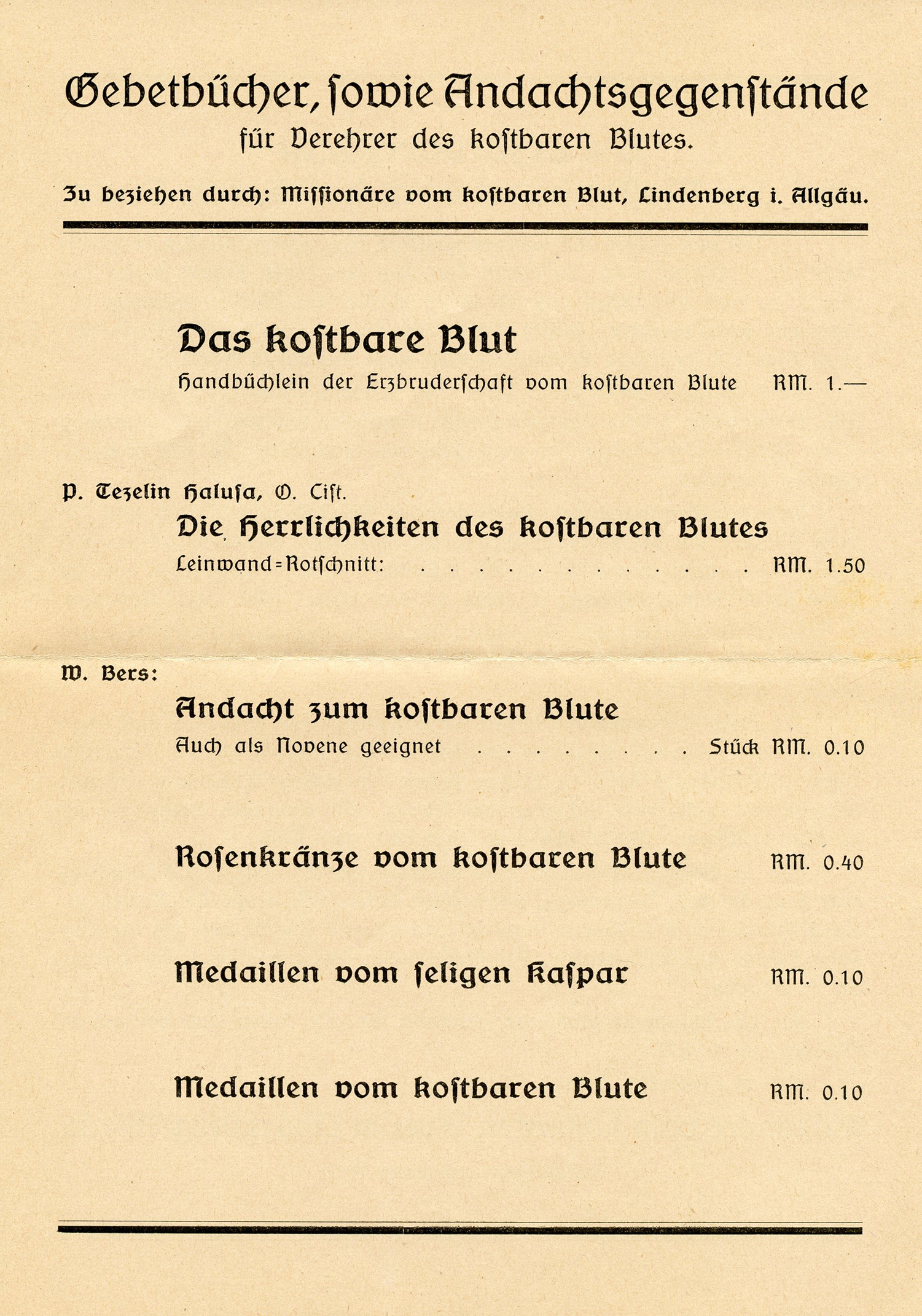
[Below: Here are examples from a military set of postage stamps released on March 11, 1944 for Heroes' Memorial Day, done by artist Prof. O. Anton. This was postmarked on July 1, 1944.]

[Below: This 250 year old university is just about older than anything brought by Europeans to the USA. The irony is the USA had no problem fire bombing the culture of their own people.]

[Below: Speaking of the United States, this registered envelope was canceled in Stuttgart on American Independence Day, July 4, 1944.]

[Below: 'MANSPERGER' - a manly name.]

[Below: This registered envelope was postmarked in Munich on August 26, 1944.]

[Below: The registration receival stamp shows it arrived two days later in Bad Liebenwerda.]

[Below: This registered envelope was postmarked in Munich on August 24, 1944.]
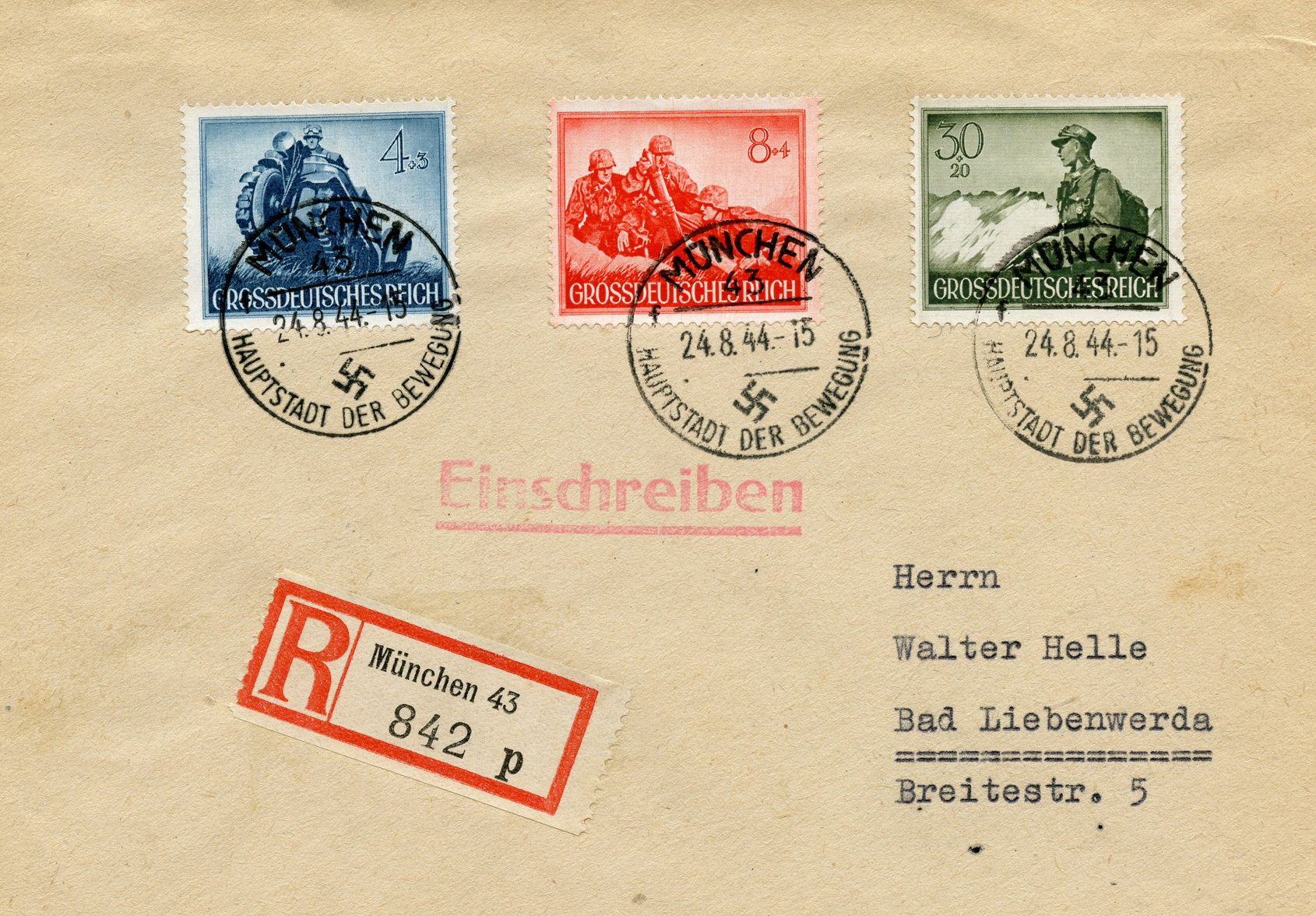
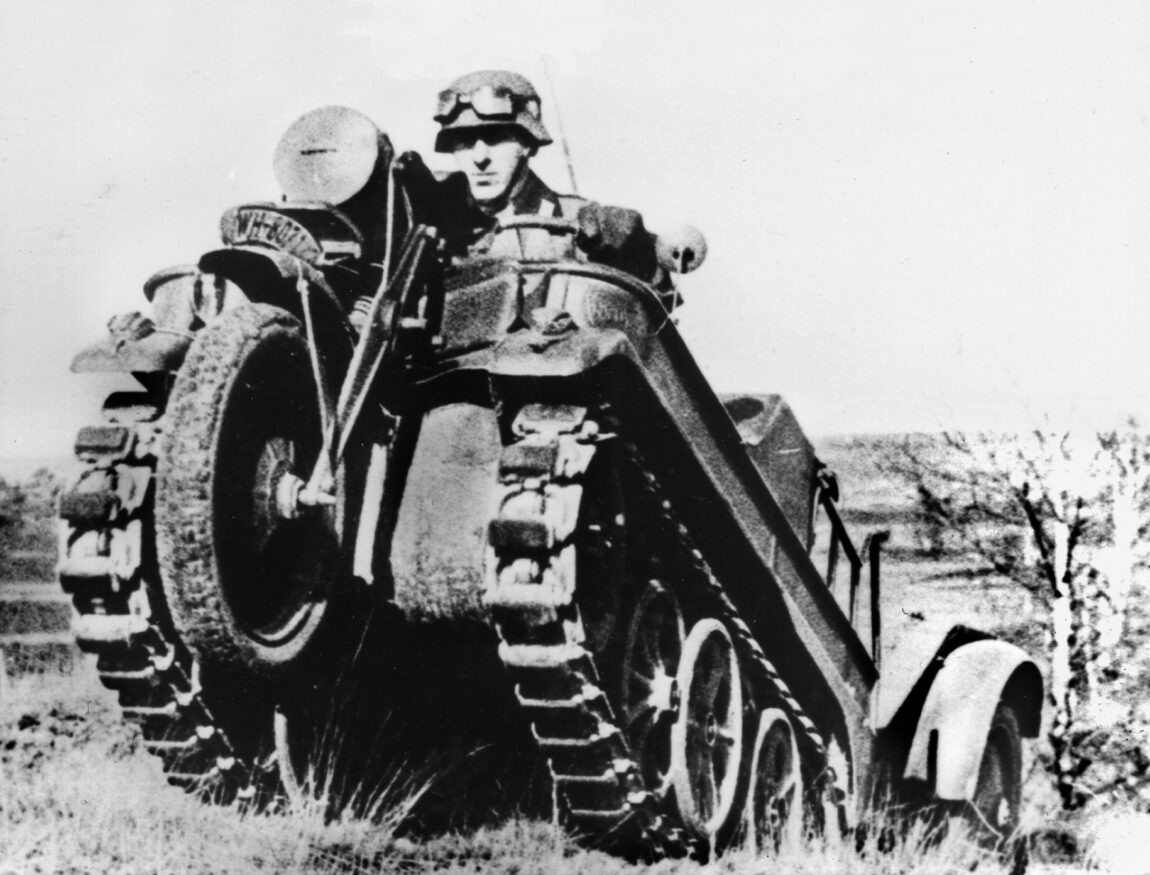
[Below: The postage stamp in the upper left-hand corner was done from this photo of the Kettenkrad motorcycle. It was capable of reaching 50 miles per hour on level roads, the front wheel was removed for off-road use over rough terrain.]
[Below: The registration receival stamp shows it arrived two days later in Bad Liebenwerda.]

[Below: This registered envelope was postmarked in Heldburg on April 28, 1944.]

[Below: The registration receival stamp shows it arrived one day later in Stadtprozelten.]

[Below: This registered envelope was postmarked in Chemnitz on October 30, 1944.]

[Below: The registration receival stamp shows it arrived the same day locally in Chemnitz.]

[Below: This registered envelope was postmarked in Halle (Saale) on June 6, 1944 (the date on the ink stamp looks like it has been obliterated, but on the reverse arrival stamp it is visible).]

[Below: The registration receival stamp shows it arrived the same day locally in Halle (Saale).]

[Below: This envelope was postmarked in Bleicherode on July 14, 1943. It uses a previous set of military themed stamps for Armed Forces Day/Heroes' Memorial Day, released on March 21, 1943 and done by artist E. Meerwald. The reverse is blank.]

[Below: Close-up of Waffen-SS.]

[Below: This envelope was also postmarked in Bleicherode on July 14, 1943. It uses a previous set of military themed stamps for Armed Forces Day/Heroes' Memorial Day, released on March 21, 1943 and done by artist E. Meerwald. The reverse is blank.]

[Below: Close-up.]

[Below: This was postmarked on July 29, 1935.]
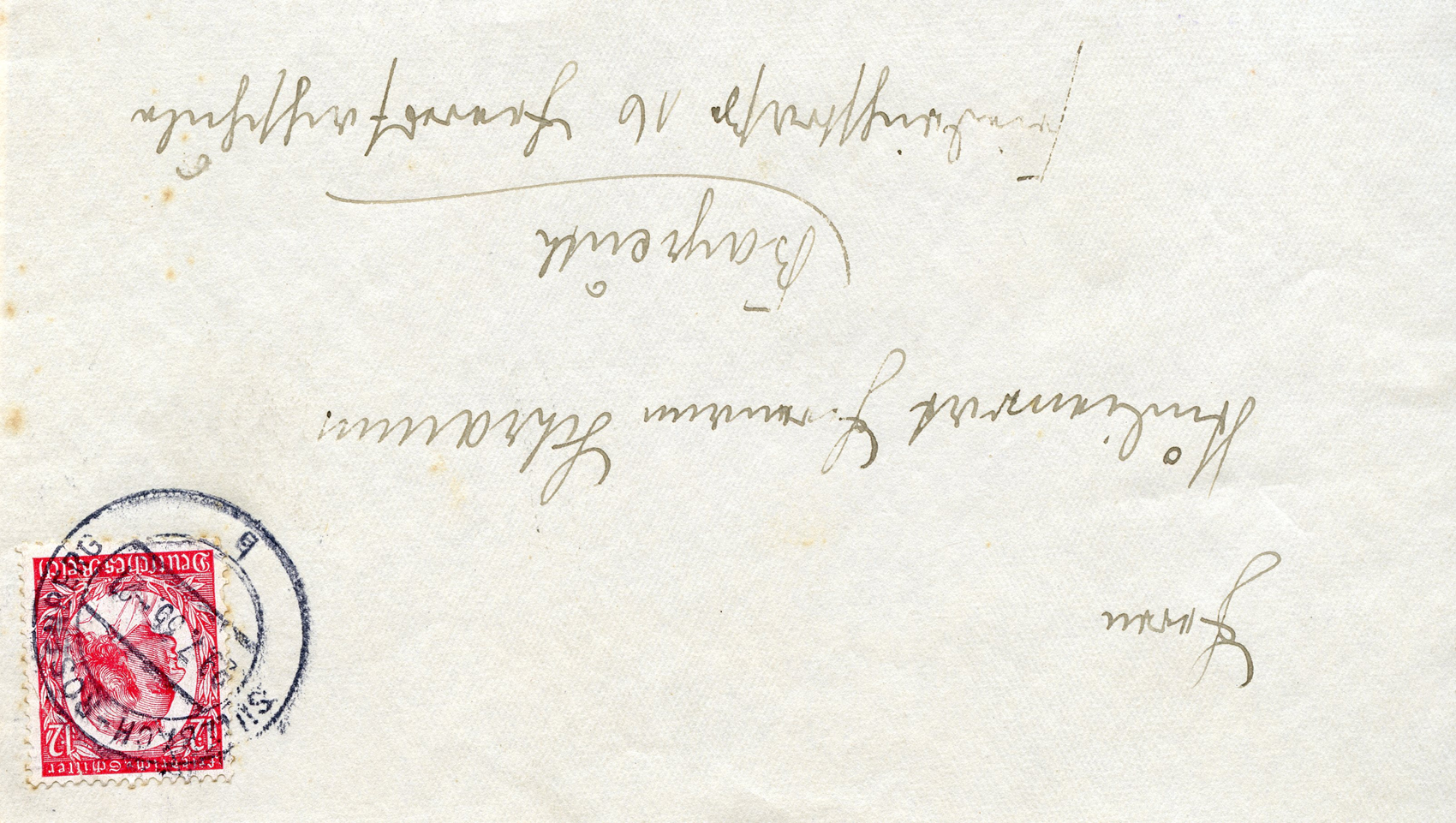
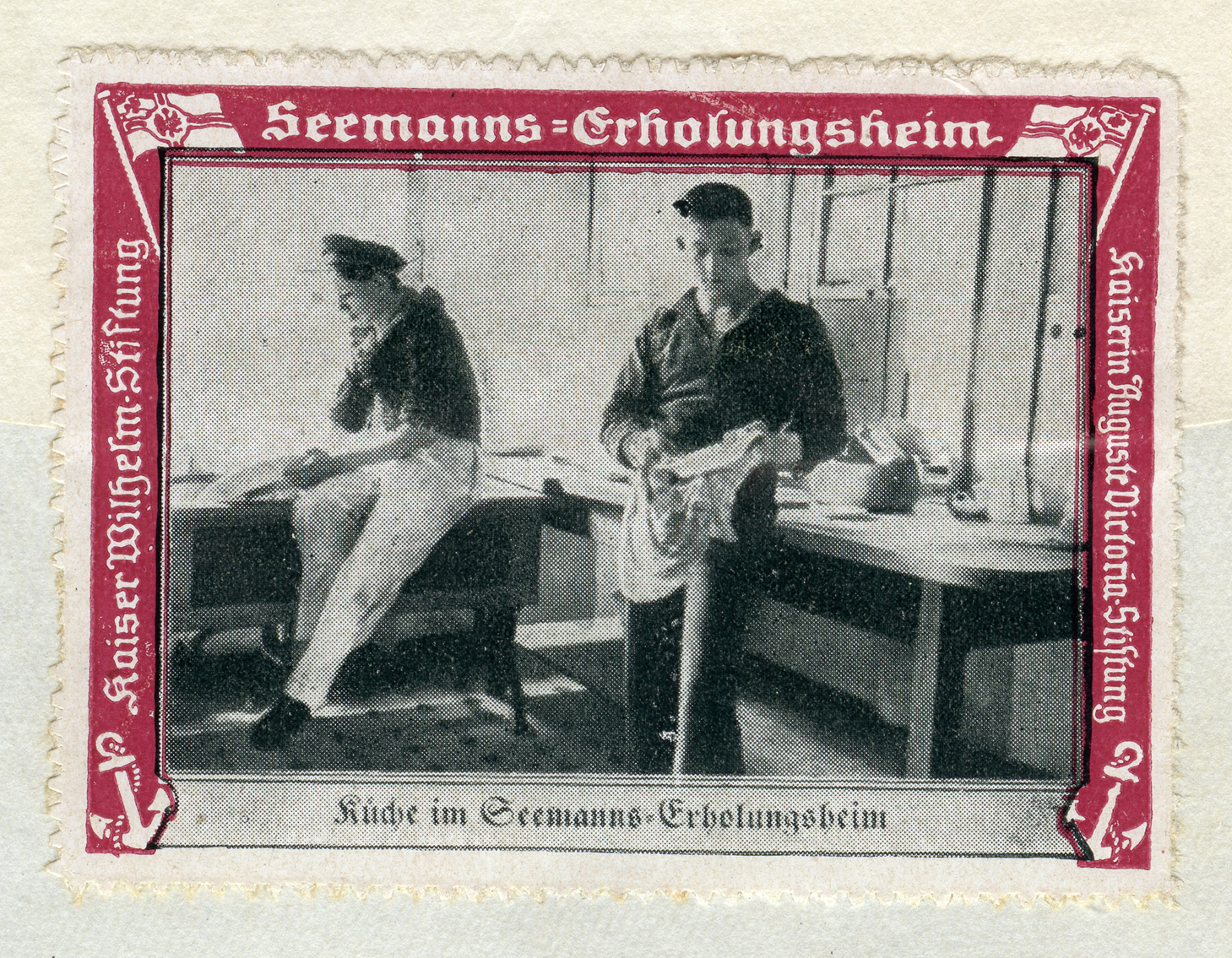
[Below: Reverse. This vignette/advertising stamp says 'Seaman's Recreation Home - Kaiser Wilhelm Foundation - Empress Auguste Victoria Foundation - Kitchen in the Seamen's Recreation Home'.]
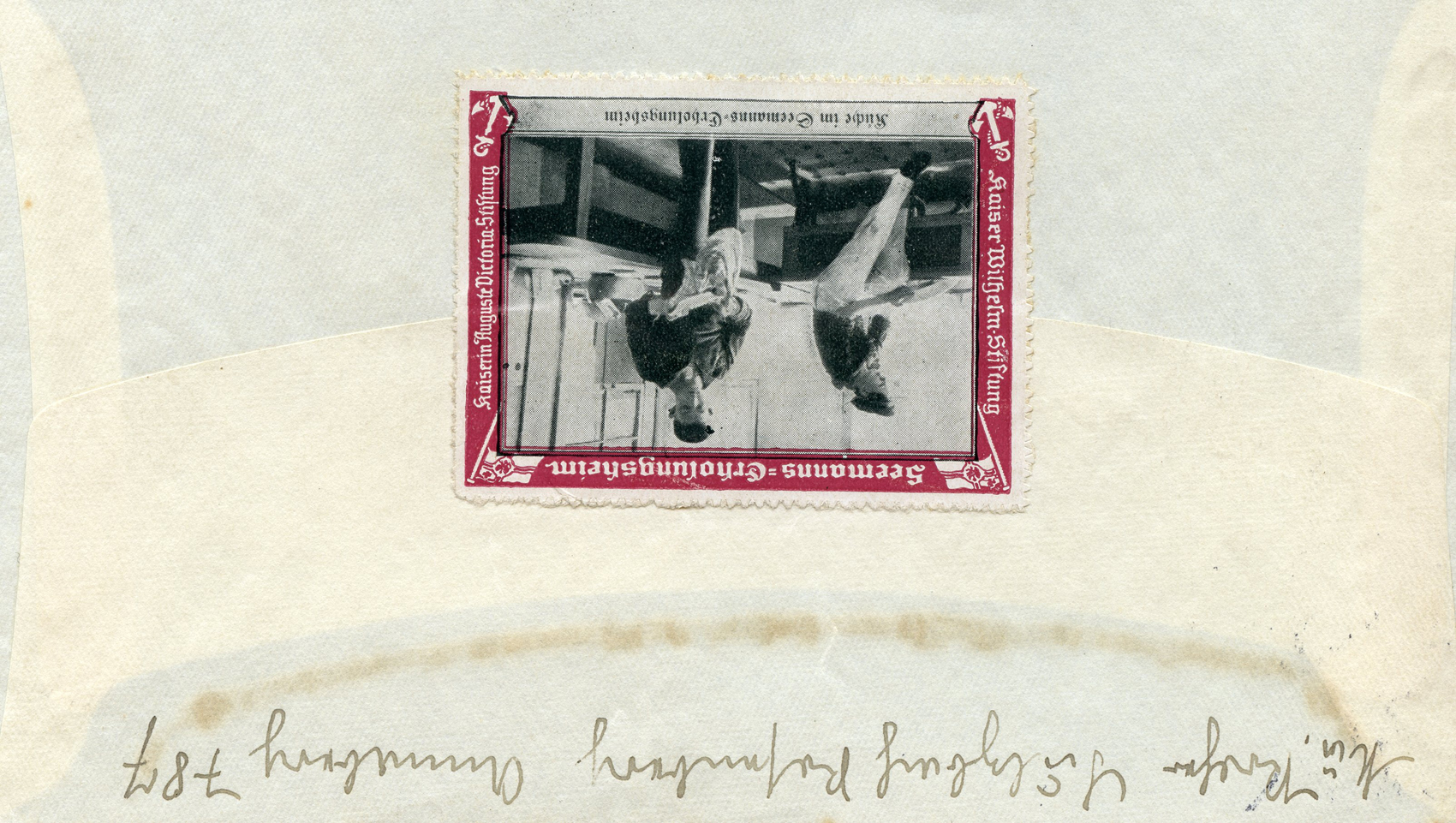
[Below: Close-up.]
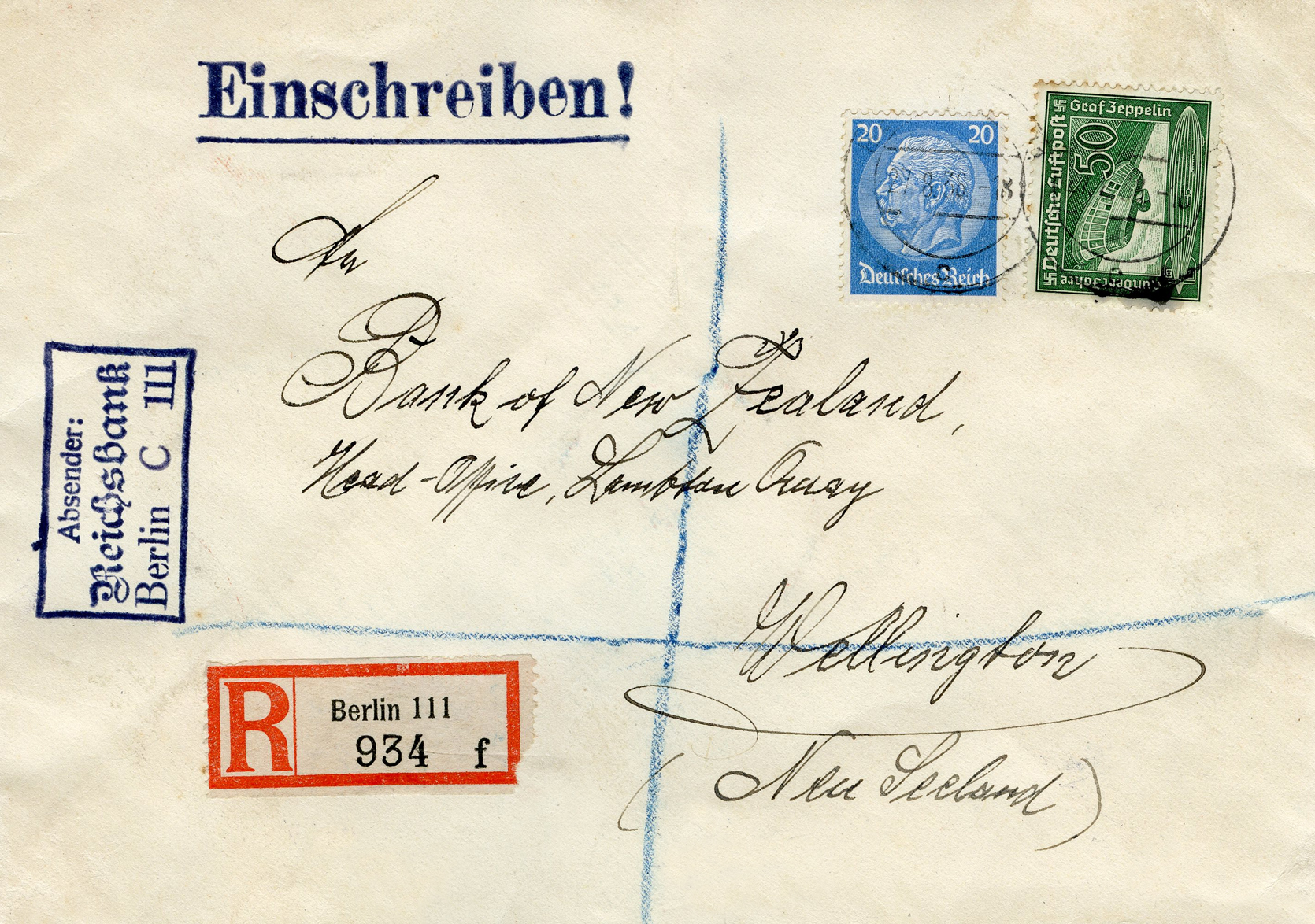
[Below: This is a cool one. It was postmarked on August 27, 1938 and sent registered from the Bank of Berlin to New Zealand. Now check out the reverse. Click to enlarge.]
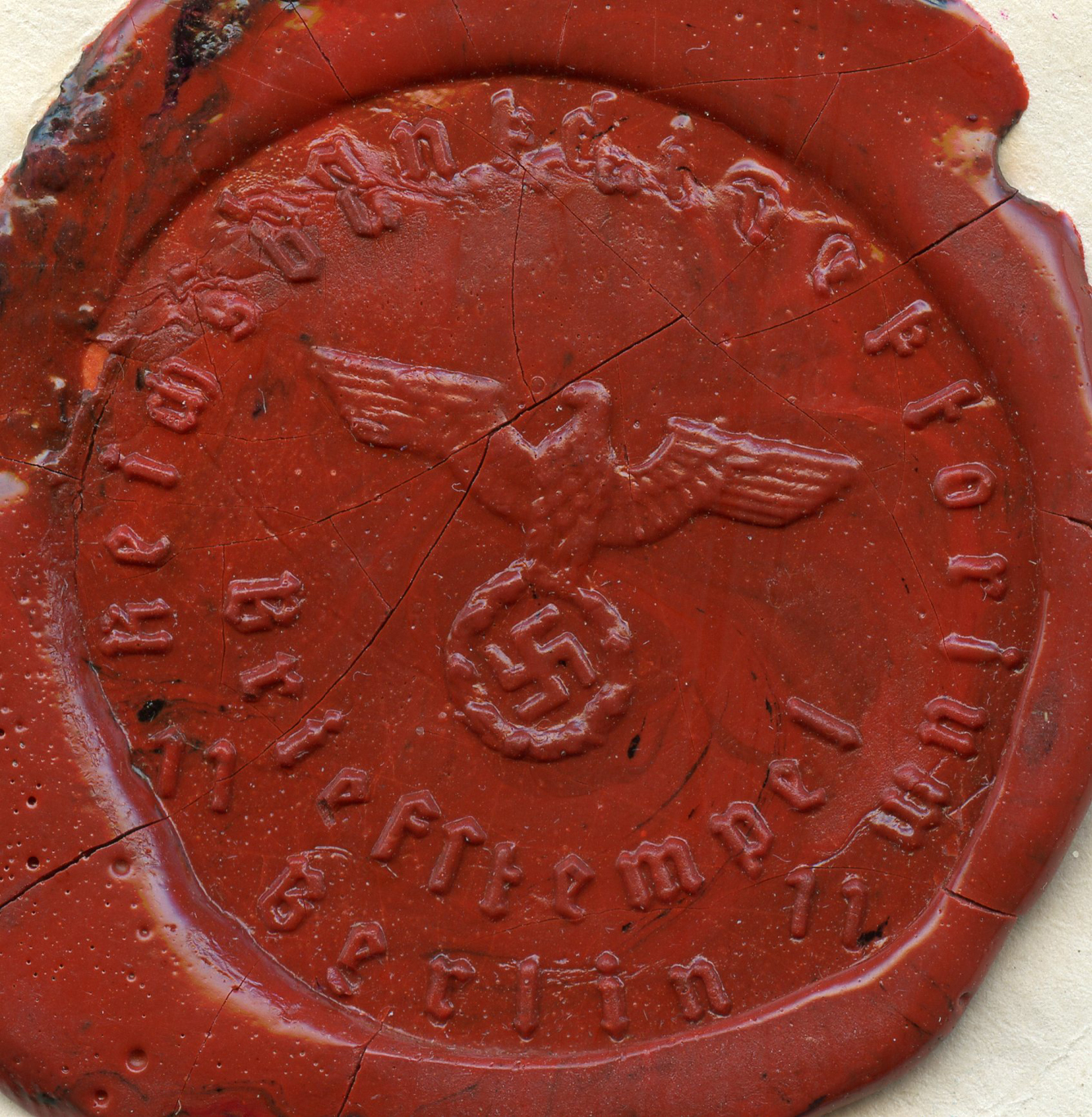
[Below: Reverse. Check out the wax seals on this! Pretty neat huh? Mostly when you encounter wax seals they are usually damaged, usally mixing pieces, but this one is pretty pristine, missing only one piece. Click to enlarge.]
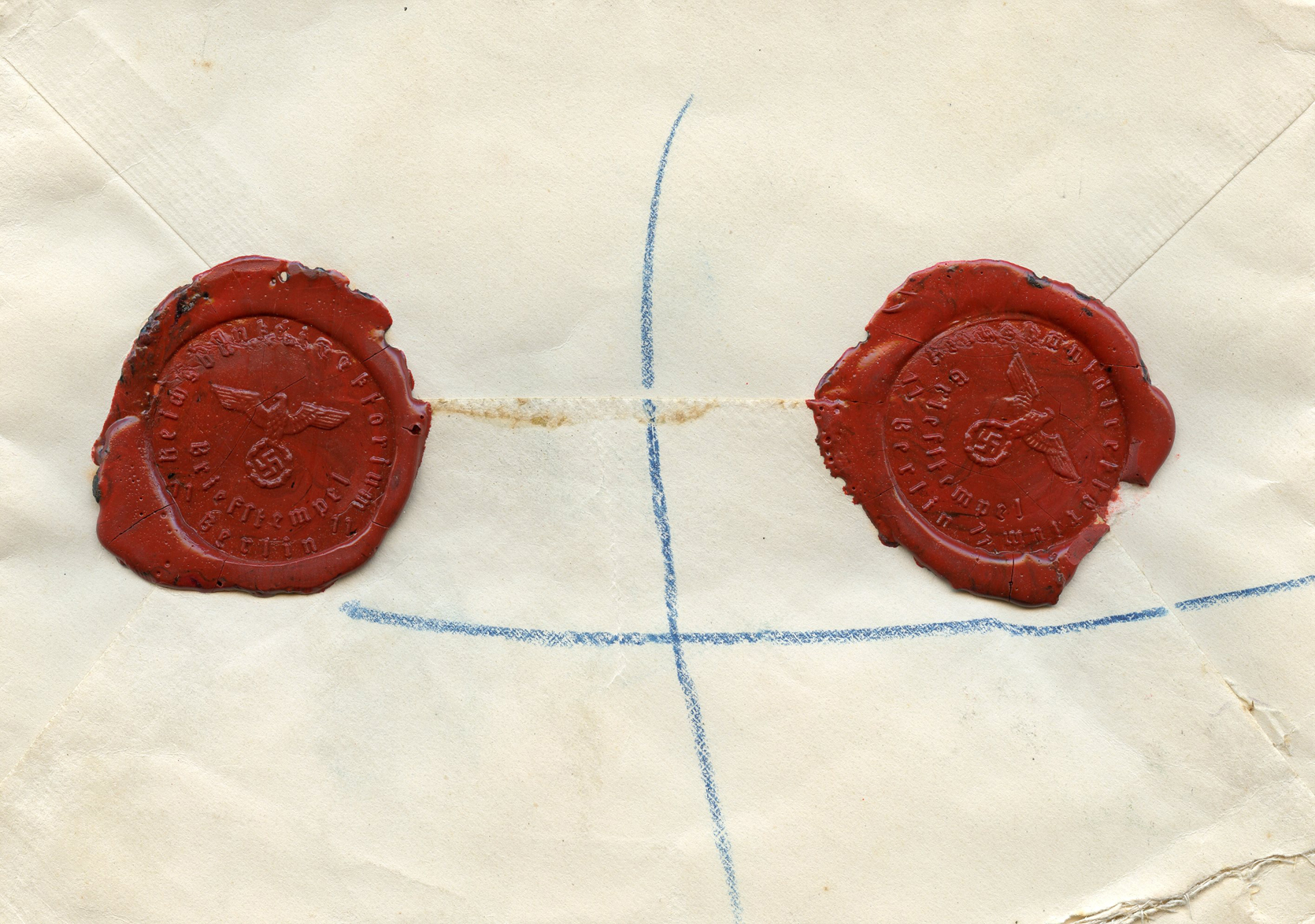
[Below: Close-up. Click to enlarge.]
[Below: Another DRUCKPROBE! This one uses the word 'MUSTER' which means 'SAMPLE'. This is a pre-paid envelope from the German territory of Württemberg. The stamp used here, printed on the envelope, was used from 1881-1919.]
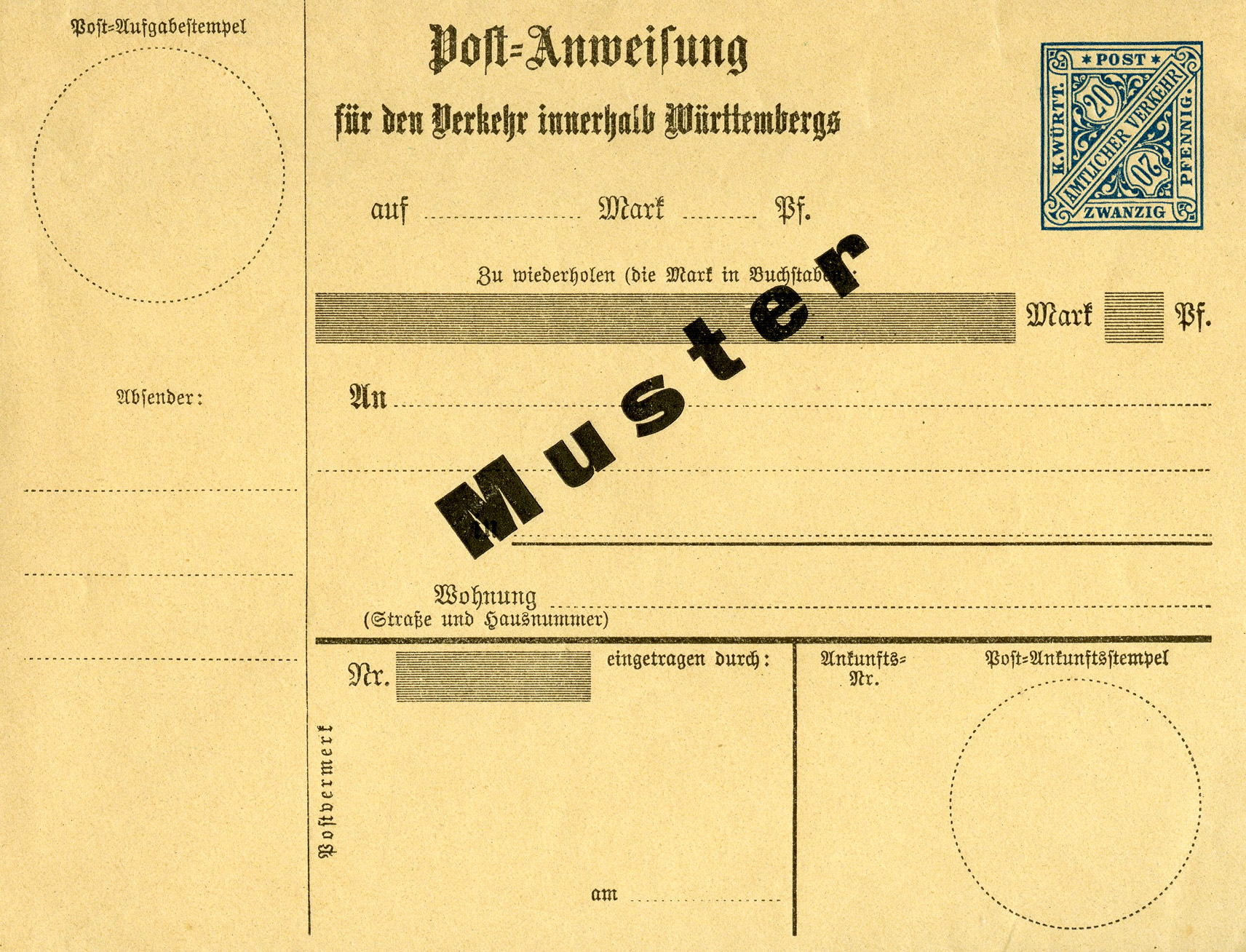
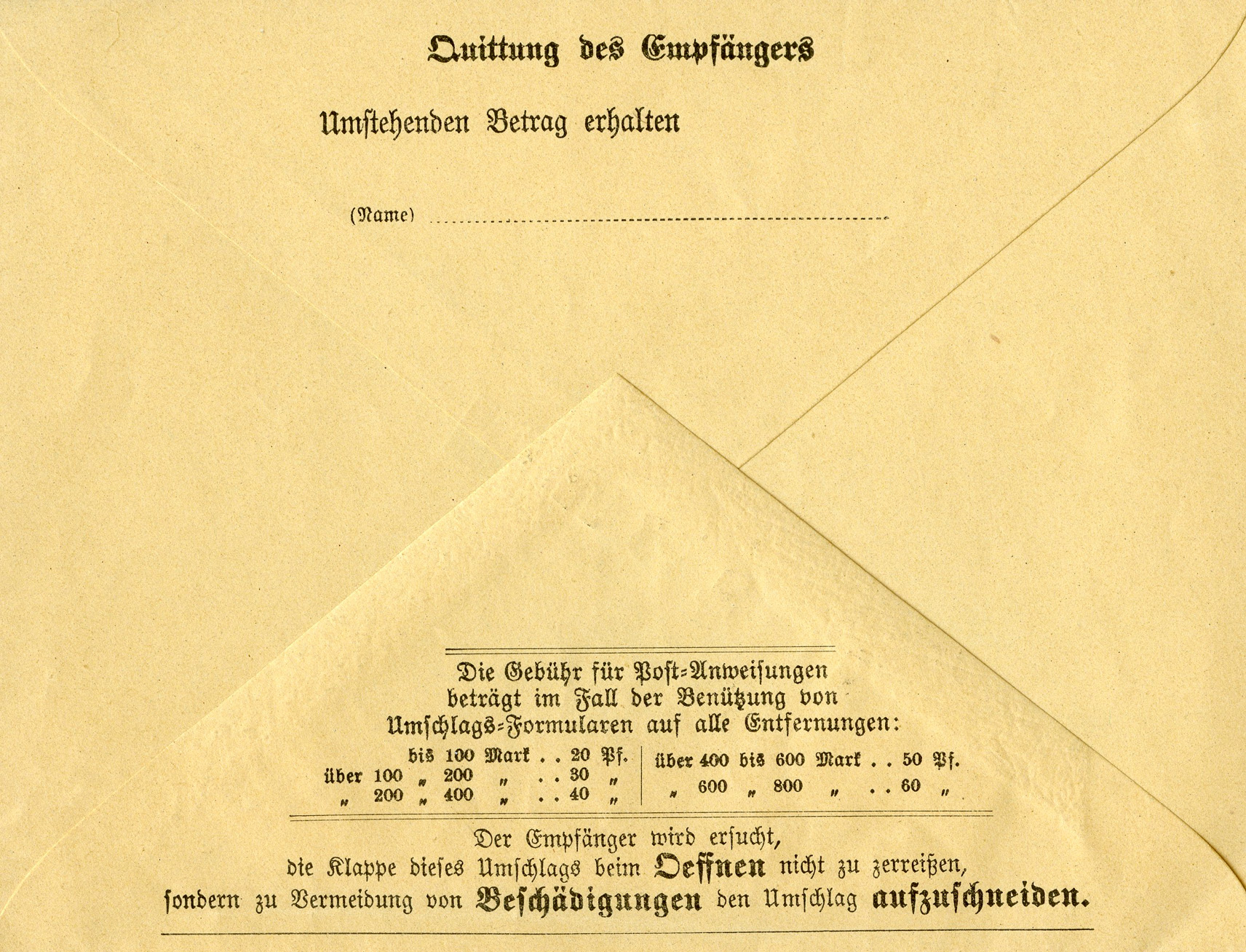
[Below: Envelope reverse. Note the printing is upside down, perhaps it was meant to be seen from the front of the envelope. This is something they would fix on the released version, I'm guessing.]