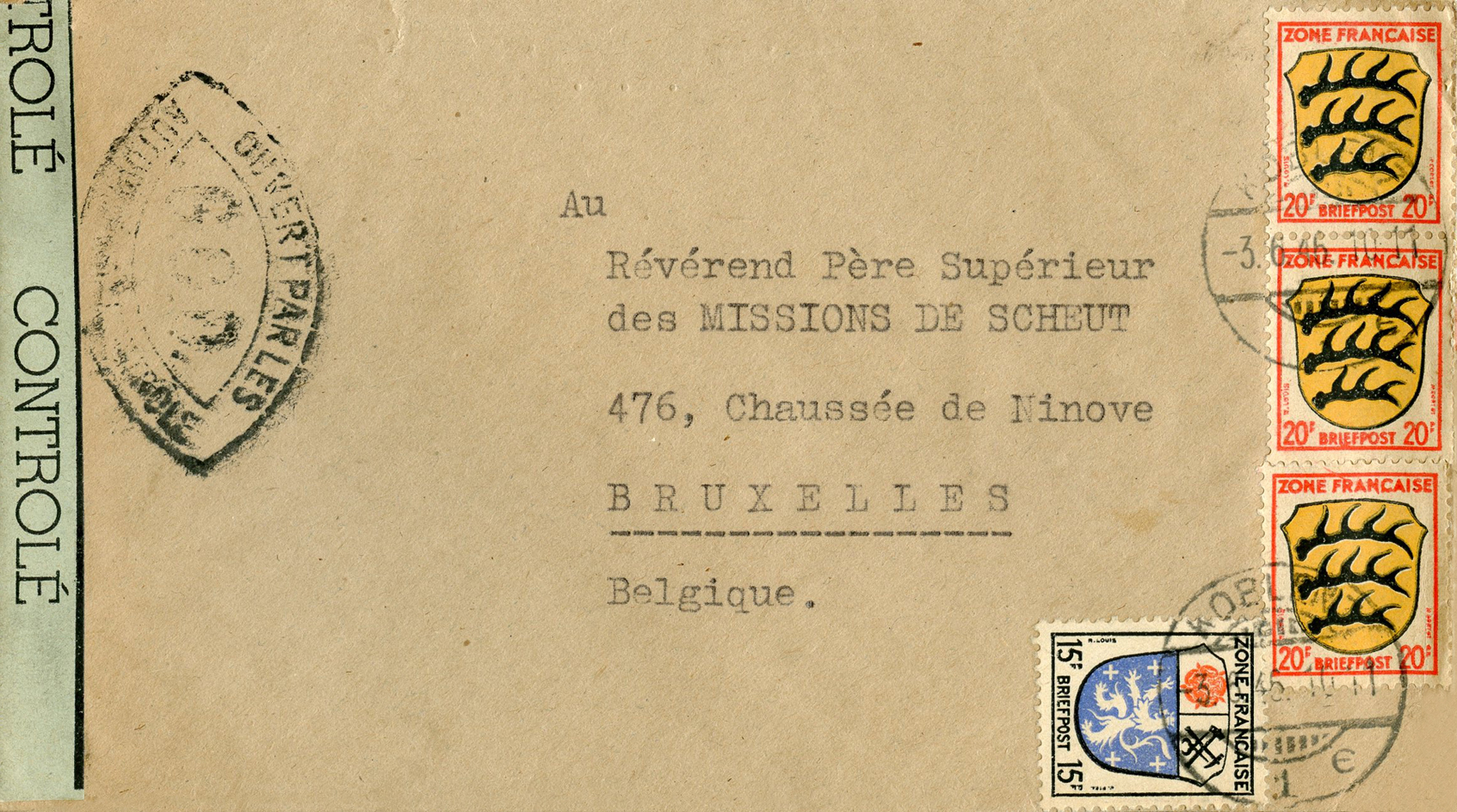
[Below: This is from French Occupied Germany, with French censor tape on the left, dated June 3, 1946.]
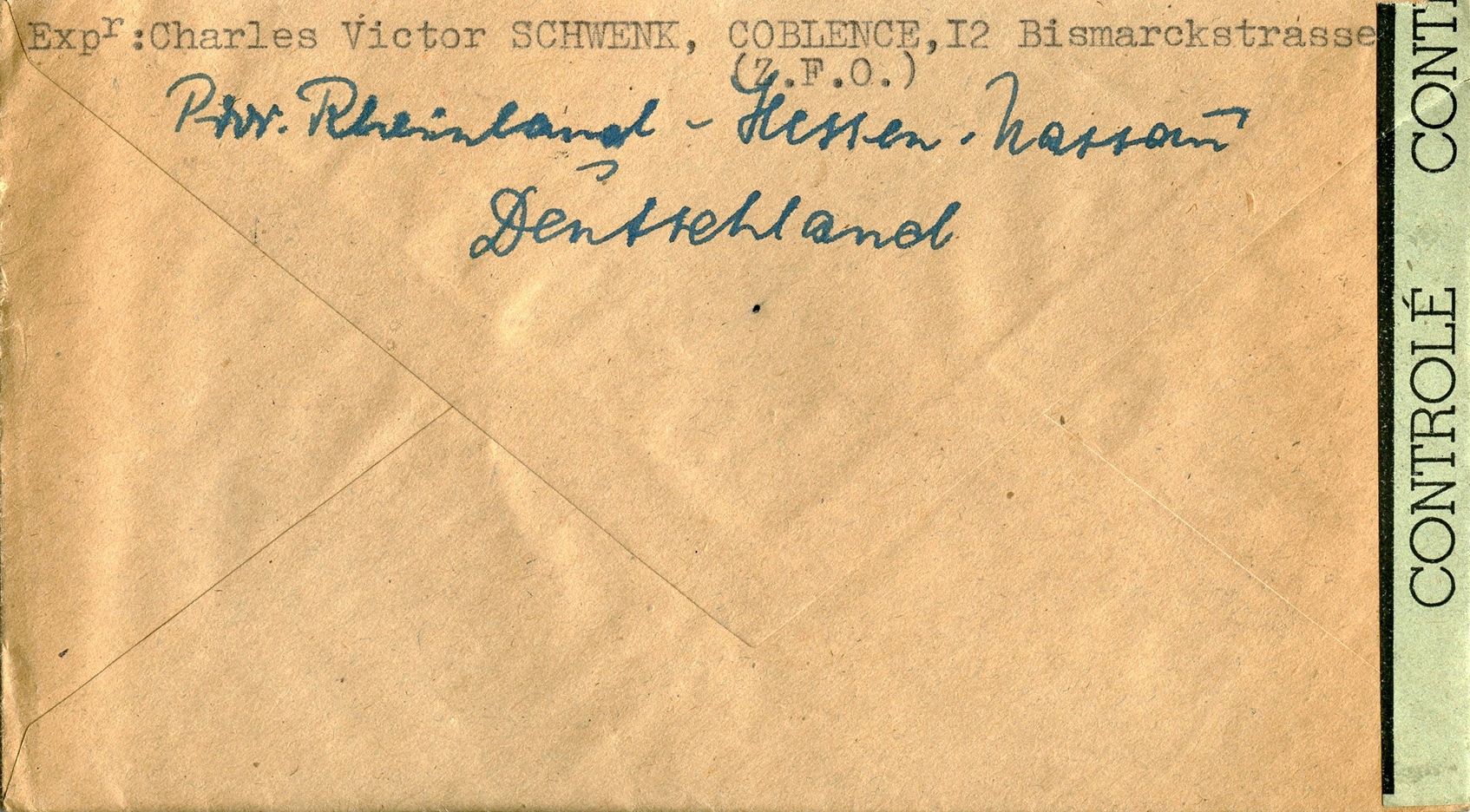
[Below: Reverse.]
[Below: This is from the Netherlands, sent to Germany, dated September 4, 1947. It has Allied occupation censor tape when it arrived in Germany. To think that they were still opening German mail YEARS after the war...]

[Below: Reverse.]

[Below: Close-up.]

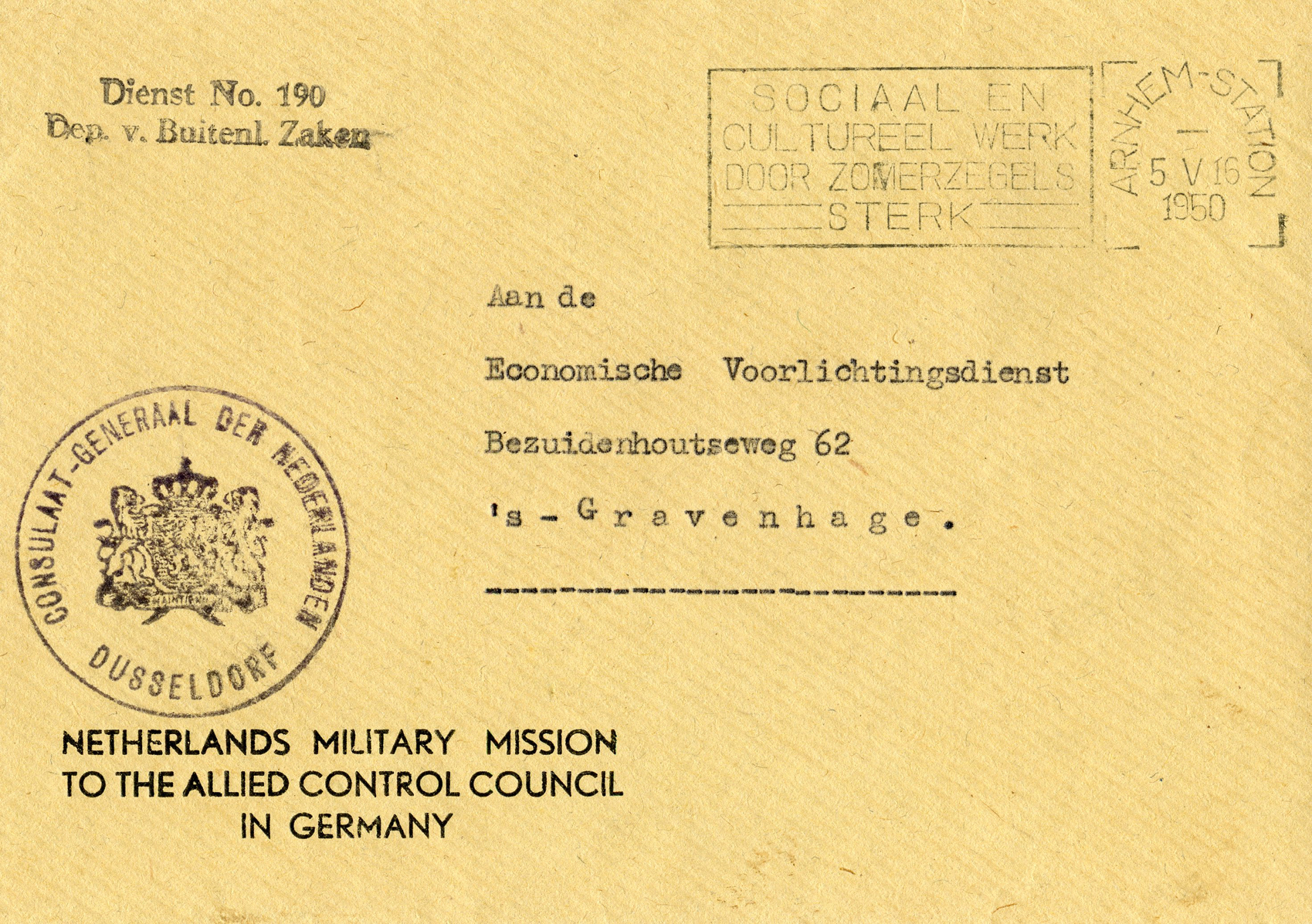
[Below: This is from the Consulate-General of the Netherlands, from the Netherlands Military Mission to the Allied Control Council in Germany, May 5, 1950. The Netherlands Military Mission to the Allied Control Council 'was a diplomatic and military delegation established by the Dutch government after World War II. Its primary purpose was to represent Dutch interests to the four-power occupation authorities governing Germany and coordinate matters like territorial reparations, repatriation of displaced persons, and demilitarization.']
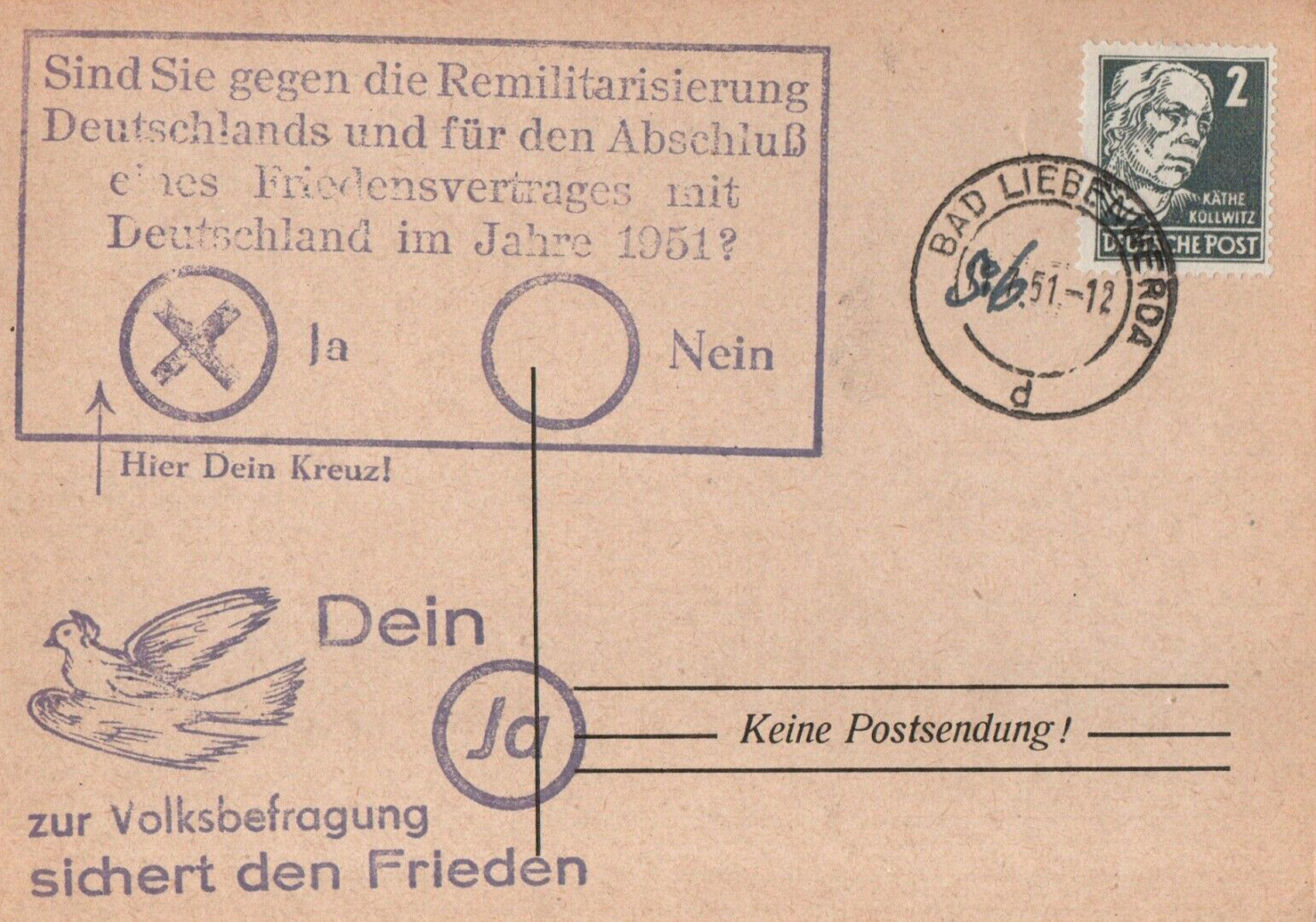
[Below: This is an odd postcard from Occupied Germany, the Russian German Democratic Republic, to be exact. It says: 'Are you against the remilitarization of Germany and in favor of concluding a peace treaty with Germany in 1951? Your vote in the referendum secures peace.' This was against West German plans for rearming West Germany as part of NATO. Interesting how 'Yes' is already marked! Over 95% of voters ironically voted yes, according to the communist overseers.]
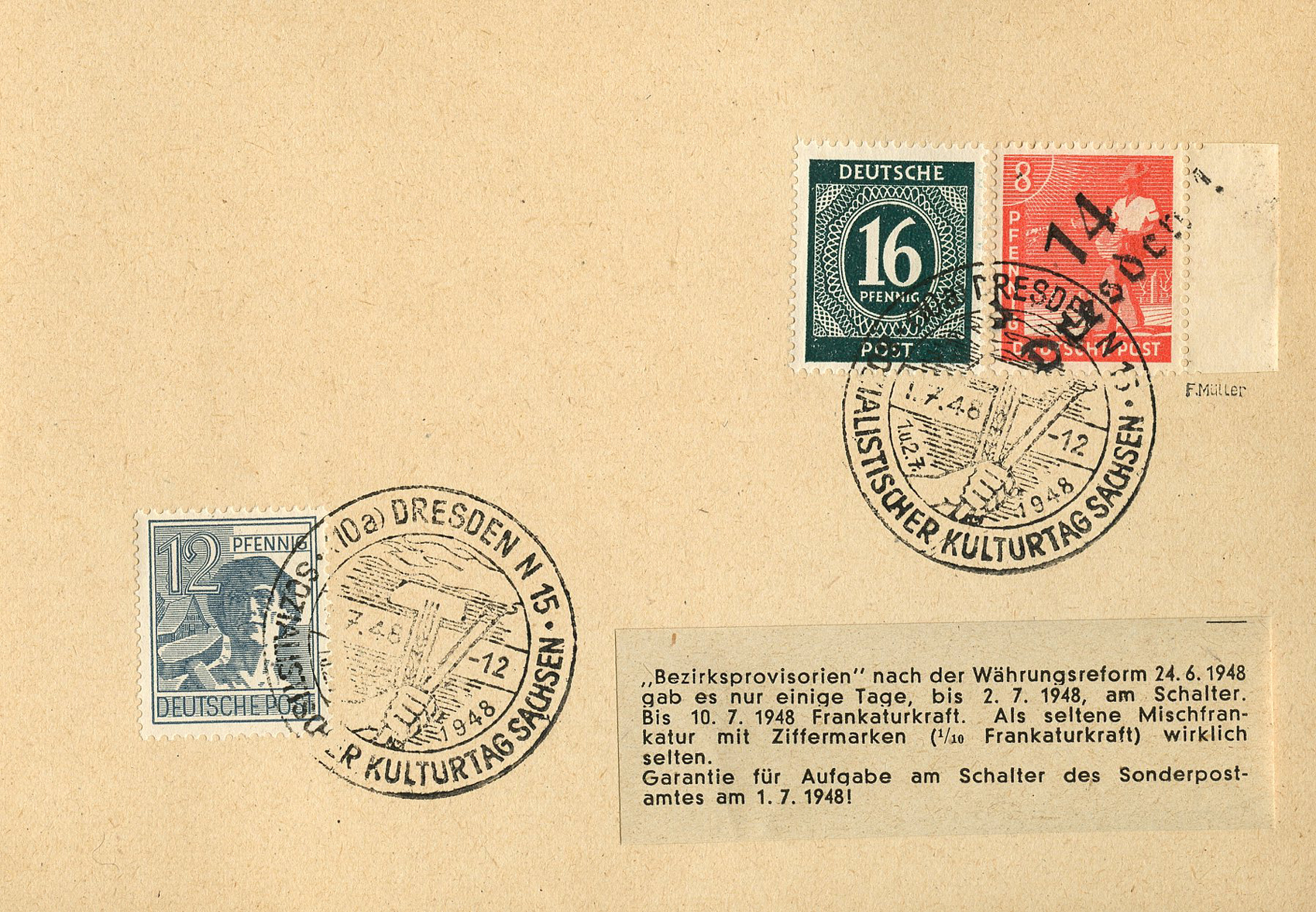
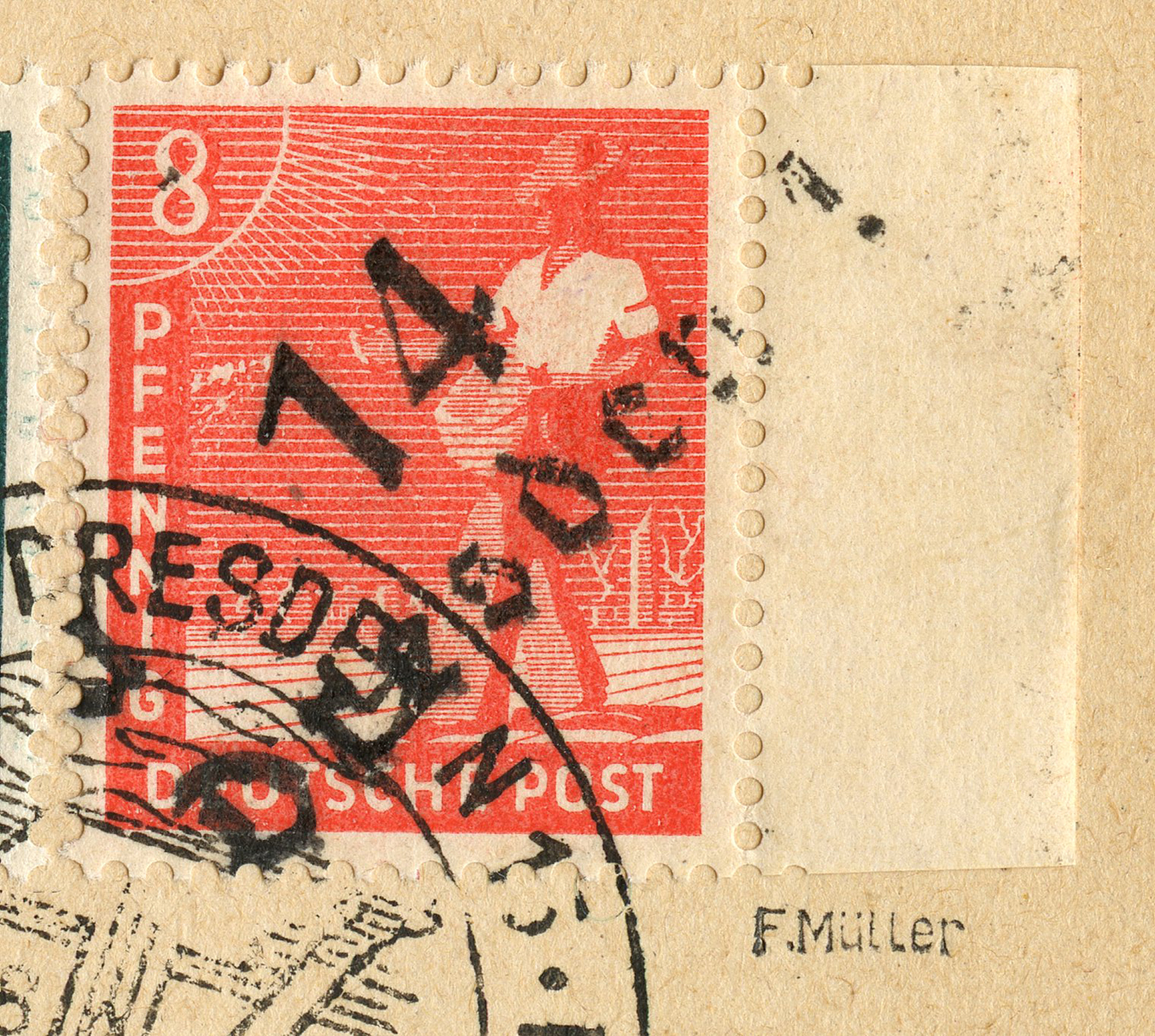
[Below: This is a postcard with a postage stamp with a relatively rare overprint. Note the 'F. Müller' stamp beneath the postage stamp on the right, this is an expertization mark by an expert, to insure it is not a fake overprint. The label with words explains the stamp, saying:
'"District Provisional Stamps" after the currency reform of June 24, 1948, were only available for a few days, until July 2, 1948, at the counter. Valid until July 10, 1948. As a rare mixed stamp with numeral stamps (1/10 valid stamp value), truly rare. Guarantee for posting at the counter of the special post office on July 1, 1948! PENNY 10a) DRESDEN N 15 12 R. CULTURAL DAY SAXONY 1948'
Postmarked on July 1, 1948.]
[Below: Close-up.]
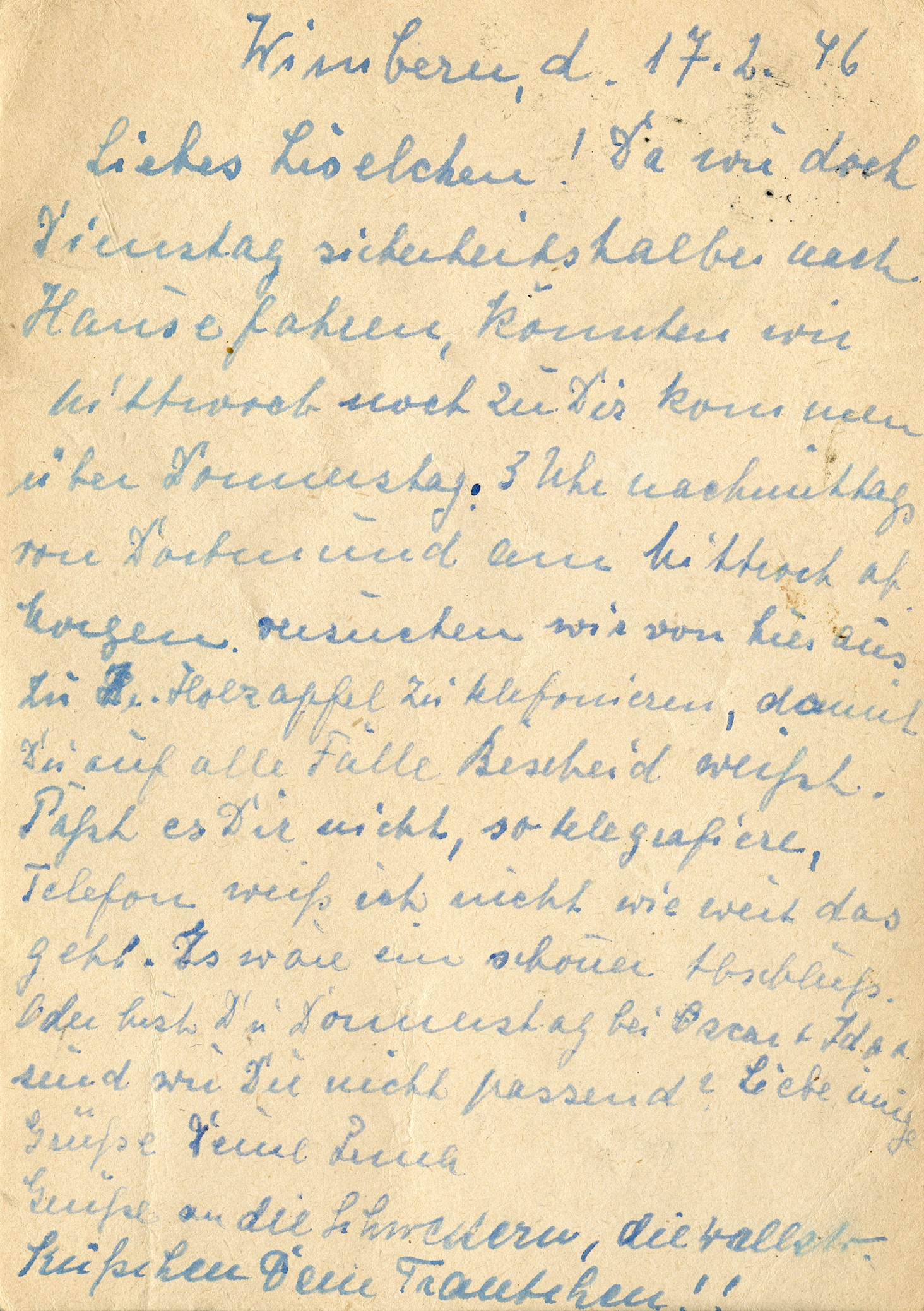
[Below: Reverse.]
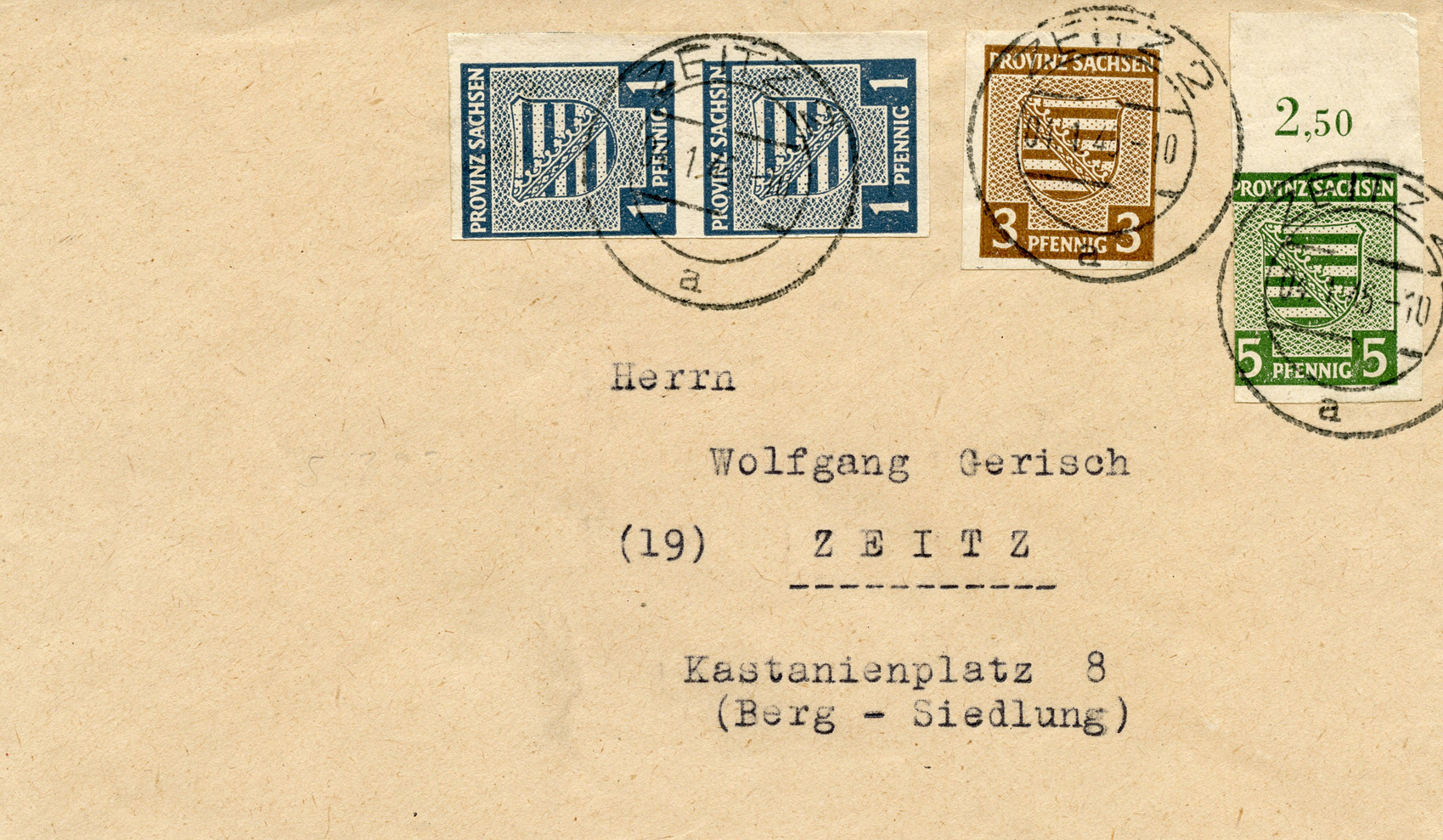
[Below: These are 'local' postage stamps, from Sachsen. From many months after the end of WWII there were stamp shortages throughout Germany. To facilitate the need for postage, various areas were allowed to create their own postage stamps, sometimes resulting in very rare stamps in the future collecting world. January 4, 1946.]
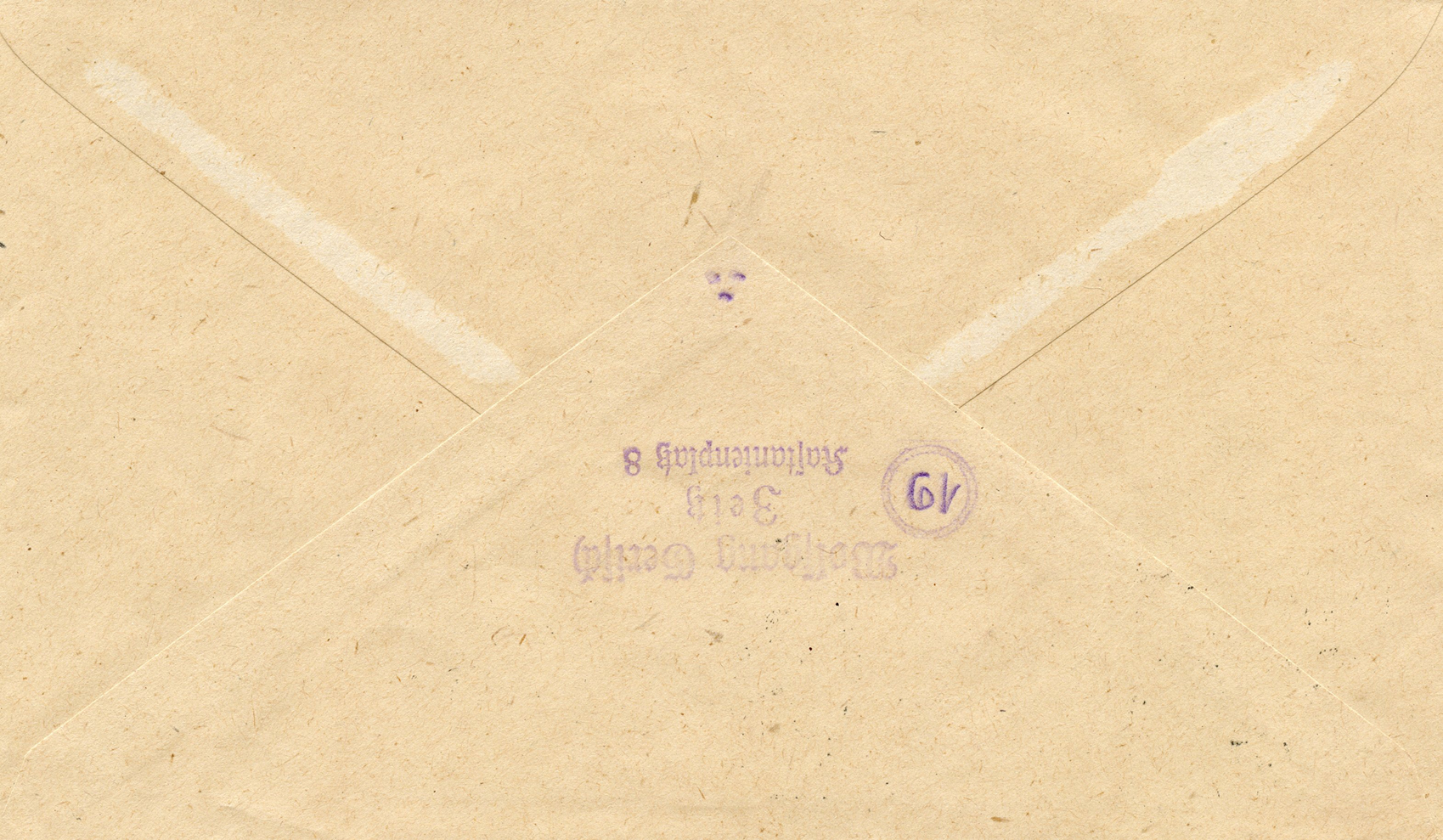
[Below: Reverse.]
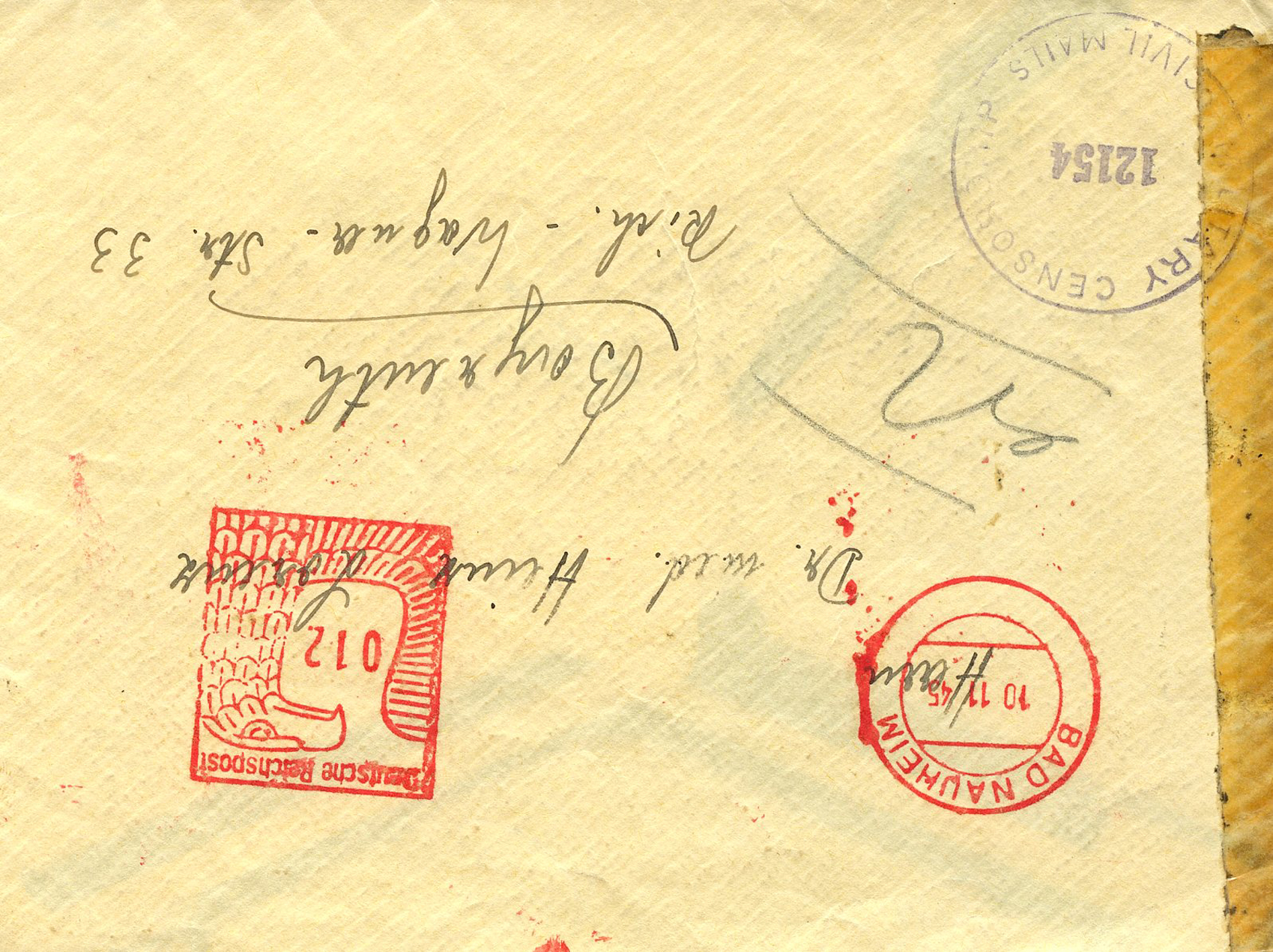
[Below: This is a very rare meter mail design, in that it shows a stern-looking eagle, something the Allied occupiers didn't normally allow. In fact, on many 'de-Nazified' ink postage stamp cancels they beheaded the eagle of the Third Reich. Dated November 10, 1945.]
[Below: Close-up.]

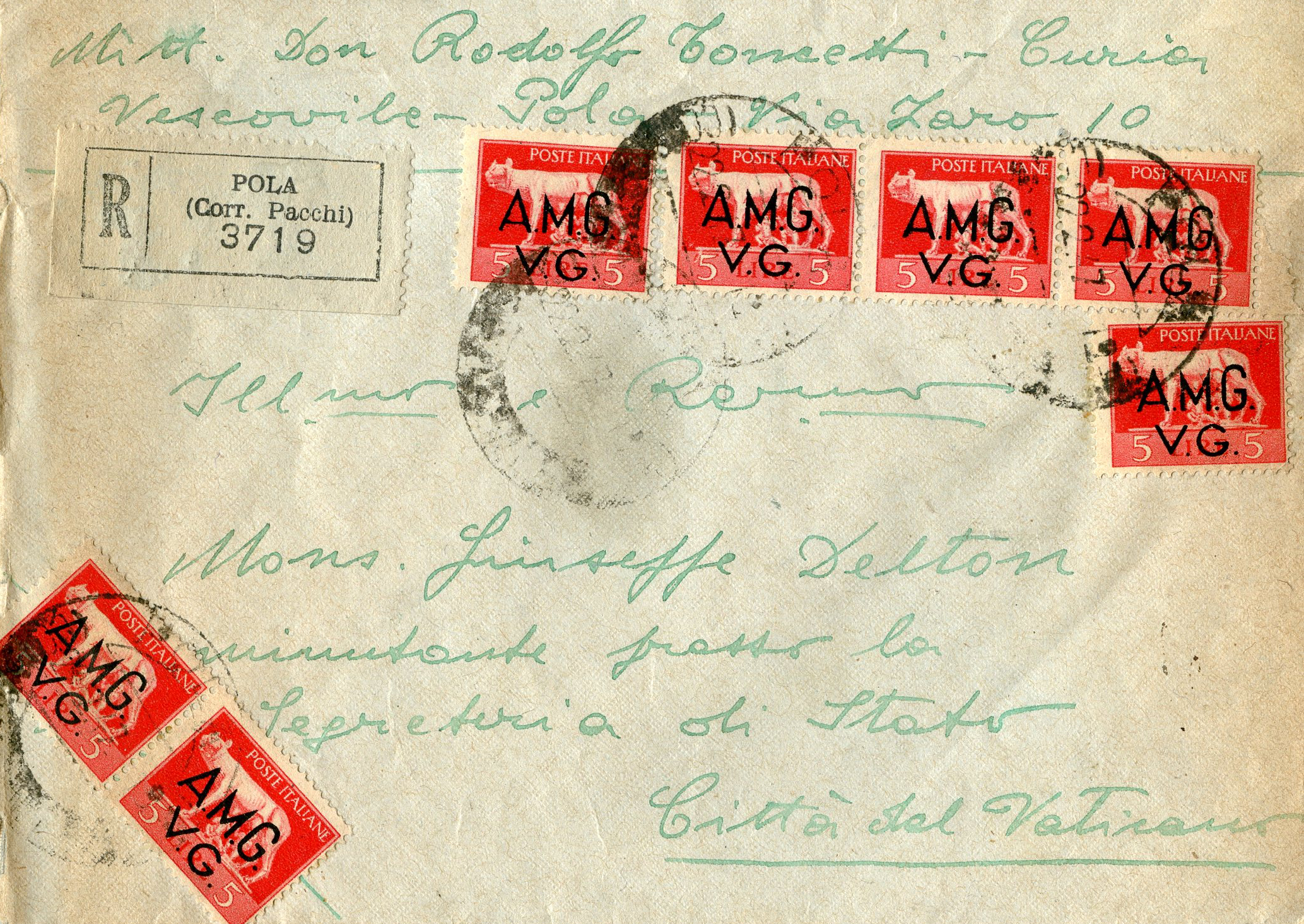
[Below: Here is an example of Allied occupation overprinting of Italian postage stamps. 'AMG' stand for Allied Military Government, while 'V.G.' stands for Venezia Giulia, a region including Trieste and Pola. Dated February 22, 1947.]
[Below: Close-up.]

[Below: This uses local postage stamps from Russian occupied East Berlin and Spremberg, also occupied by the Russians. This was usually done for stamp collecting reasons. Dated March 18, 1946.]

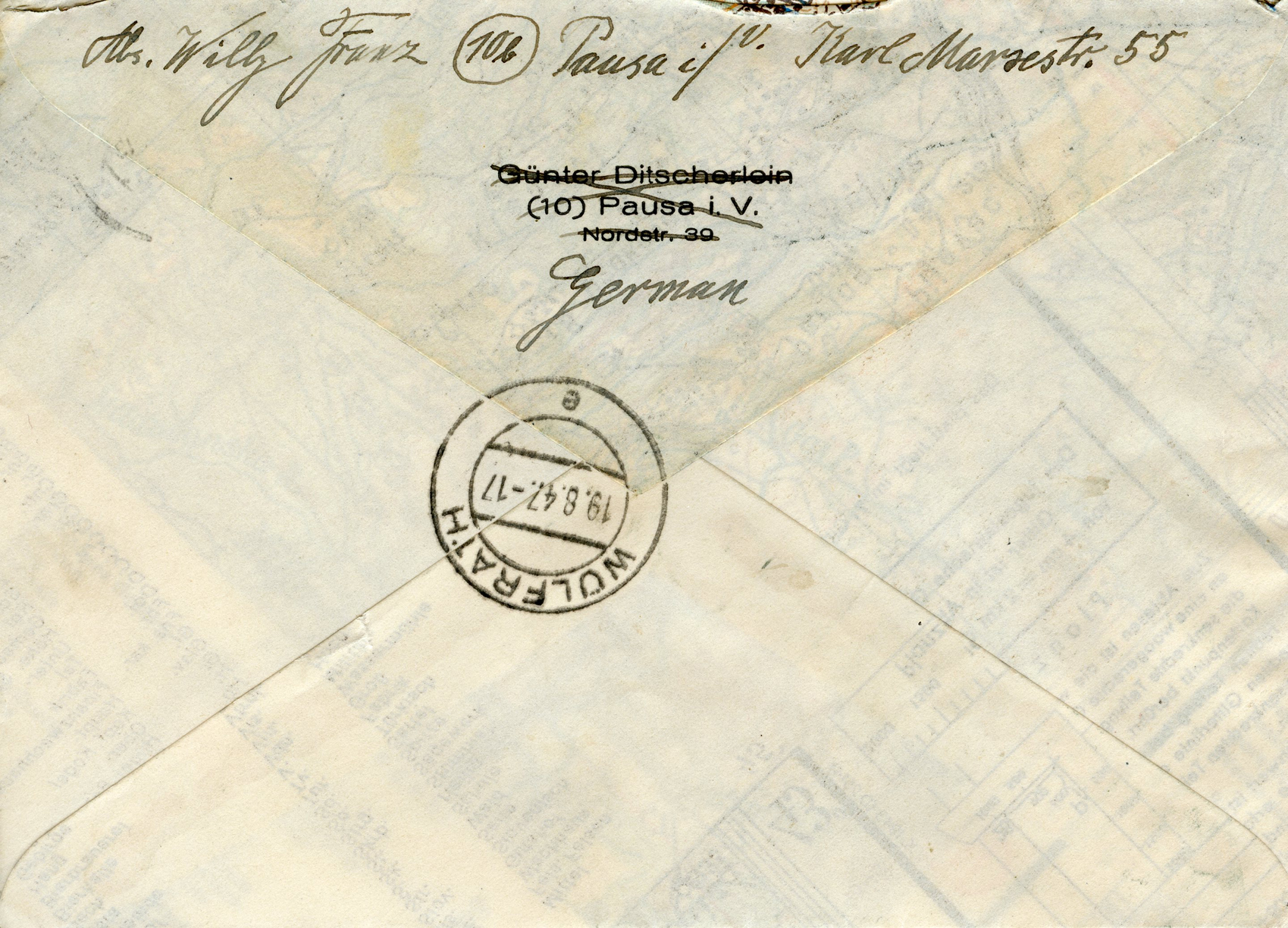
[Below: This envelope is made from a map. This is an example of the severe paper shortages for years in Germany after the war. Dated August 8, 1947.]

[Below: Reverse.]
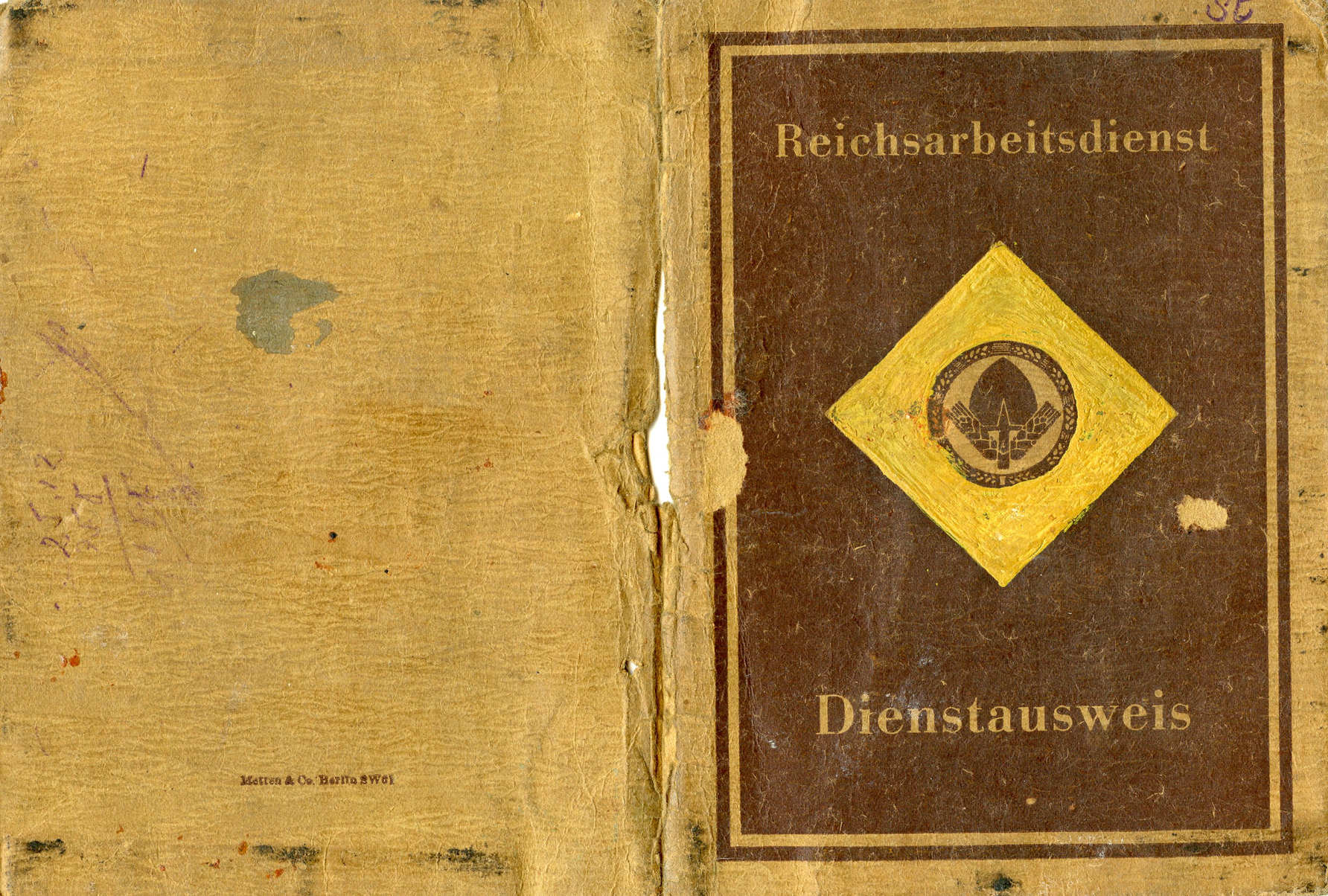
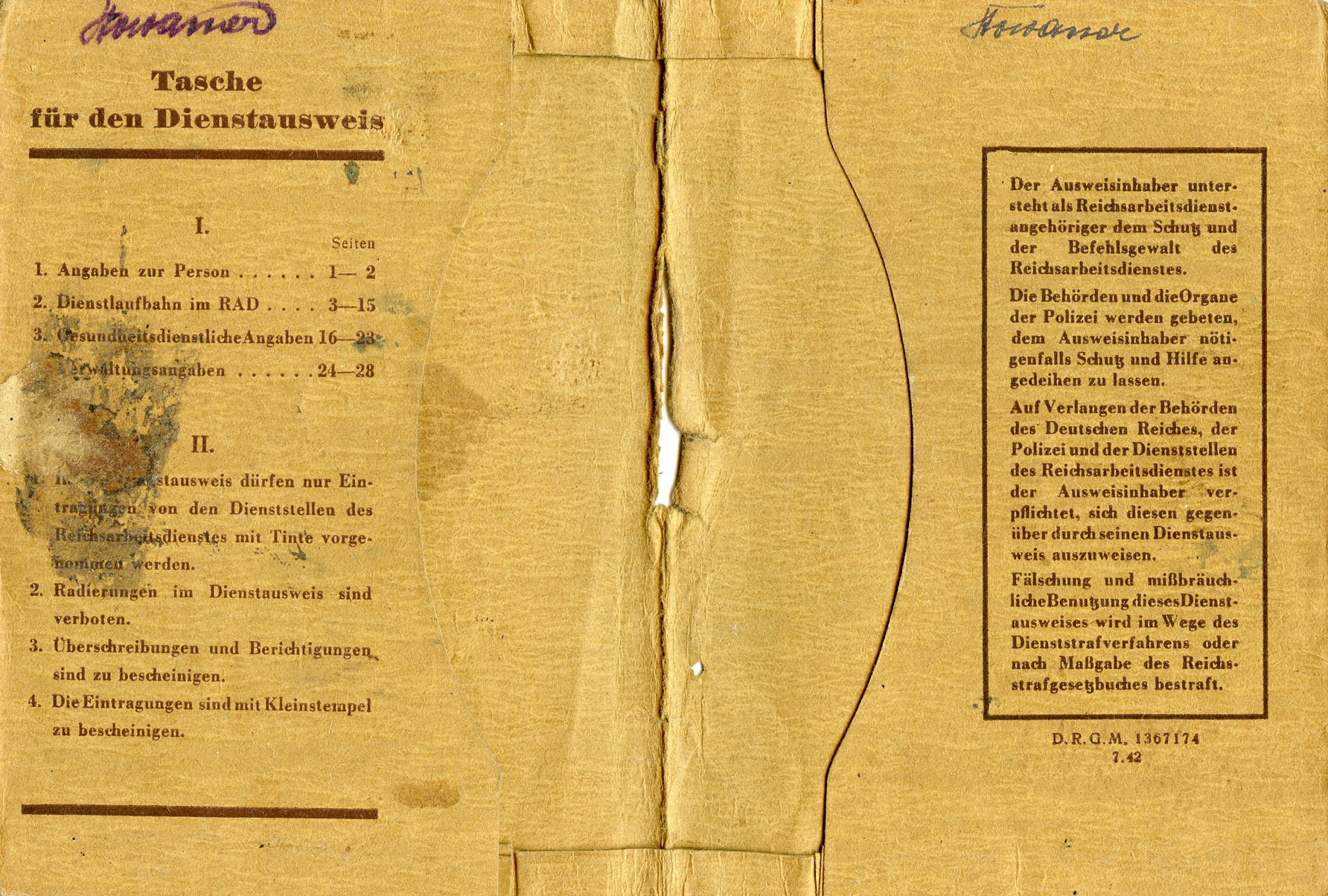
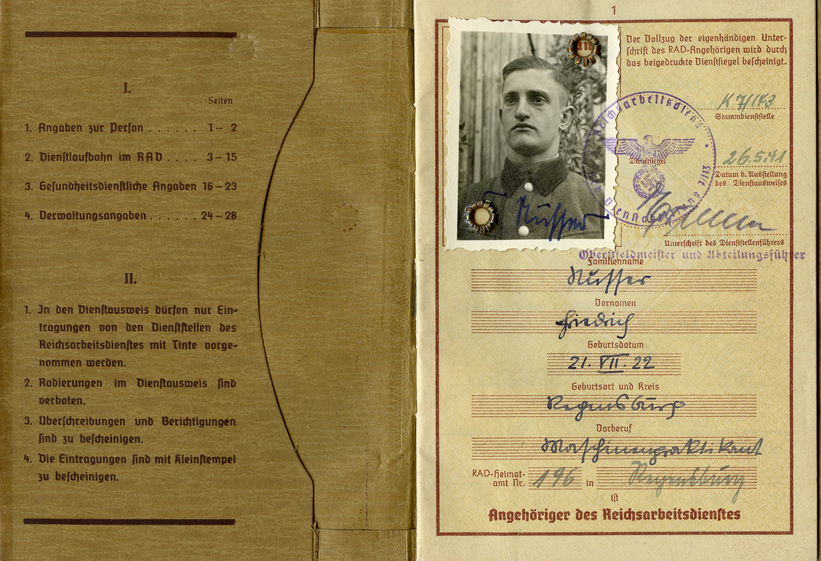
[Below: Here is an example of a Reichsarbeitsdienst (Reich Labor Service) ID booklet that has been 'de-Nazified' by painting a yellow box over the swastika. Reverse/front & inside.]
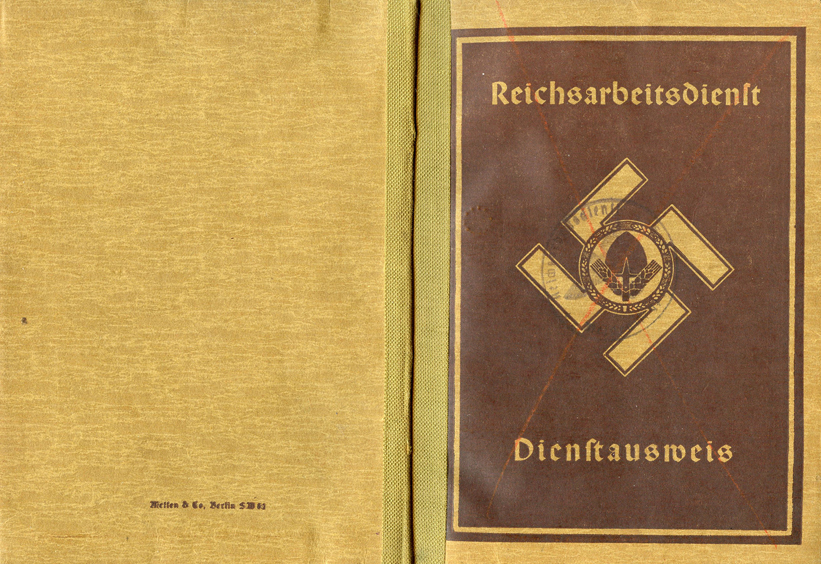
[Below: Here is an original book like that above showing the forbidden symbol. Reverse/front & inside.]
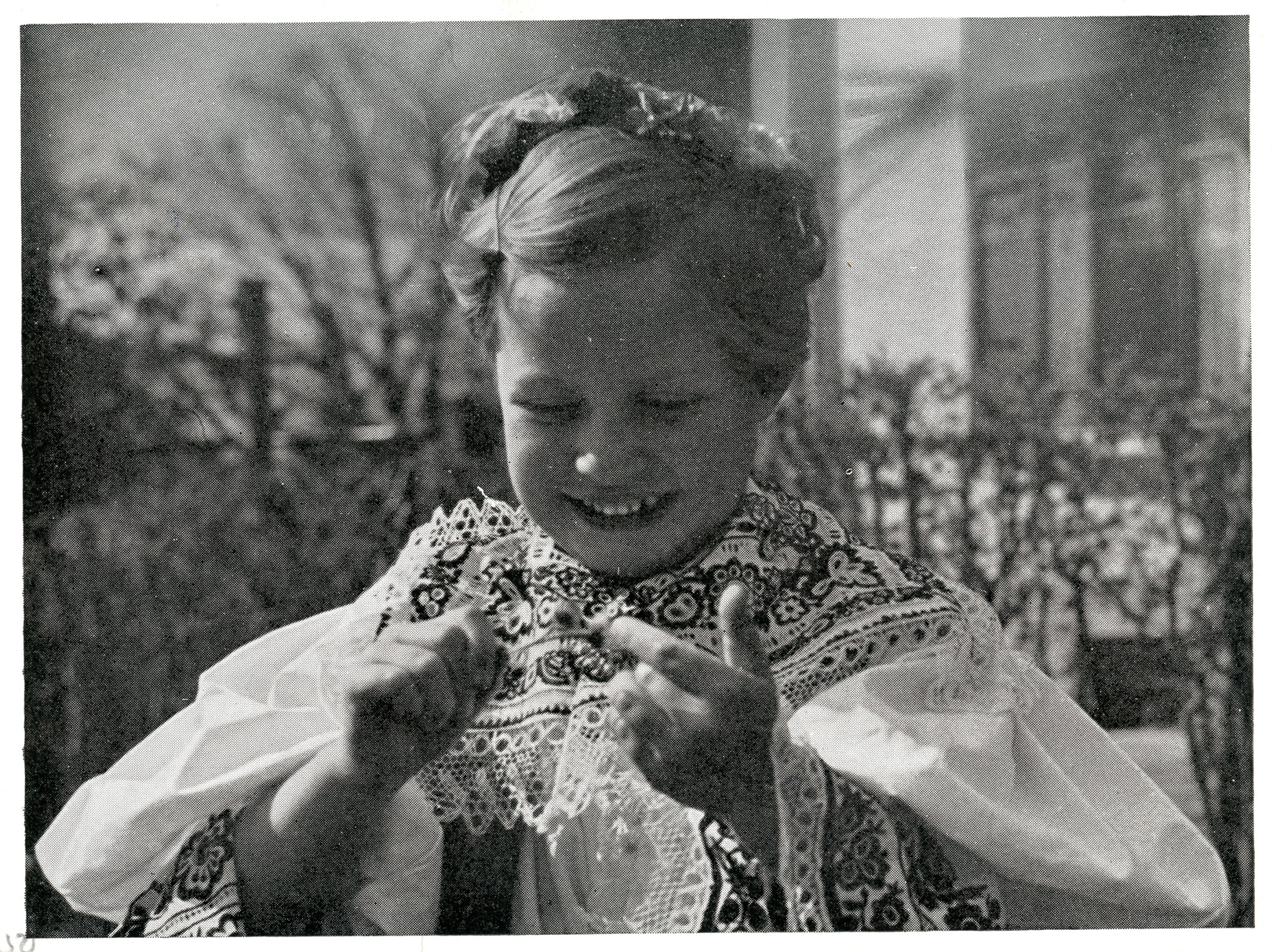
[Below: Czechoslovakian Government in Exile postcard with propaganda postmark. Front.]
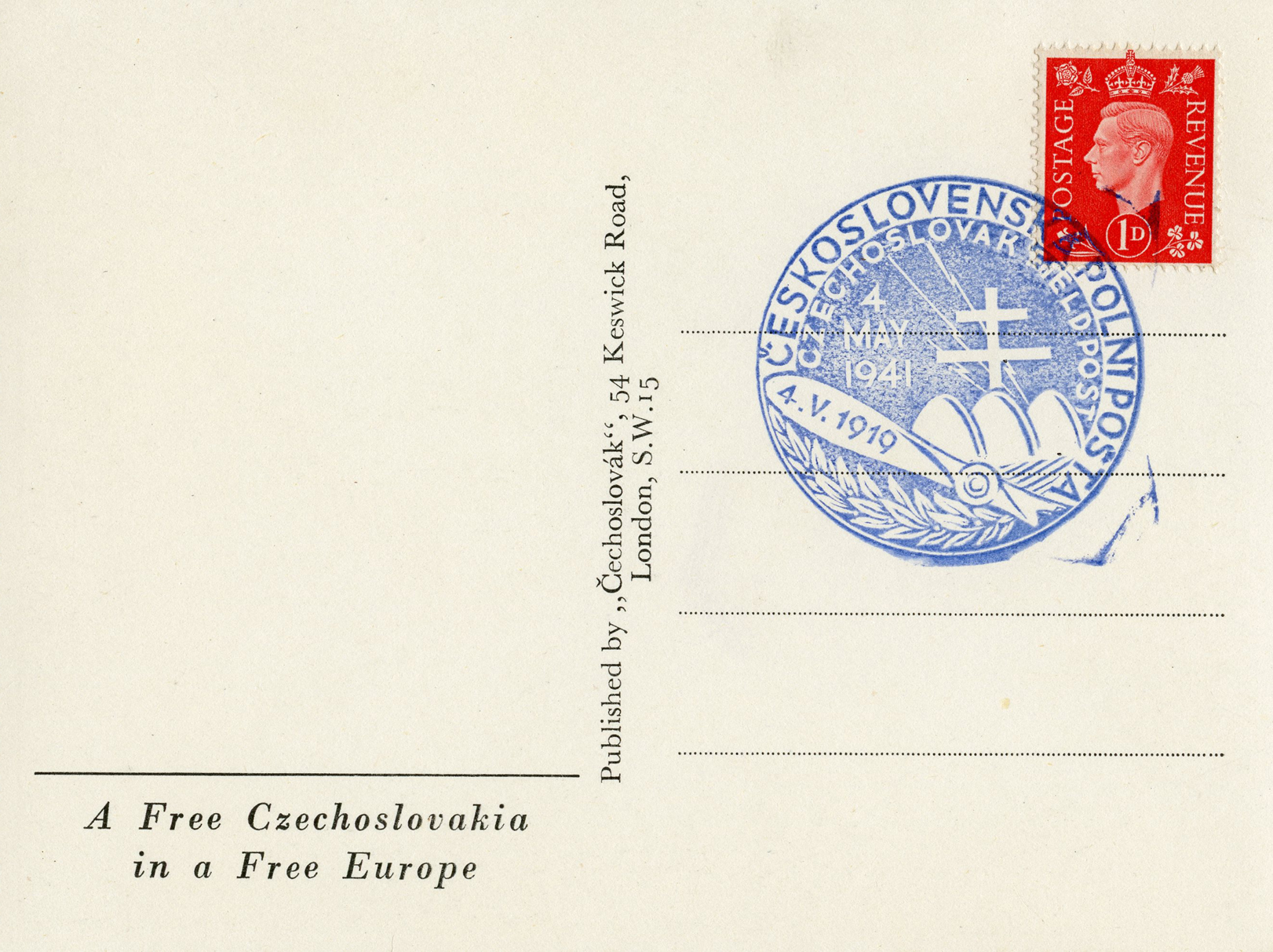
[Below: Czechoslovakian Government in Exile postcard with propaganda postmark, May 4, 1941. Reverse.]
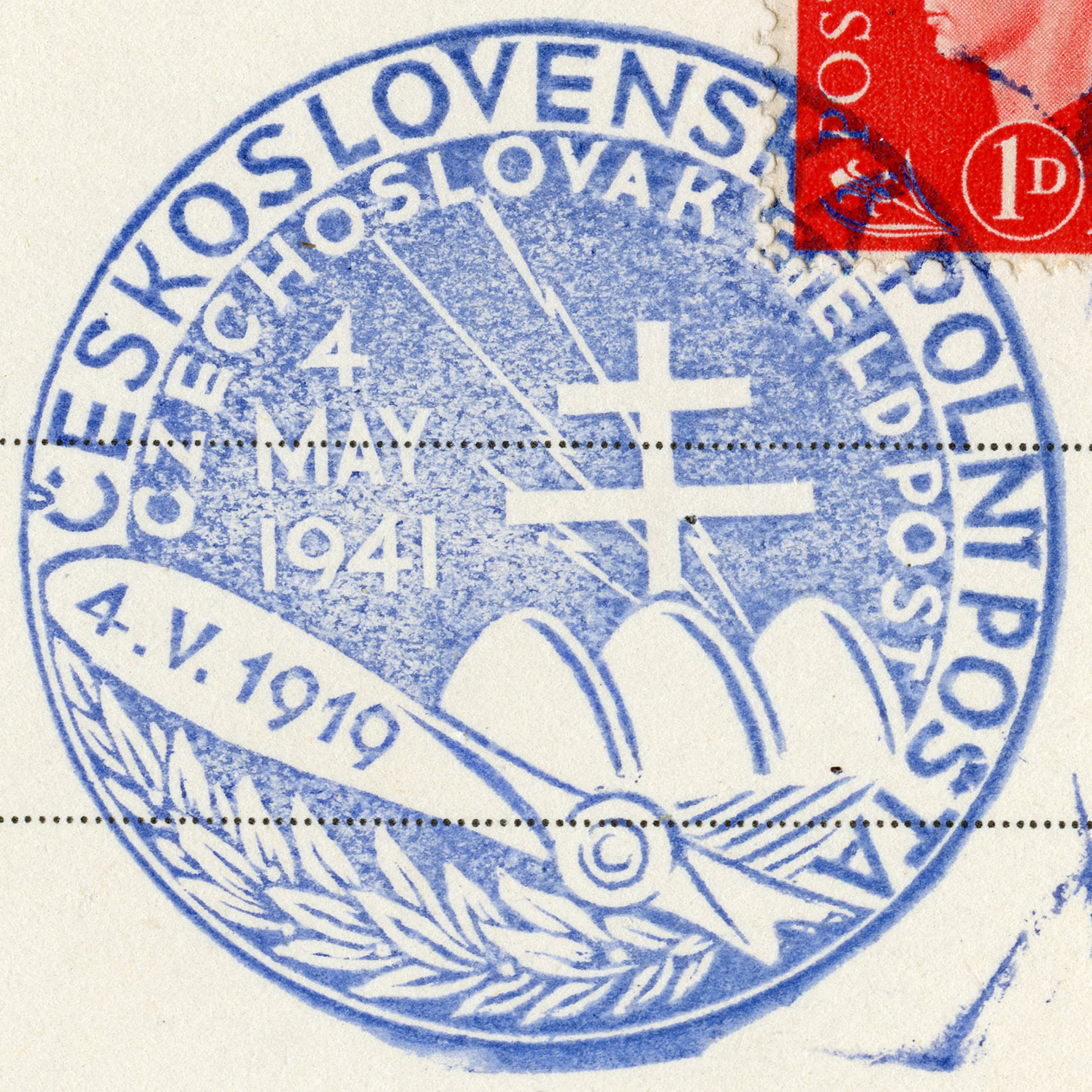
[Below: Czechoslovakian Government in Exile postcard with propaganda postmark. Close-up.]
[Below: Czechoslovakian Government in Exile postcard with propaganda postmark, May 28, 1941. The reverse is blank.]
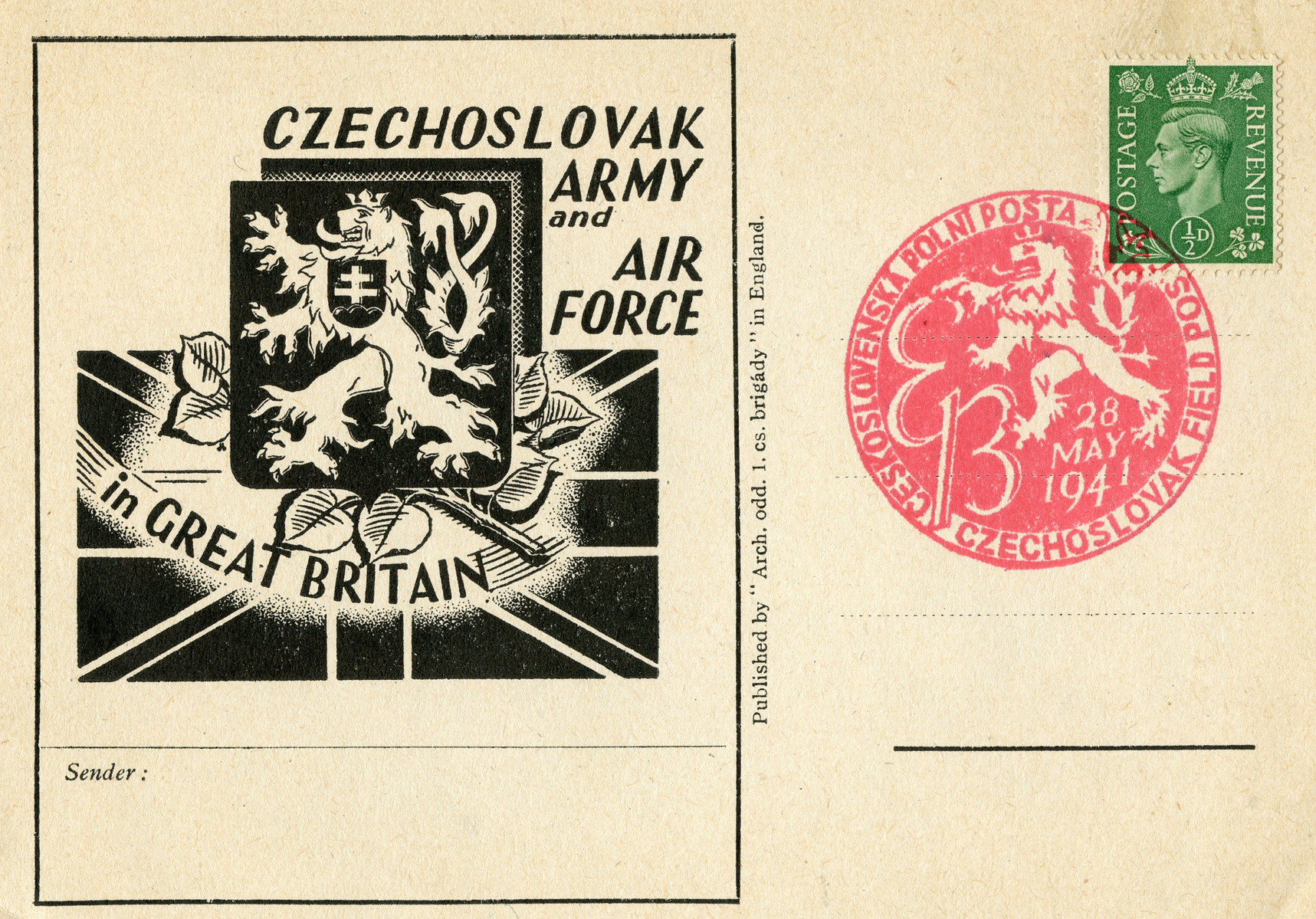
[Below: Czechoslovakian Government in Exile postcard with propaganda postmark. Close-up.]
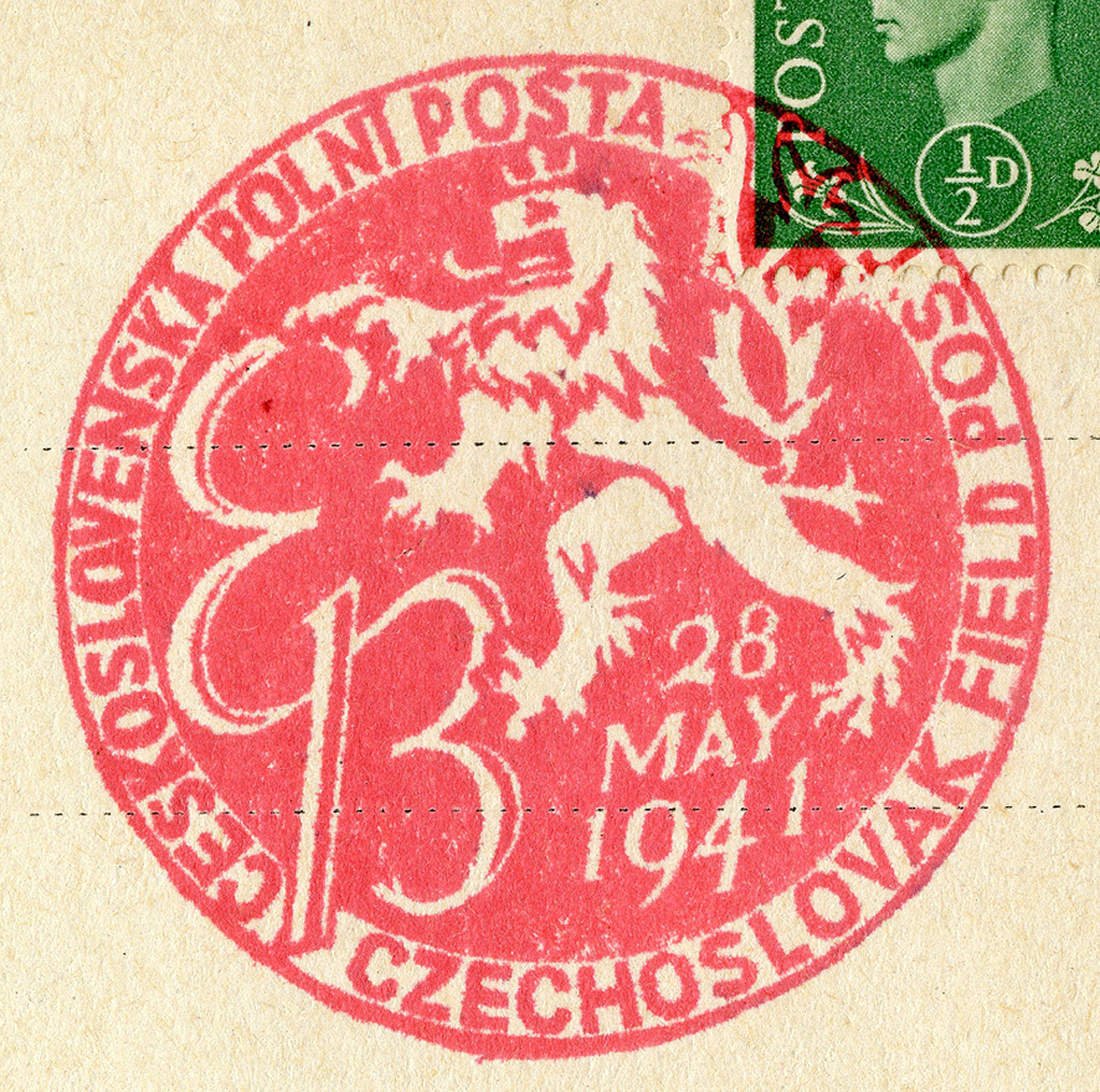
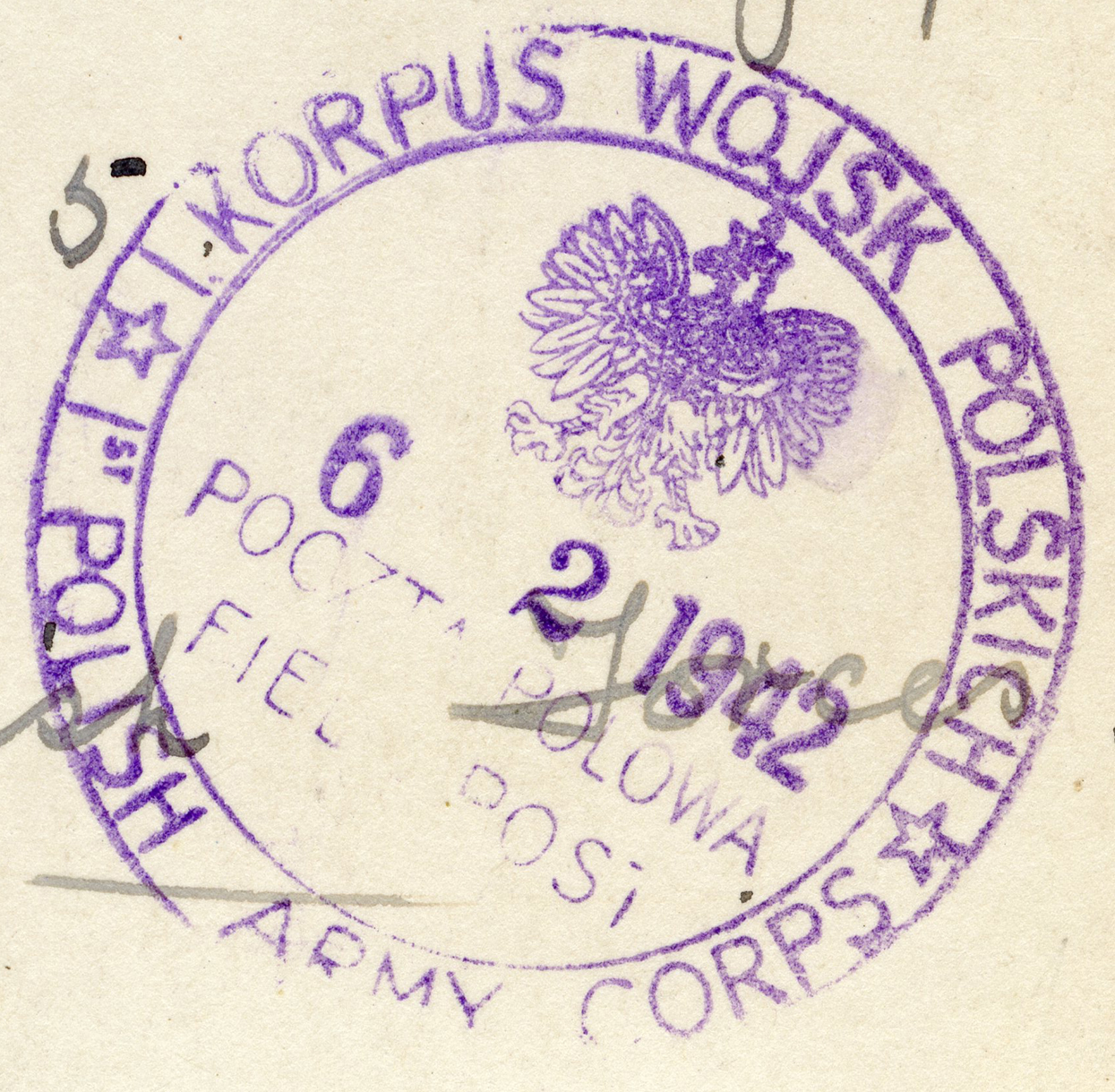
[Below: Polish Government in Exile ('Field Post') postcard with propaganda. Front.]
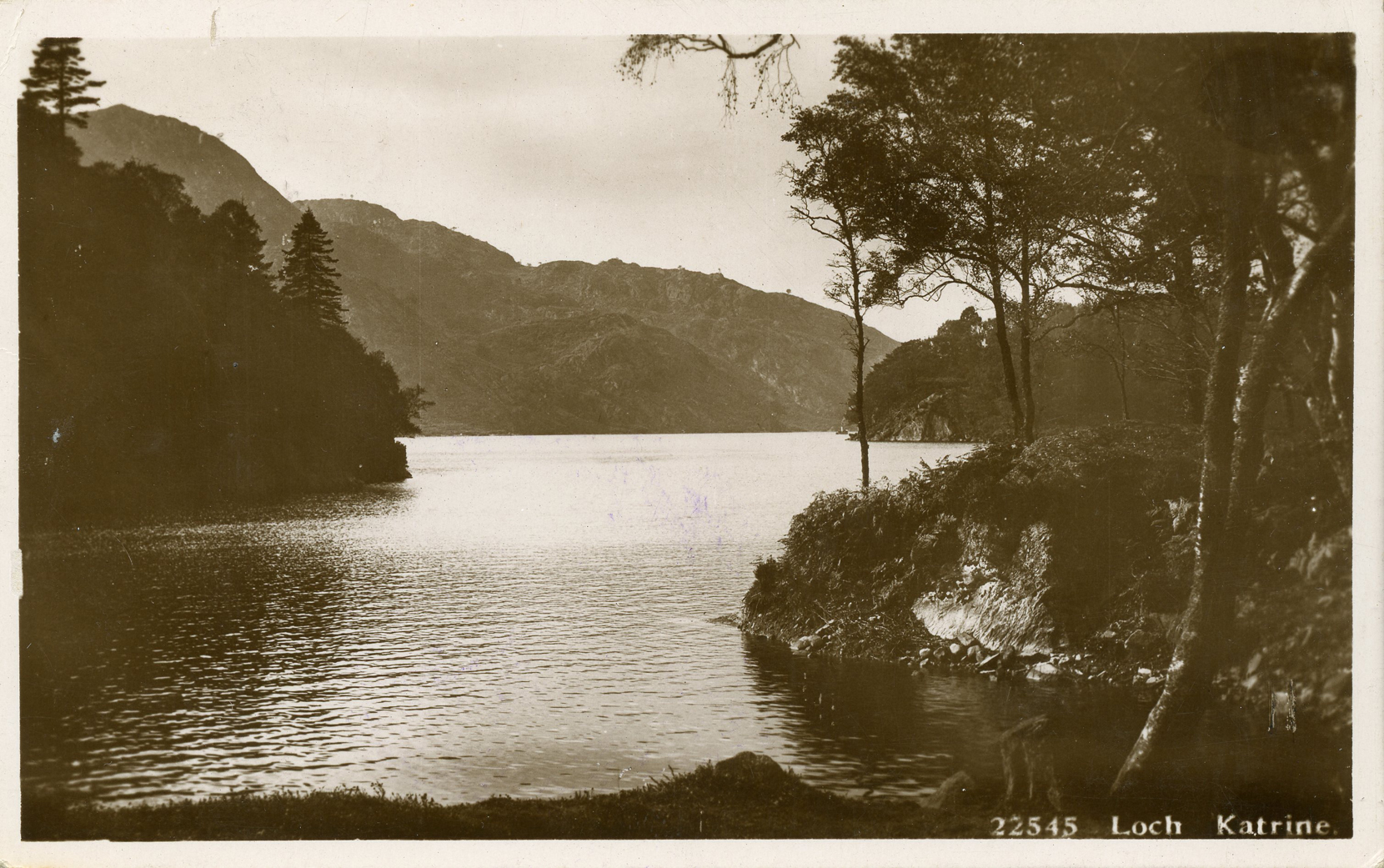
[Below: Polish Government in Exile ('Field Post') postcard with propaganda postmark, February 6, 1942. Reverse.]
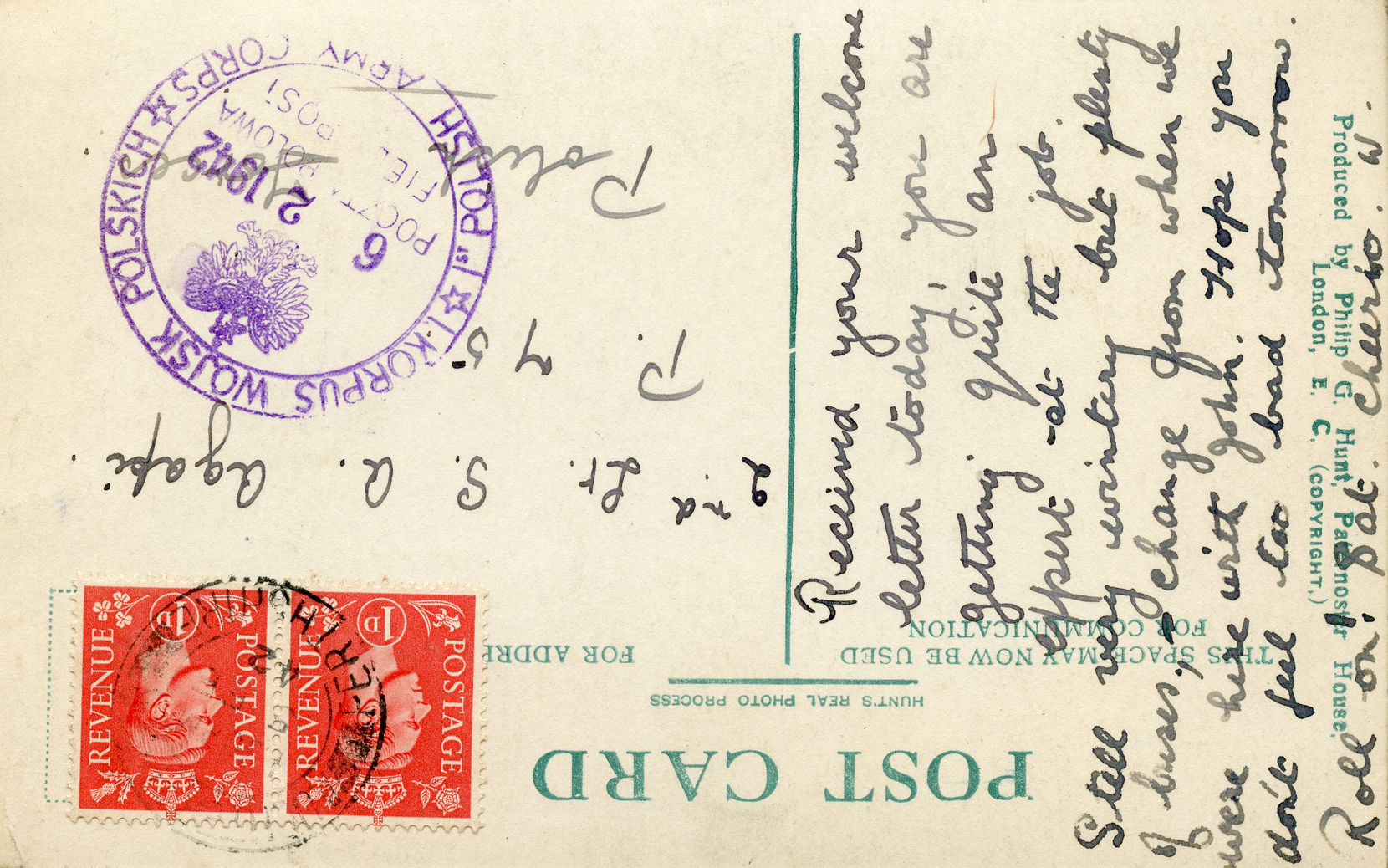
[Below: Polish Government in Exile ('Field Post') postcard with propaganda postmark, February 6, 1942. Close-up.]
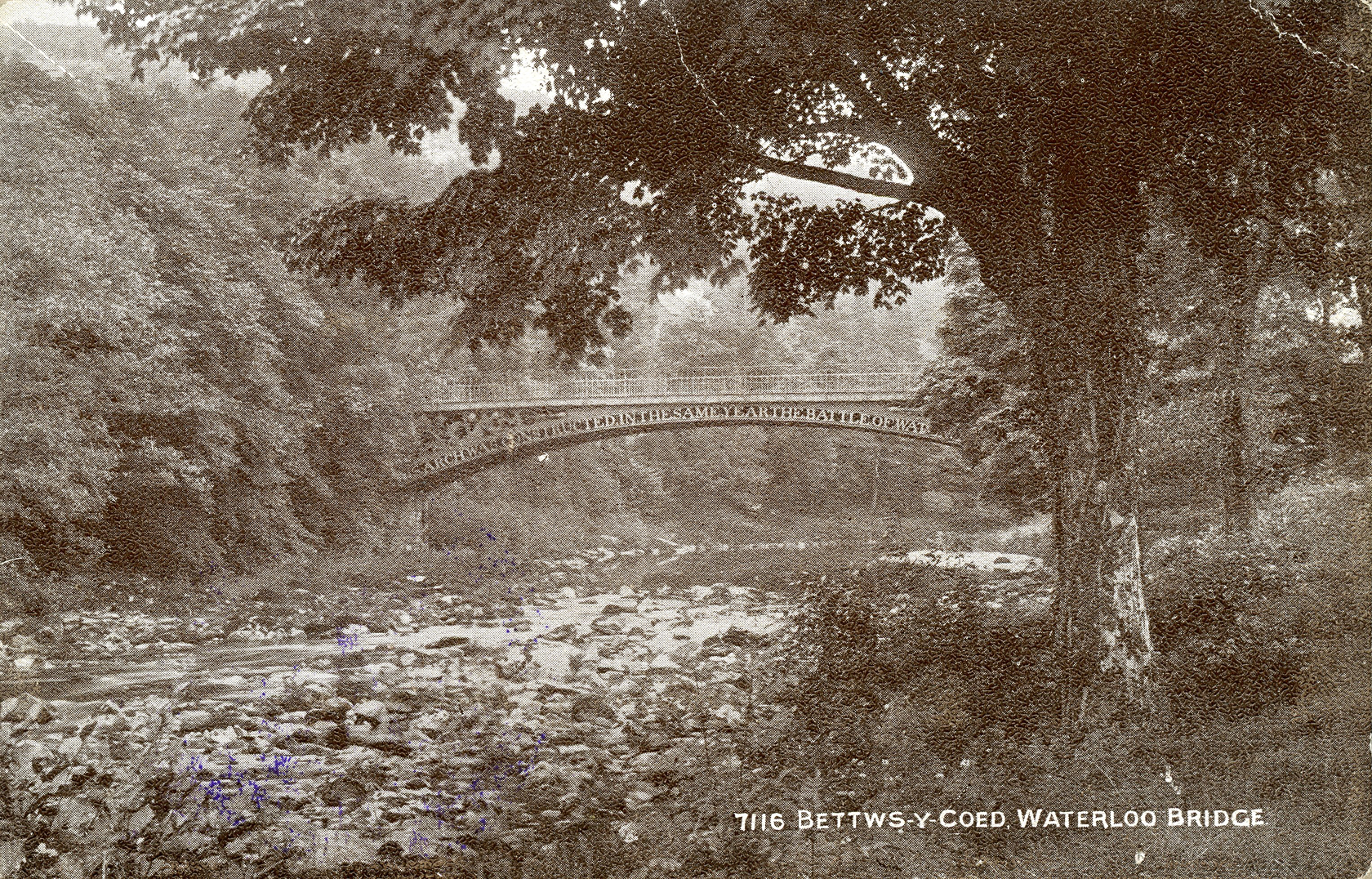
[Below: Polish Government in Exile ('Field Post') postcard, postmarked. Front.]
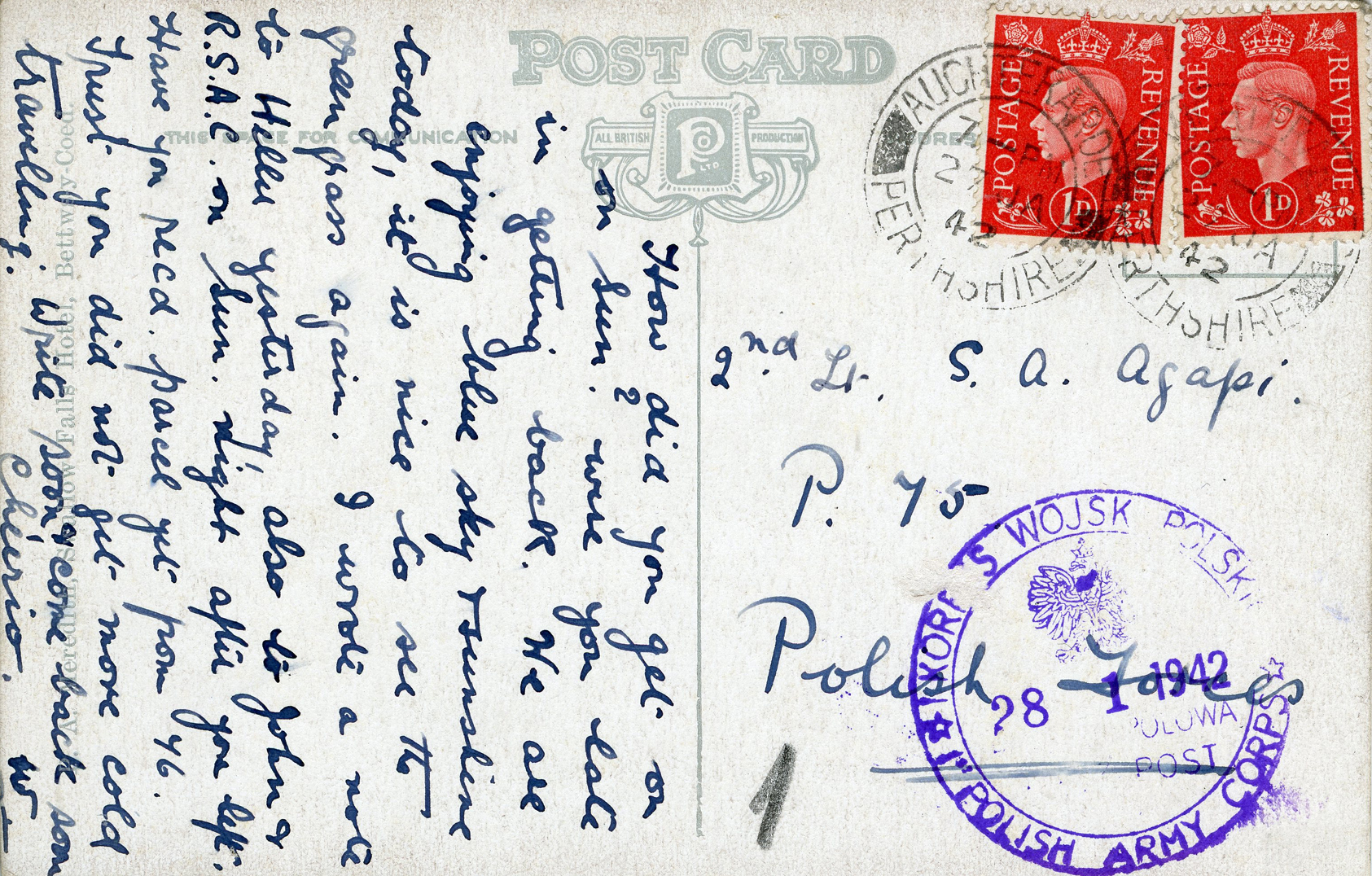
[Below: Polish Government in Exile ('Field Post') postcard, January 28, 1942. Reverse.]
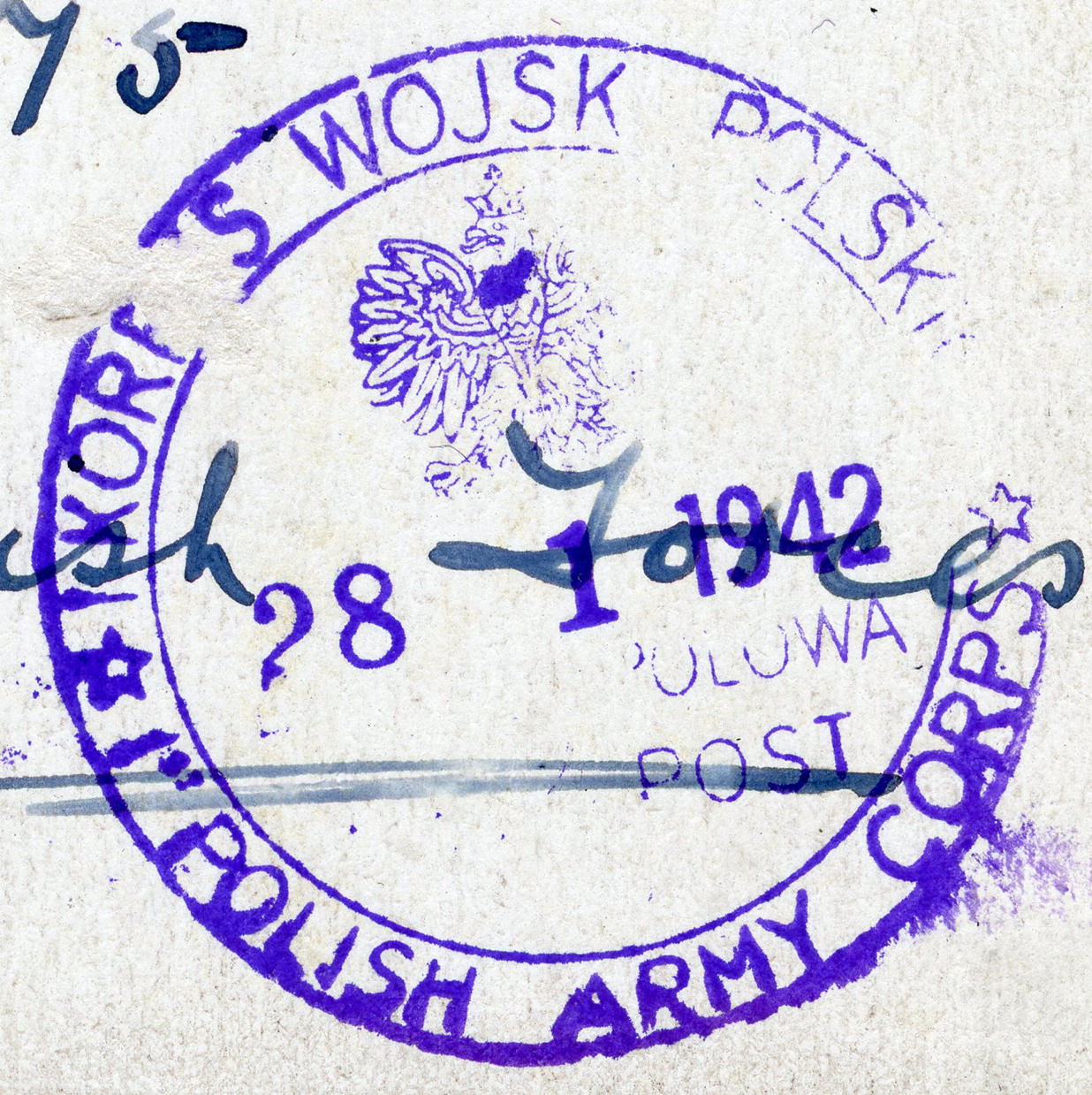
[Below: Polish Government in Exile ('Field Post') postcard, January 28, 1942. Close-up.]
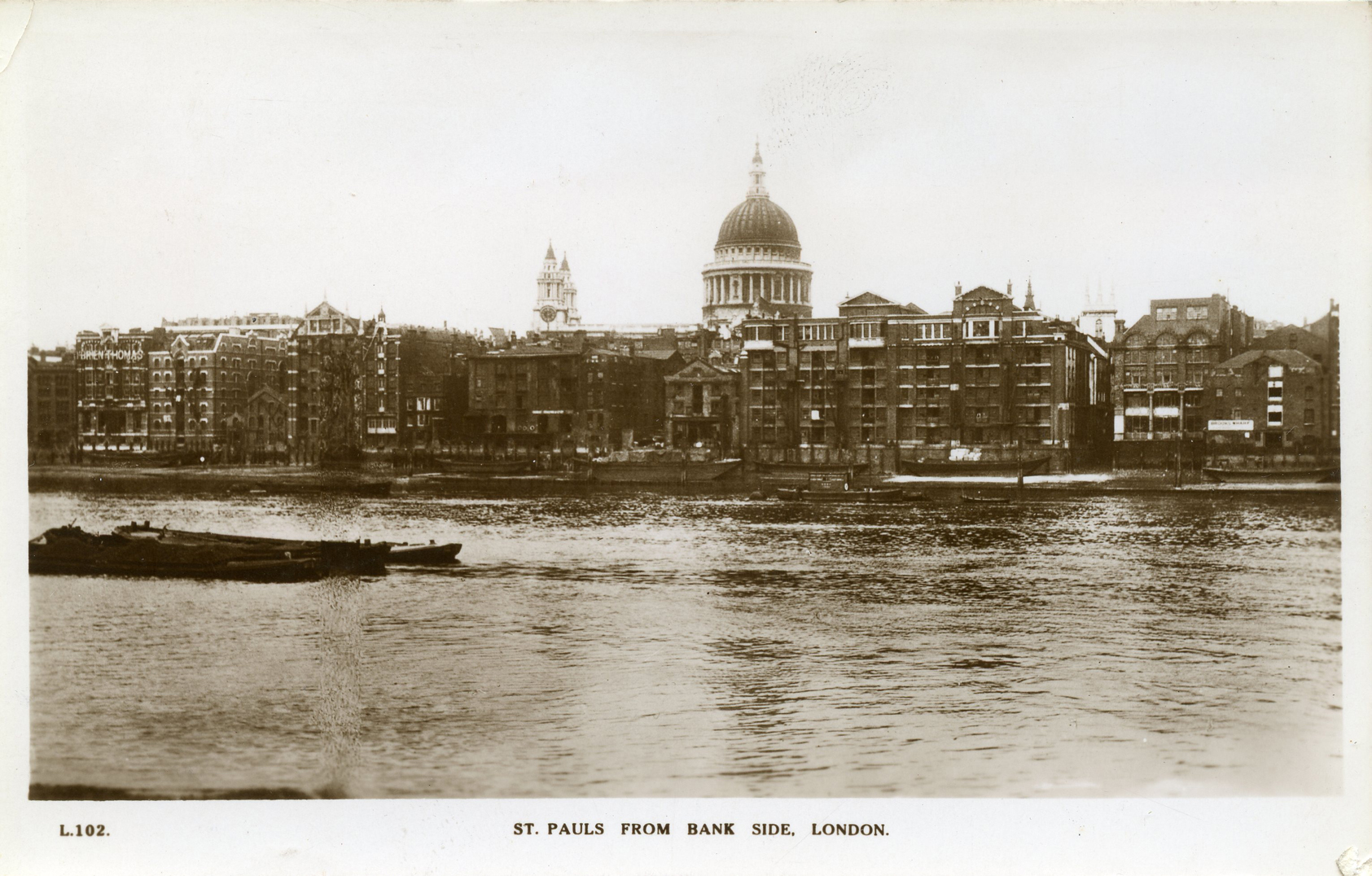
[Below: Polish Government in Exile ('Field Post') postcard with propaganda postmark. Front.]
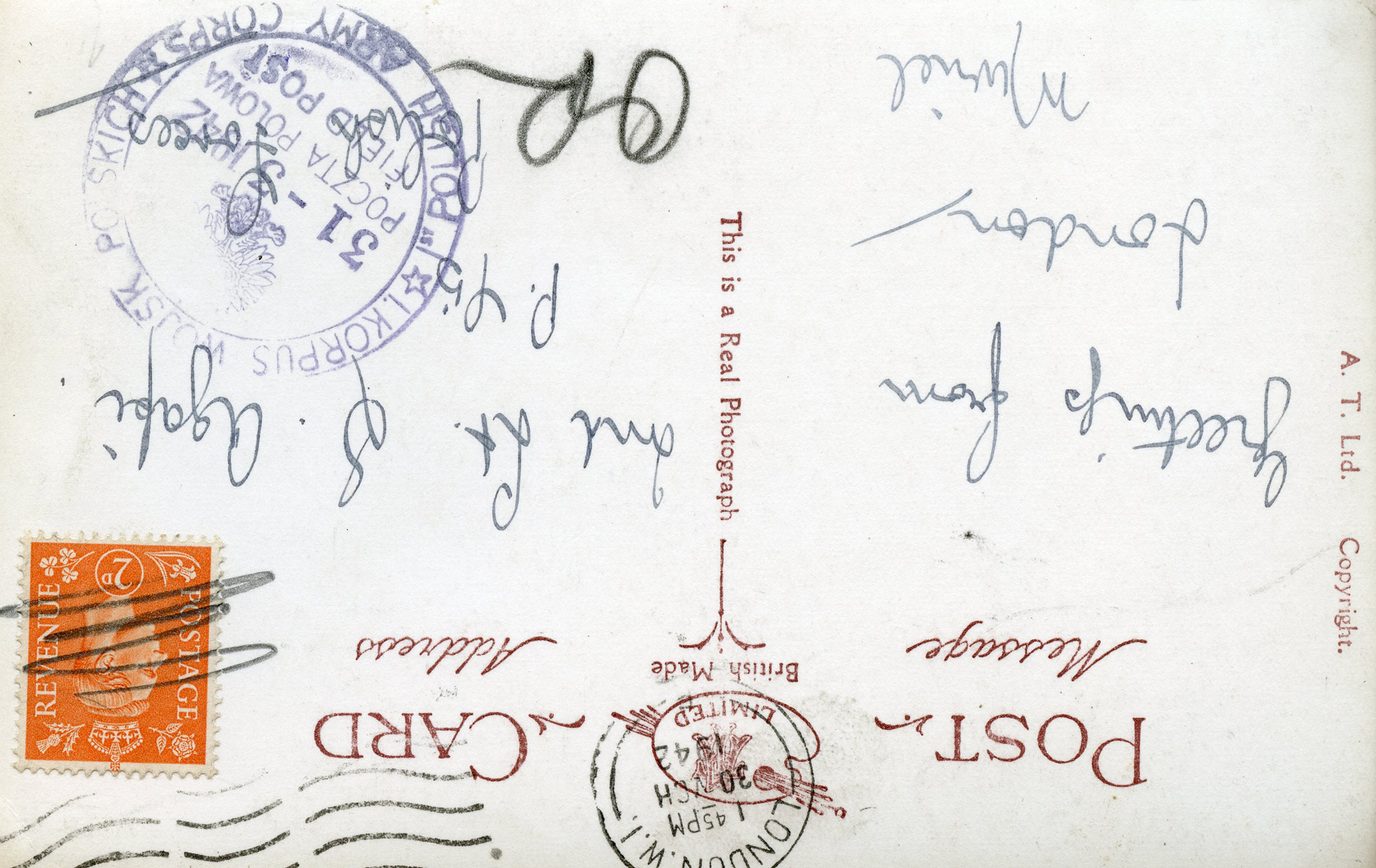
[Below: Polish Government in Exile ('Field Post') postcard, March 31, 1942. Reverse.]
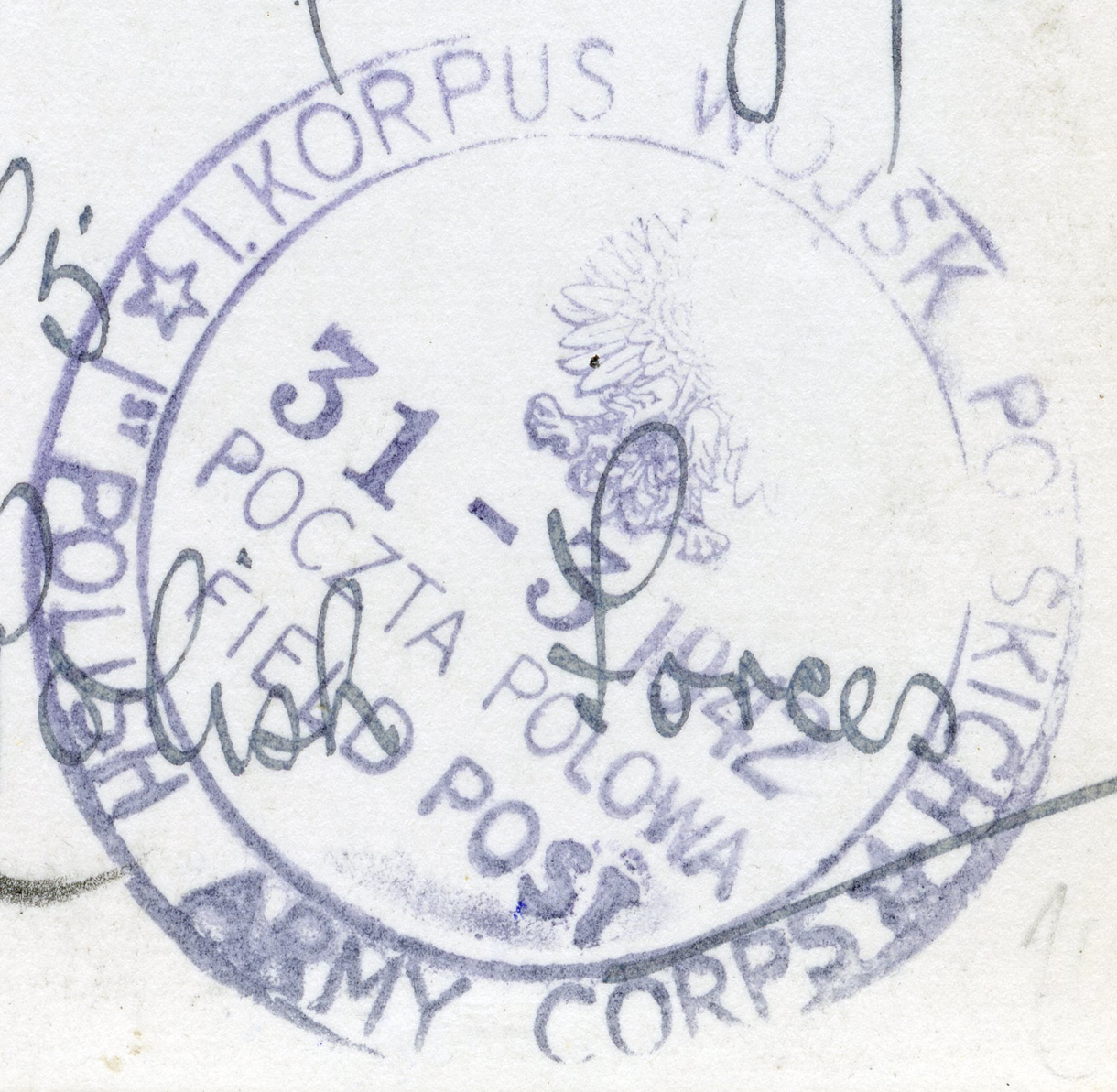
[Below: Polish Government in Exile ('Field Post') postcard, March 31, 1942. Close-up.]
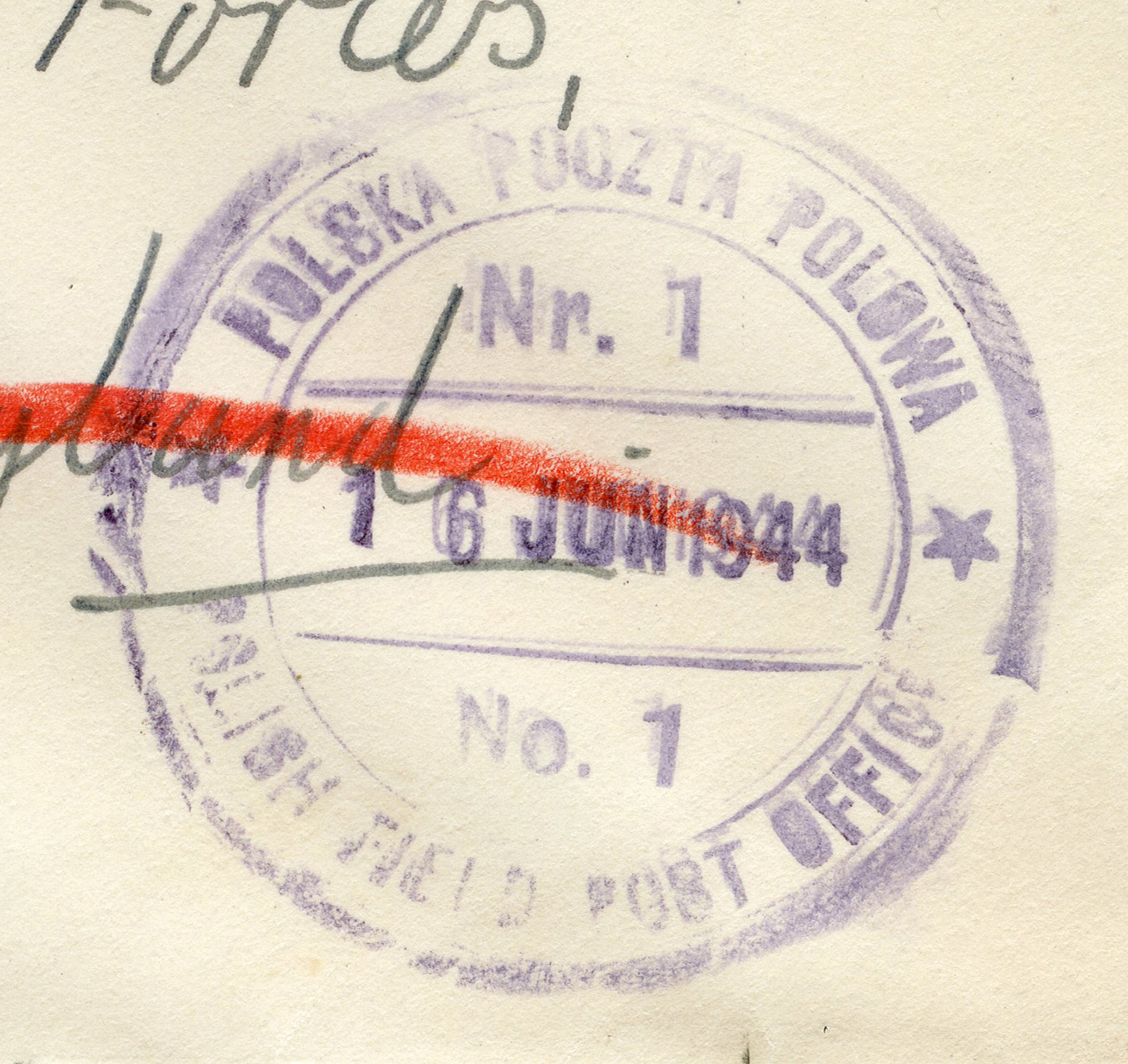
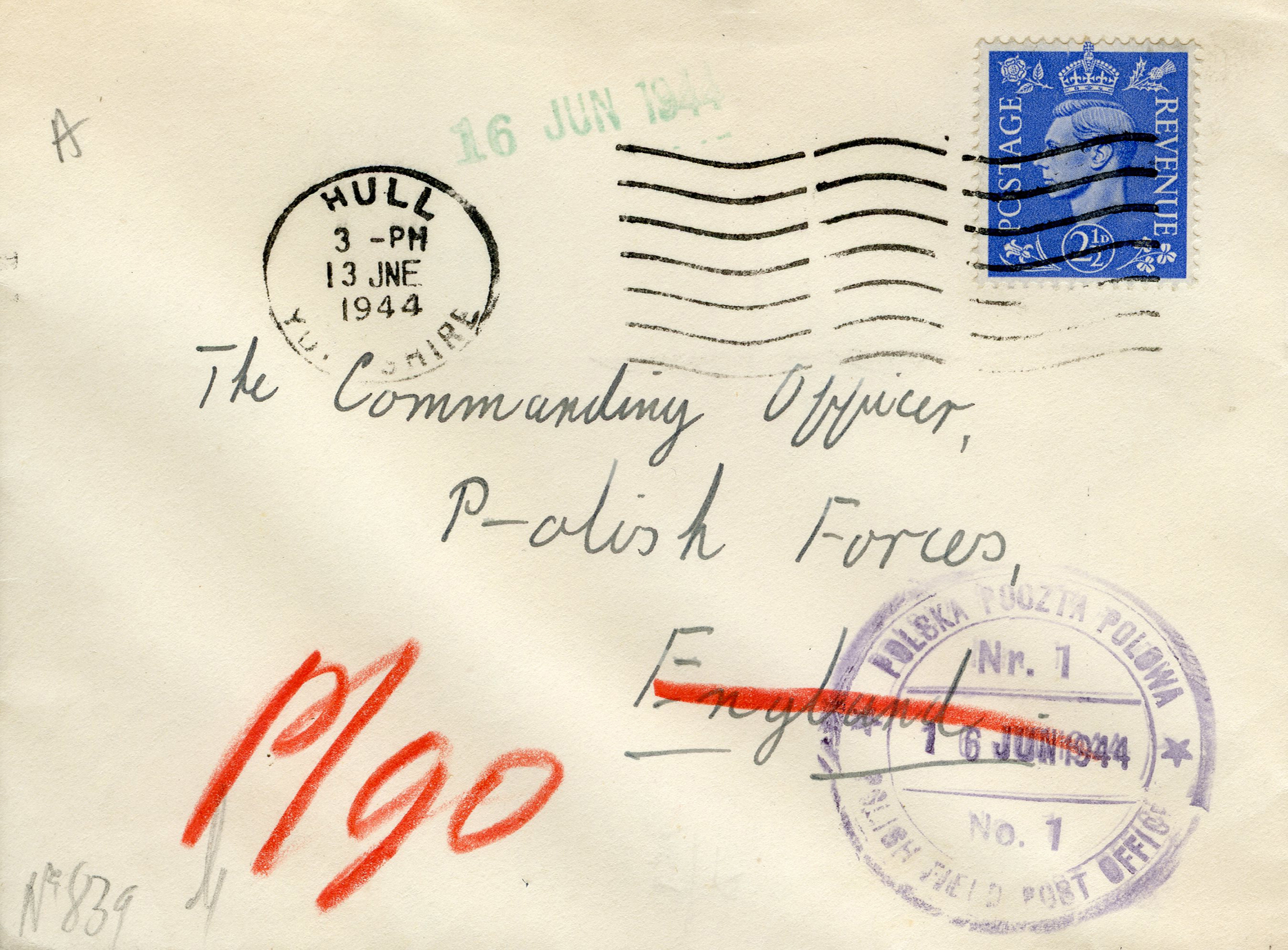
[Below: Polish Government in Exile ('Field Post') envelope, June 13/16, 1944. Note England is crossed out by the post office, for whatever reason. Front.]
[Below: Polish Government in Exile ('Field Post') envelope, June 13/16, 1944. Close-up.]